
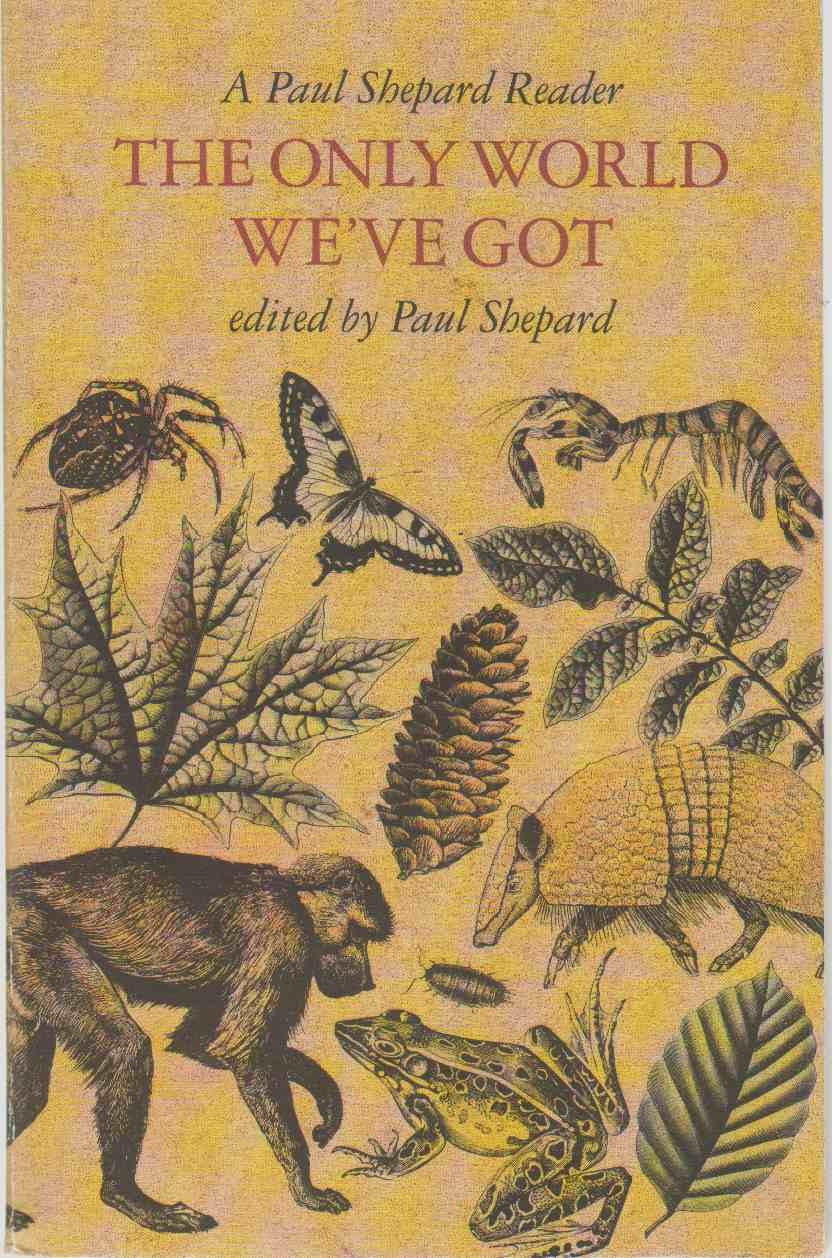
The Only World Weve Got: A Paul Shepard Reader,Used
$10.41
Title
The Only World Weve Got: A Paul Shepard Reader,Used
Free Standard Shipping Across USA
Quantity
Sold by Ergodebooks, an authorized reseller.
Returns accepted within 30 days | support@ergodebooks.com
Shipping Information
- Free Standard Shipping — United States only
- Processing Time: 3–5 business days
- Estimated Delivery: 6–10 business days after dispatch
- Double-boxed, fully insured & discreetly packaged
- Tracking number sent via email once dispatched
Returns & Refund
Returns accepted within 30 days of delivery.
Damaged or Defective Item
Free return shipping + replacement or full refund
Wrong Item Received
Free return shipping + replacement or full refund
Change of Mind
Return shipping at customer's expense · 25% restocking fee applies
All returns require a Return Authorization (RA) number before sending.
View Full Return & Refund Policy
Payment Option

Philosopher And Essayist Paul Shepard (19251996) Brought To The Environmental Literature Of The 1960S And
⚠️ WARNING (California Proposition 65):
This product may contain chemicals known to the State of California to cause cancer, birth defects, or other reproductive harm.
For more information, please visit www.P65Warnings.ca.gov.
- Q: How many pages does the book have? A: This book has three hundred fifty-two pages. It offers a comprehensive look at Paul Shepard's environmental philosophy and essays.
- Q: What are the dimensions of this book? A: The dimensions of the book are five point five one inches in length, one inch in width, and eight point seven five inches in height. This size makes it easy to handle and read.
- Q: What type of binding does this book have? A: This book is available in paperback binding. Paperback bindings are flexible and lightweight, making them convenient for reading.
- Q: What themes does Paul Shepard discuss in this book? A: Paul Shepard discusses themes related to human detachment from nature and the ecological consequences of modern living. His essays delve into the relationship between humans and the natural world.
- Q: Is this book suitable for all ages? A: Yes, this book is suitable for a general audience, including adults and older teens. It engages with philosophical and environmental themes that can foster discussion.
- Q: How do I engage with the ideas presented in the book? A: To engage with the ideas, simply read through the essays and reflect on Shepard's arguments. Consider taking notes or discussing them with others for deeper understanding.
- Q: Can I use this book for academic purposes? A: Yes, this book can be used for academic purposes, particularly in environmental studies or philosophy classes. It provides rich material for essays and discussions.
- Q: Is there a specific reading level for this book? A: This book is appropriate for readers with a high school reading level and above. The philosophical content may require some background knowledge in environmental literature.
- Q: How should I store this book to keep it in good condition? A: Store the book upright on a shelf, away from direct sunlight and moisture. This will help preserve the binding and prevent pages from yellowing.
- Q: Can this book be cleaned if it gets dirty? A: Yes, you can gently clean the cover with a soft, dry cloth. Avoid using water or cleaners that could damage the pages or binding.
- Q: What if I receive a damaged copy of the book? A: If you receive a damaged copy, you should contact the retailer for a return or replacement. Most sellers have a clear return policy for damaged items.
- Q: Is there a warranty for this book? A: No, books typically do not come with a warranty. However, you can check with the seller for their return policy regarding defects.
- Q: What is the author's background? A: Paul Shepard was a philosopher and essayist known for his contributions to environmental literature. He lived from nineteen twenty-five to nineteen ninety-six.
- Q: How does this book compare to other environmental literature? A: This book offers a unique perspective blending philosophy and environmental thought, distinguishing it from more traditional environmental texts. It emphasizes the philosophical implications of human-nature relationships.
- Q: Are there similar authors or books I should consider? A: Yes, authors like Barry Lopez and Terry Tempest Williams also explore themes of nature and humanity. Their works may complement the insights found in Shepard's essays.