
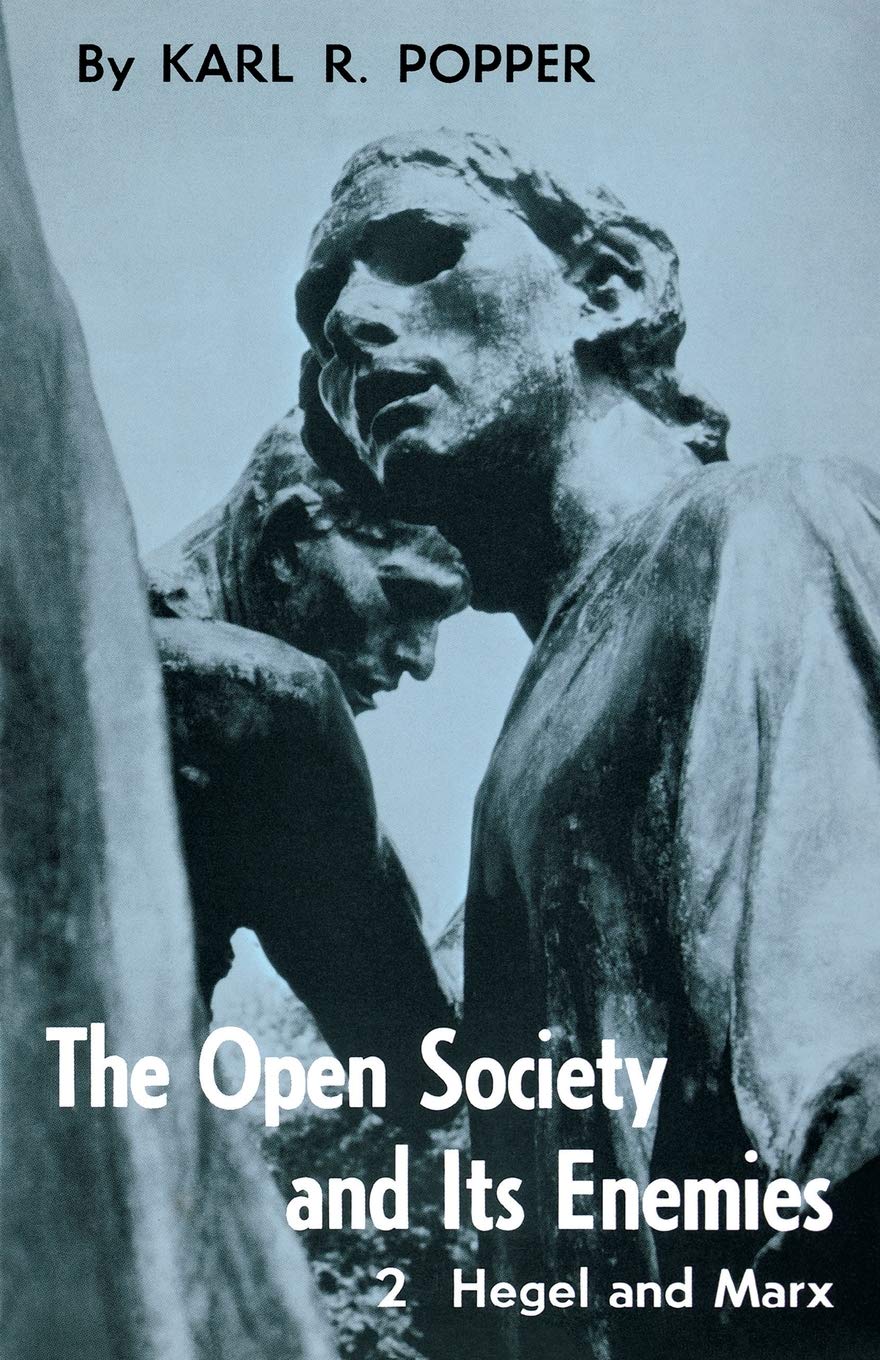
Title
The Open Society And Its Enemies, Vol. 2: Hegel, Marx, And The Aftermath
Processing time: 1-3 days
US Orders Ships in: 3-5 days
International Orders Ships in: 8-12 days
Return Policy: 15-days return on defective items
Payment Option

Popper Was Born In 1902 To A Viennese Family Of Jewish Origin. He Taught In Austria Until 1937, When He Emigrated To New Zealand In Anticipation Of The Nazi Annexation Of Austria The Following Year, And He Settled In England In 1949. Before The Annexation, Popper Had Written Mainly About The Philosophy Of Science, But From 1938 Until The End Of The Second World War He Focused His Energies On Political Philosophy, Seeking To Diagnose The Intellectual Origins Of German And Soviet Totalitarianism. The Open Society And Its Enemies Was The Result.In The Book, Popper Condemned Plato, Marx, And Hegel As Holists And HistoricistsA Holist, According To Popper, Believes That Individuals Are Formed Entirely By Their Social Groups; Historicists Believe That Social Groups Evolve According To Internal Principles That It Is The Intellectual'S Task To Uncover. Popper, By Contrast, Held That Social Affairs Are Unpredictable, And Argued Vehemently Against Social Engineering. He Also Sought To Shift The Focus Of Political Philosophy Away From Questions About Who Ought To Rule Toward Questions About How To Minimize The Damage Done By The Powerful. The Book Was An Immediate Sensation, Andthough It Has Long Been Criticized For Its Portrayals Of Plato, Marx, And Hegelit Has Remained A Landmark On The Left And Right Alike For Its Defense Of Freedom And The Spirit Of Critical Inquiry.
⚠️ WARNING (California Proposition 65):
This product may contain chemicals known to the State of California to cause cancer, birth defects, or other reproductive harm.
For more information, please visit www.P65Warnings.ca.gov.
- Q: What is the title of the book? A: The title of the book is 'The Open Society and Its Enemies, Vol. 2: Hegel, Marx, and the Aftermath'.
- Q: Who is the author of this book? A: The author is Karl R. Popper, a renowned philosopher known for his work in political philosophy and the philosophy of science.
- Q: How many pages does this book have? A: This book has four hundred thirty-two pages, offering an in-depth exploration of its themes.
- Q: What is the binding type of this book? A: The binding type is paperback, making it lightweight and easy to handle.
- Q: What are the dimensions of this book? A: The dimensions of this book are five point five one inches in length, zero point seven five inches in width, and eight point five inches in height.
- Q: What genre does this book belong to? A: This book belongs to the Ancient Greek & Roman genre, focusing on critical philosophical discussions.
- Q: Is this book suitable for beginners in philosophy? A: Yes, this book is suitable for beginners, as it presents complex ideas in an accessible manner.
- Q: What themes are explored in this book? A: The book explores themes of totalitarianism, freedom, and critical inquiry, critiquing historical philosophers.
- Q: What is the intended audience for this book? A: The intended audience includes students, scholars, and anyone interested in political philosophy and social theory.
- Q: How should I care for this paperback book? A: To care for this paperback book, keep it in a dry place and avoid exposing it to direct sunlight to prevent fading.
- Q: Can I return the book if I am not satisfied? A: Yes, you can return the book if you are not satisfied, subject to the retailer's return policy.
- Q: What if the book arrives damaged? A: If the book arrives damaged, contact the seller for a replacement or refund following their policy.
- Q: How do I store this book properly? A: Store this book vertically on a shelf to prevent bending and damage to the spine.
- Q: Is this book safe for young readers? A: While the book is suitable for older teens and adults, it contains complex themes that may not be appropriate for younger readers.
- Q: How does this book compare to other works by Popper? A: This book is significant in Popper's oeuvre, focusing specifically on political philosophy compared to his scientific works.