
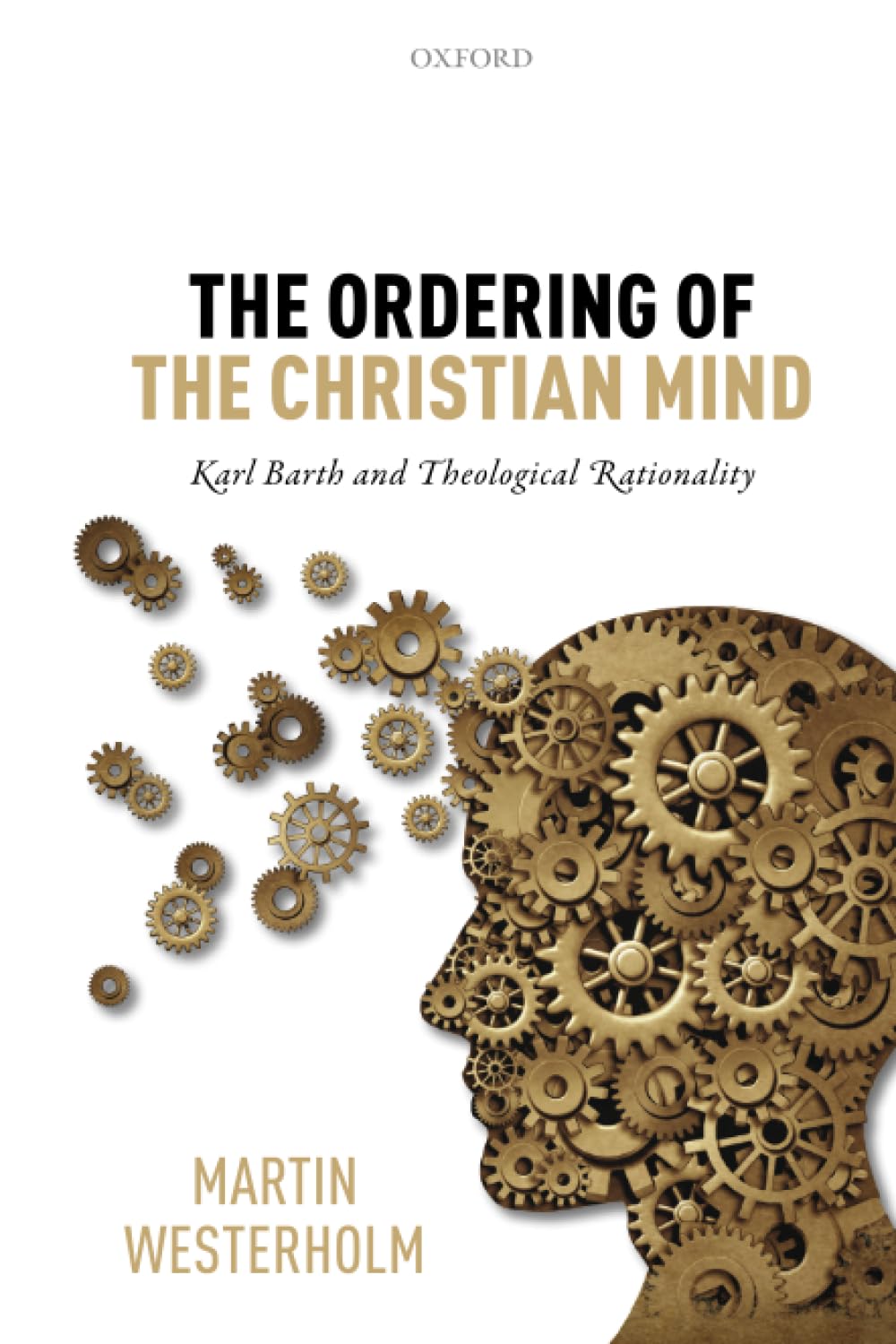
Title

The Ordering of the Christian Mind: Karl Barth and Theological Rationality,Used
Sold by Ergodebooks, an authorized reseller.
Returns accepted within 30 days | support@ergodebooks.com
Shipping Information
- Free Standard Shipping — United States only
- Processing Time: 3–5 business days
- Estimated Delivery: 6–10 business days after dispatch
- Double-boxed, fully insured & discreetly packaged
- Tracking number sent via email once dispatched
Returns & Refund
Returns accepted within 30 days of delivery.
Damaged or Defective Item
Free return shipping + replacement or full refund
Wrong Item Received
Free return shipping + replacement or full refund
Change of Mind
Return shipping at customer's expense · 25% restocking fee applies
Payment Option

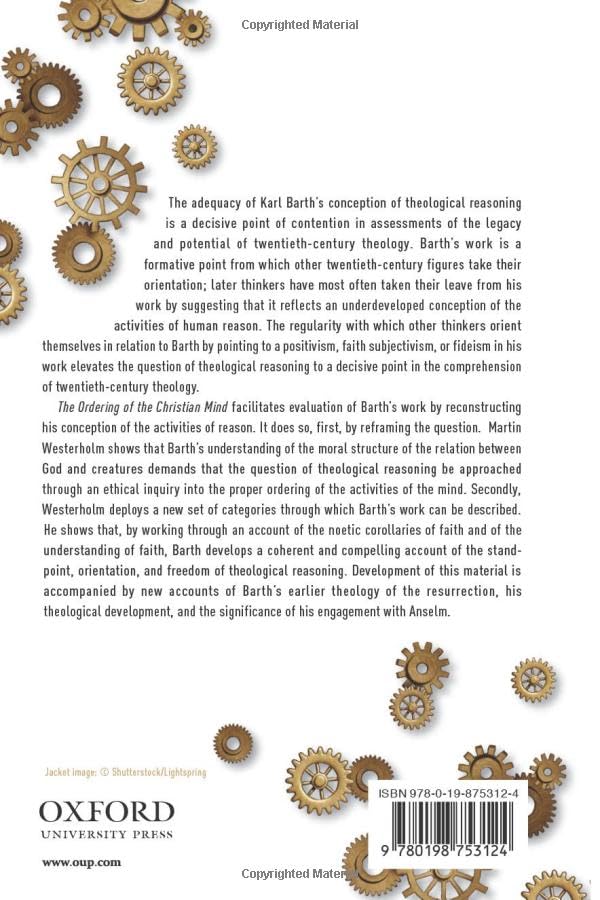
The adequacy of Karl Barth's conception of theological reasoning is a decisive point of contention in assessments of the legacy and potential of twentiethcentury theology. Barth's work is a formative point from which other twentiethcentury figures take their orientation; later thinkers have most often taken their leave from his work by suggesting that it reflects an underdeveloped conception of the activities of human reason. The regularity with which other thinkers orient themselves in relation to Barth by pointing to a positivism, faith subjectivism, or fideism in his work elevates the question of theological reasoning to a decisive point in the comprehension of twentiethcentury theology.The Ordering of the Christian Mind facilitates evaluation of Barth's work by reconstructing his conception of the activities of reason. It does so, first, by reframing the question. Martin Westerholm shows that Barth's understanding of the moral structure of the relation between God and creatures demands that the question of theological reasoning be approached through an ethical inquiry into the proper ordering of the activities of the mind. Secondly, Westerholm deploys a new set of categories through which Barth's work can be described. He shows that, by working through an account of the noetic corollaries of faith and of the understanding of faith, Barth develops a coherent and compelling account of the standpoint, orientation, and freedom of theological reasoning. Development of this material is accompanied by new accounts of Barth's earlier theology of the resurrection, his theological development, and the significance of his engagement with Anselm.
⚠️ WARNING (California Proposition 65):
This product may contain chemicals known to the State of California to cause cancer, birth defects, or other reproductive harm.
For more information, please visit www.P65Warnings.ca.gov.