
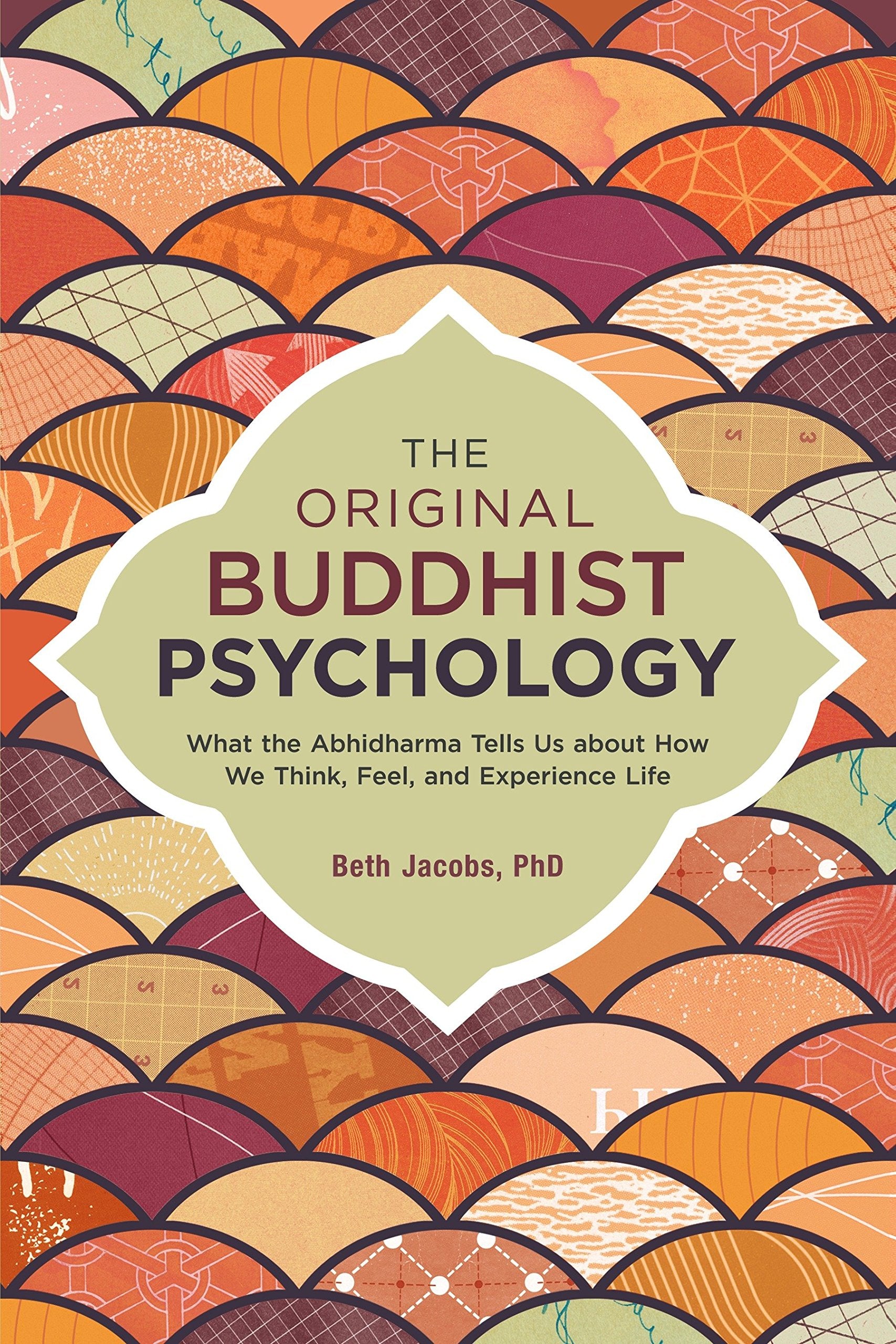
Title
The Original Buddhist Psychology: What the Abhidharma Tells Us About How We Think, Feel, and Experience Life,Used
Sold by Ergodebooks, an authorized reseller.
Returns accepted within 30 days | support@ergodebooks.com
Shipping Information
- Free Standard Shipping — United States only
- Processing Time: 3–5 business days
- Estimated Delivery: 6–10 business days after dispatch
- Double-boxed, fully insured & discreetly packaged
- Tracking number sent via email once dispatched
Returns & Refund
Returns accepted within 30 days of delivery.
Damaged or Defective Item
Free return shipping + replacement or full refund
Wrong Item Received
Free return shipping + replacement or full refund
Change of Mind
Return shipping at customer's expense · 25% restocking fee applies
Payment Option

Drawing on decades of experience, a psychotherapist and Zen practitioner makes the Abhidharmathe original psychological system of Buddhismaccessible to a general audience for the first time.The Abhidharma, one of the three major text collections of the original Buddhist canon, explores the critical juncture of Buddhist thought and the therapeutic aspects of the religion and meditation. It frames the psychological system of Buddhism, explaining the workings of reality and the nature of the human mind.Composed of detailed matrixes and lists that outline the interaction of consciousness and reality, The Abhidharma explores the essence of perception and experience, and the reasons and methods behind mindfulness and meditation.Because of its complexity, the Abhidharma has traditionally been reserved only for academic or monastic study; now, for the first time, clinical psychologist Beth Jacobs makes this dynamic, important text and its teachings available to general readers, using practical explanation, personal stories, and vivid examples to gently untangle the technical aspects of the Abhidharma.Jacobs work illuminates this classic of Buddhist thought, highlighting the ways it can broaden and deepen our experience of the human psyche and offering profound insights into spiritual practice.
⚠️ WARNING (California Proposition 65):
This product may contain chemicals known to the State of California to cause cancer, birth defects, or other reproductive harm.
For more information, please visit www.P65Warnings.ca.gov.
- Q: What is the main focus of 'The Original Buddhist Psychology'? A: The book focuses on the Abhidharma, the original psychological system of Buddhism, and its insights into how we think, feel, and experience life.
- Q: Who is the author of this book? A: The author is Beth Jacobs Ph.D., a clinical psychologist and Zen practitioner.
- Q: When was 'The Original Buddhist Psychology' published? A: The book was published on June 27, 2017.
- Q: What can readers expect to learn from this book? A: Readers can expect to learn about the workings of reality, the nature of the human mind, and practical applications of mindfulness and meditation based on Buddhist teachings.
- Q: Is this book suitable for beginners in Buddhist psychology? A: Yes, the book is accessible to a general audience and is designed to help those unfamiliar with the Abhidharma understand its concepts.
- Q: What is the format of the book? A: The book is available in paperback format.
- Q: How many pages does 'The Original Buddhist Psychology' contain? A: The book contains 208 pages.
- Q: Does this book include practical examples and personal stories? A: Yes, the author uses practical explanations, personal stories, and vivid examples to clarify the technical aspects of the Abhidharma.
- Q: What topics are covered in the Abhidharma as presented in this book? A: The Abhidharma covers topics such as perception, experience, consciousness, and the methods behind mindfulness and meditation.
- Q: Is 'The Original Buddhist Psychology' a scholarly text? A: While it draws on scholarly insights, the book is written for general readers and is not intended solely for academic or monastic study.