
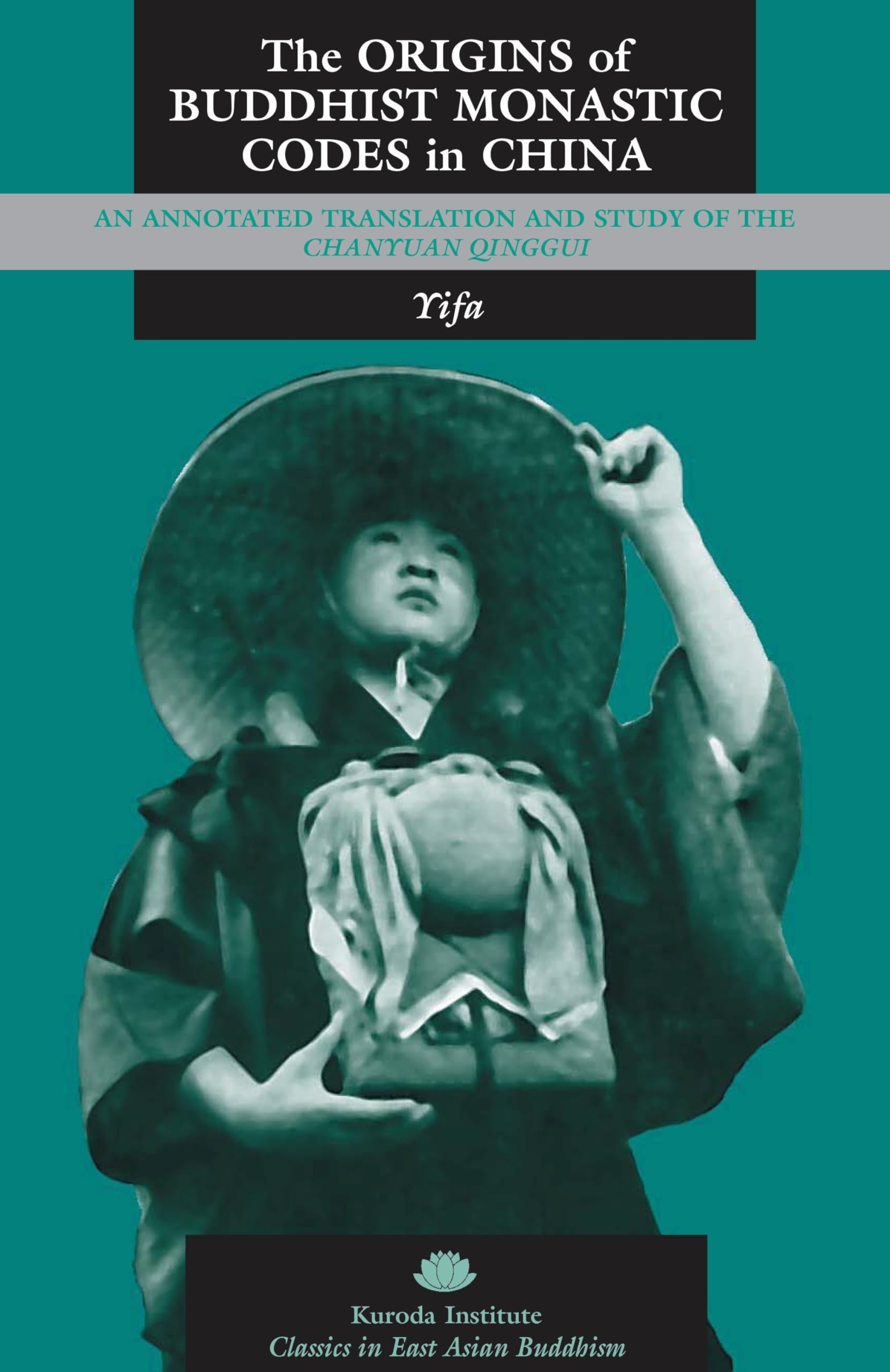
Title
The Origins Of Buddhist Monastic Codes In China: An Annotated Translation And Study Of The Chanyuan Qinggui (Kuroda Classics In
Sold by Ergodebooks, an authorized reseller.
Returns accepted within 30 days | support@ergodebooks.com
Shipping Information
- Free Standard Shipping — United States only
- Processing Time: 3–5 business days
- Estimated Delivery: 6–10 business days after dispatch
- Double-boxed, fully insured & discreetly packaged
- Tracking number sent via email once dispatched
Returns & Refund
Returns accepted within 30 days of delivery.
Damaged or Defective Item
Free return shipping + replacement or full refund
Wrong Item Received
Free return shipping + replacement or full refund
Change of Mind
Return shipping at customer's expense · 25% restocking fee applies
Payment Option

The Origins Of Buddhist Monastic Codes In China Contains The First Complete Translation Of Chinas Earliest And Most Influential Monastic Code. The Twelfthcentury Text Chanyuan Qinggui (Rules Of Purity For The Chan Monastery) Provides A Wealth Of Detail On All Aspects Of Life In Public Buddhist Monasteries During The Sung (9601279).Part One Consists Of Yifas Overview Of The Development Of Monastic Regulations In Chinese Buddhist History, A Biography Of The Texts Author, And An Analysis Of The Social And Cultural Context Of Premodern Chinese Buddhist Monasticism. Of Particular Importance Are The Interconnections Made Between Chan Traditions And The Dual Heritages Of Chinese Culture And Indian Buddhist Vinaya. Although Much Of The Texts Source Material Is Traced Directly To The Vinayas And The Works Of The Vinaya Advocate Daoan (312385) And The L Master Daoxuan (596667), The Chanyuan Qinggui Includes Elements Foreign To The Original Vinaya Textselements Incorporated From Chinese Governmental Policies And Traditional Chinese Etiquette. Following The Translators Overview Is A Complete Translation Of The Text, Extensively Annotated.
⚠️ WARNING (California Proposition 65):
This product may contain chemicals known to the State of California to cause cancer, birth defects, or other reproductive harm.
For more information, please visit www.P65Warnings.ca.gov.
- Q: What is the page count of this book? A: This book contains three hundred eighty-four pages. It provides an extensive look into Buddhist monastic codes.
- Q: What is the binding type of this book? A: The book is available in paperback binding. This makes it lightweight and suitable for easy handling.
- Q: What are the dimensions of this book? A: The dimensions of the book are six inches in length, one inch in width, and eight point seventy-five inches in height. These measurements make it a portable size for reading.
- Q: Who is the author of this book? A: The author is Professor Yifa. She provides insightful annotations and translations throughout the book.
- Q: What is the main focus of this book? A: The book focuses on the origins and influence of Buddhist monastic codes in China. It covers historical context and cultural interconnections.
- Q: Is this book suitable for beginners in Buddhist studies? A: Yes, this book is suitable for beginners. Its annotated translation and historical context make it accessible and informative.
- Q: Can this book be used in academic research? A: Yes, the book is a valuable resource for academic research. It includes detailed analysis and annotations relevant to Buddhist monasticism.
- Q: How do I approach reading this book? A: To read this book, start with the overview provided by the author. Familiarize yourself with the historical context before diving into the translation.
- Q: Is there a glossary or index in this book? A: Yes, the book includes an index for easy reference. This helps locate specific topics related to Buddhist monastic codes.
- Q: How should I store this book? A: Store this book in a cool, dry place to maintain its quality. Avoid exposure to direct sunlight to prevent fading.
- Q: Can I lend this book to others? A: Yes, you can lend this book to others. Just ensure they handle it with care to preserve its condition.
- Q: How do I clean this book if it gets dirty? A: To clean the book, gently wipe the cover with a soft, dry cloth. Avoid using water or cleaning solutions.
- Q: What if the book arrives damaged? A: If the book arrives damaged, contact the seller for return options. Most sellers have policies for damaged goods.
- Q: Is there a warranty on this book? A: No, typically books do not come with a warranty. However, check with the seller for their specific return policy.
- Q: What should I do if I have questions about the book's content? A: If you have questions about the book's content, consider reaching out to academic forums or contacting the publisher for more information.