If you have any questions, you are always welcome to contact us. We'll get back to you as soon as possible, withing 24 hours on weekdays.
Customer service
All questions about your order, return and delivery must be sent to our customer service team by e-mail at yourstore@yourdomain.com
Sale & Press
If you are interested in selling our products, need more information about our brand or wish to make a collaboration, please contact us at press@yourdomain.com
Help
If you have any questions, you are always welcome to contact us. We'll get back to you as soon as possible, withing 24 hours on weekdays.
Customer service
All questions about your order, return and delivery must be sent to our customer service team by e-mail at yourstore@yourdomain.com
Sale & Press
If you are interested in selling our products, need more information about our brand or wish to make a collaboration, please contact us at press@yourdomain.com
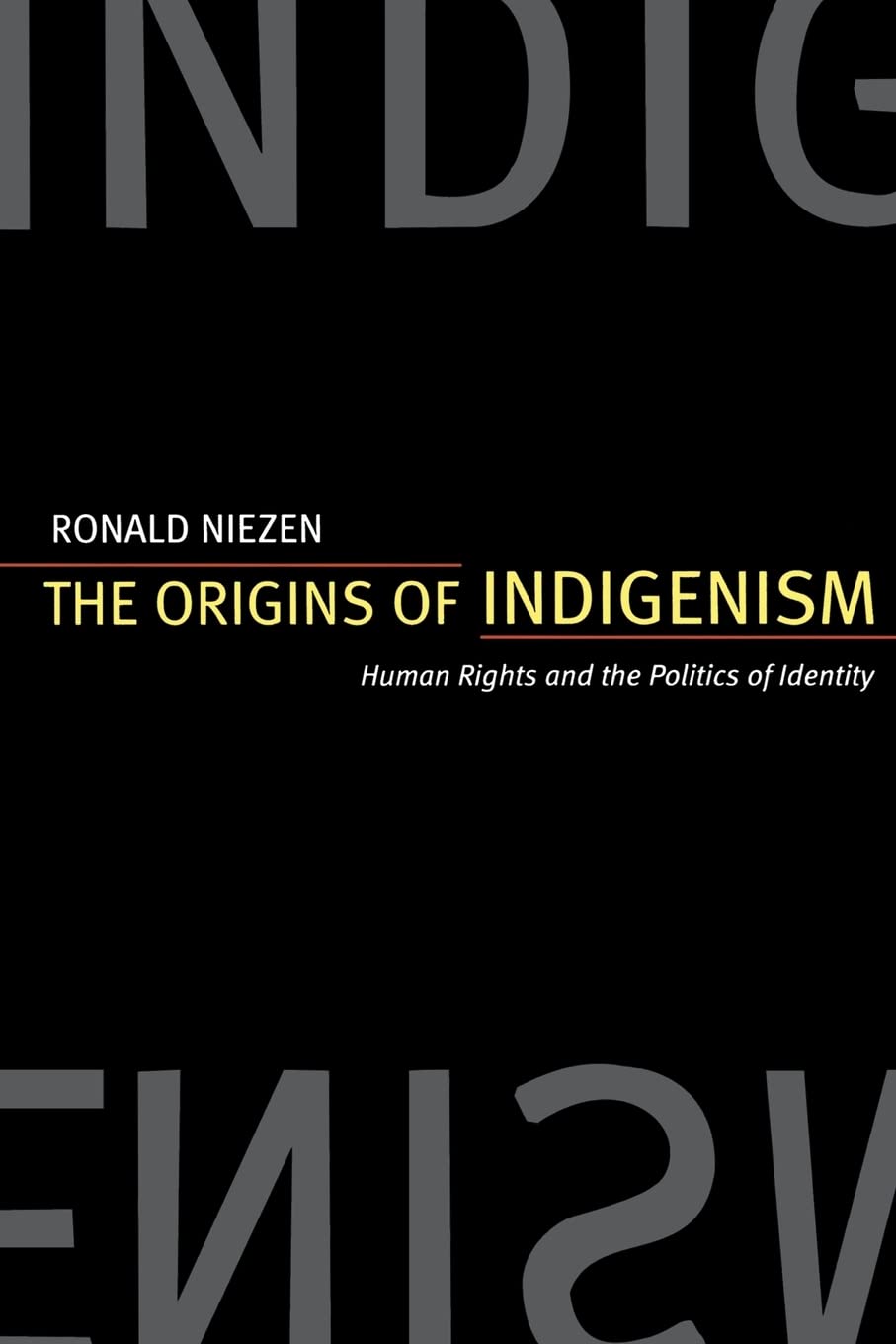
International indigenism' may sound like a contradiction in terms, but it is indeed a global phenomenon and a growing form of activism. In his fluent and accessible narrative, Ronald Niezen examines the ways the relatively recent emergence of an internationally recognized identity'indigenous peoples'intersects with another relatively recent international movementthe development of universal human rights laws and principles. This movement makes use of human rights instruments and the international organizations of states to resist the political, cultural, and economic incursions of individual states.The concept 'indigenous peoples' gained currency in the social reform efforts of the International Labor Organization in the 1950s, was taken up by indigenous nongovernmental organizations, and is now fully integrated into human rights initiatives and international organizations. Those who today call themselves indigenous peoples share significant similarities in their colonial and postcolonial experiences, such as loss of land and subsistence, abrogation of treaties, and the imposition of psychologically and socially destructive assimilation policies. Niezen shows how, from a new position of legitimacy and influence, they are striving for greater recognition of collective rights, in particular their rights to selfdetermination in international law. These efforts are influencing local politics in turn and encouraging more ambitious goals of autonomy in indigenous communities worldwide.
⚠️ WARNING (California Proposition 65):
This product may contain chemicals known to the State of California to cause cancer,
birth defects, or other reproductive harm.
For MAP (Minimum Advertised Price) violations and Intellectual Property (IP) or Trademark concerns, please contact:
support@ergodebooks.com
⚠️ California Proposition 65 Warning: Some products sold on this website may expose you to chemicals known to the State of California to cause cancer, birth defects, or other reproductive harm. For more information, visit www.P65Warnings.ca.gov.