
Title
The Other Face Of God: 'I Am That I Am' Reconsidered (Hebrew Bible Monographs),Used
Sold by Ergodebooks, an authorized reseller.
Returns accepted within 30 days | support@ergodebooks.com
Shipping Information
- Free Standard Shipping — United States only
- Processing Time: 3–5 business days
- Estimated Delivery: 6–10 business days after dispatch
- Double-boxed, fully insured & discreetly packaged
- Tracking number sent via email once dispatched
Returns & Refund
Returns accepted within 30 days of delivery.
Damaged or Defective Item
Free return shipping + replacement or full refund
Wrong Item Received
Free return shipping + replacement or full refund
Change of Mind
Return shipping at customer's expense · 25% restocking fee applies
Payment Option

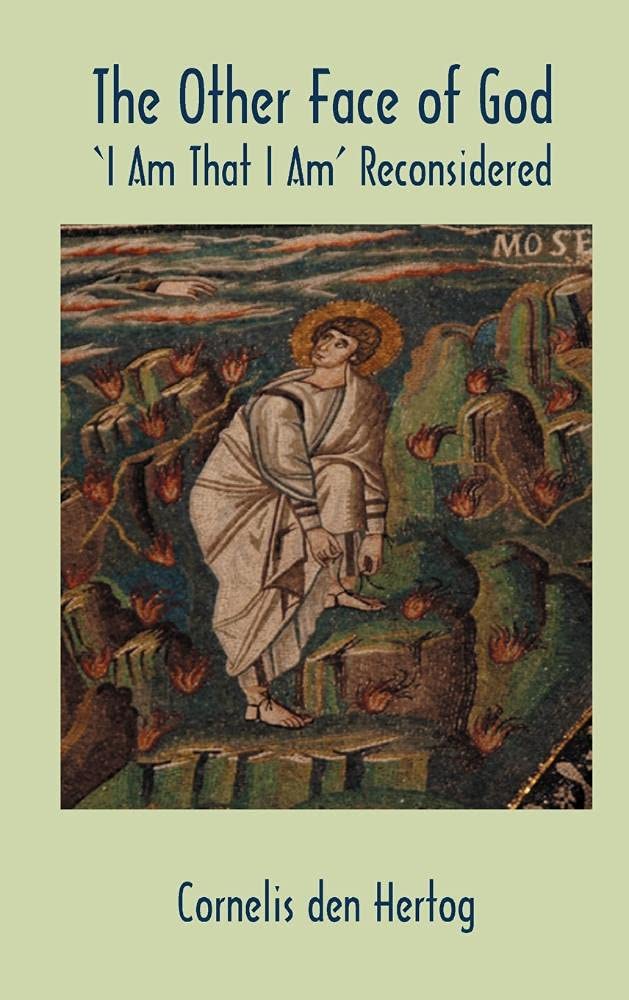
'I am that I am' (Exodus 3.14) has been an exegetical puzzle to many generations of biblical scholars as well as theologians: is it about the present or the future, is it about God's presence or his hiddenness? Den Hertog argues that such exegetical questions have been framed too narrowly, and that this deeply suggestive statement about God needs to be set in a broader context. First, the statement must be understood within the narrative of Moses' call as an answer to his problem: how can his being launched on a radically new, prophetic mission be reconciled with the features of the God of the patriarchs? This book substantiates the view that the meaning of the statement is deliberately indefinite: 'I may be who I may be'. In its context, it points to Yhwh's other face, the possibility of his manifesting himself differently from the way he is thought to be. Secondly, the afterhistory of this text should also be considered, since it has shaped our understanding in one way or another. This book pays particular attention to the renderings by the ancient and early modern versions (including the King James Version). The point of departure is the Septuagint rendering 'I am the one being', which has traditionally been associated with the Greek philosophical concept of absolute Being. This rendering, however, appears to have originally signified God's active presence: 'I am the one who shows himself to be there'. Thirdly, this fundamental theological statement invites further a psychoanalytic interpretation. Den Hertog adopts a Lacanian perspective, according to which 'I am that I am' represents an irruption of an 'I' from nowhere, from beyond usual thought and expectation. In its context this means that in a situation of crisis a new orientation is born, one that undermines the pharaonic powers.
⚠️ WARNING (California Proposition 65):
This product may contain chemicals known to the State of California to cause cancer, birth defects, or other reproductive harm.
For more information, please visit www.P65Warnings.ca.gov.