
Title

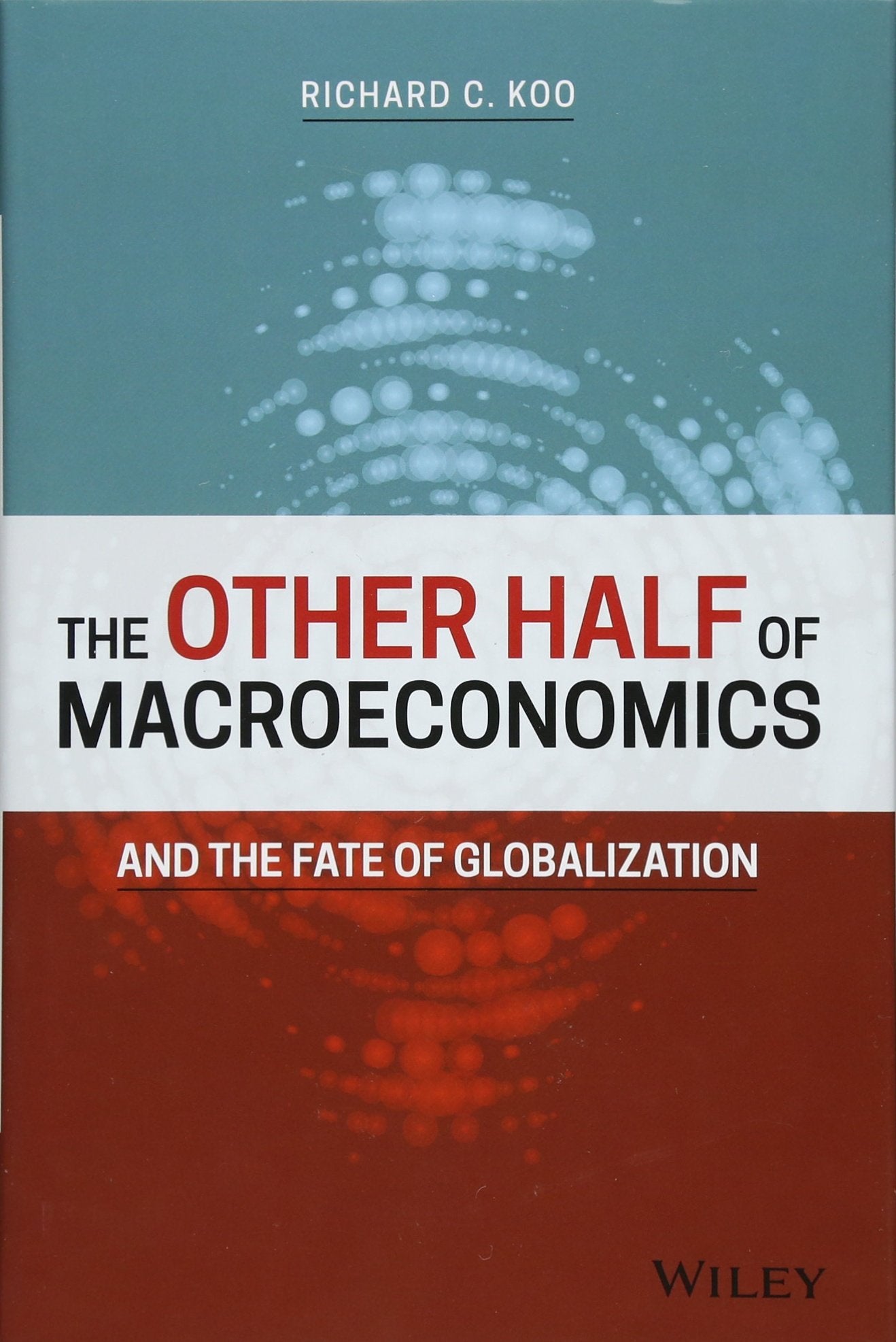
The Other Half of Macroeconomics and the Fate of Globalization,Used
Sold by Ergodebooks, an authorized reseller.
Returns accepted within 30 days | support@ergodebooks.com
Shipping Information
- Free Standard Shipping — United States only
- Processing Time: 3–5 business days
- Estimated Delivery: 6–10 business days after dispatch
- Double-boxed, fully insured & discreetly packaged
- Tracking number sent via email once dispatched
Returns & Refund
Returns accepted within 30 days of delivery.
Damaged or Defective Item
Free return shipping + replacement or full refund
Wrong Item Received
Free return shipping + replacement or full refund
Change of Mind
Return shipping at customer's expense · 25% restocking fee applies
Payment Option

Get a new perspective from the other half of macroeconomicsThe failure of the vast majority of economists in government, academia and the private sector to predict either the post2008 Great Recession or the degree of its severity has raised serious credibility issues for the profession. The repeated failures of central banks and other policymakers in all advanced countries to meet their inflation or growth targets in spite of astronomical monetary easing, have left the public rightfully suspicious of the establishment and its economists.The Other Half of Macroeconomics and the Fate of Globalization elucidates what was missing in economics all along and what changes are needed to make the profession relevant to the economic challenges of today. Once the other half of macroeconomics is understood both as a postbubble phenomenon and as a phase of postindustrial economies, it should be possible for policy makers to devise appropriate measures to overcome difficulties advanced countries are facing today such as stagnation and income inequality. Shows how its possible to devise appropriate policy response to slow wage and productivity growth in these economies Demonstrates that the effectiveness of monetary and fiscal policy changes as an economy undergoes different stages of development Argues that tax rules, regulations and even educational system must be revised to match the need of pursued (by emerging nations) countries Explains the 200year process of economic development and where that process is taking all of usInside, Richard C. Koo offers a completely new way of looking at the economic predicament of advanced countries today.
⚠️ WARNING (California Proposition 65):
This product may contain chemicals known to the State of California to cause cancer, birth defects, or other reproductive harm.
For more information, please visit www.P65Warnings.ca.gov.