
Title
The Other Iraq: Pluralism And Culture In Hashemite Iraq,New
Sold by Ergodebooks, an authorized reseller.
Returns accepted within 30 days | support@ergodebooks.com
Shipping Information
- Free Standard Shipping — United States only
- Processing Time: 3–5 business days
- Estimated Delivery: 6–10 business days after dispatch
- Double-boxed, fully insured & discreetly packaged
- Tracking number sent via email once dispatched
Returns & Refund
Returns accepted within 30 days of delivery.
Damaged or Defective Item
Free return shipping + replacement or full refund
Wrong Item Received
Free return shipping + replacement or full refund
Change of Mind
Return shipping at customer's expense · 25% restocking fee applies
Payment Option

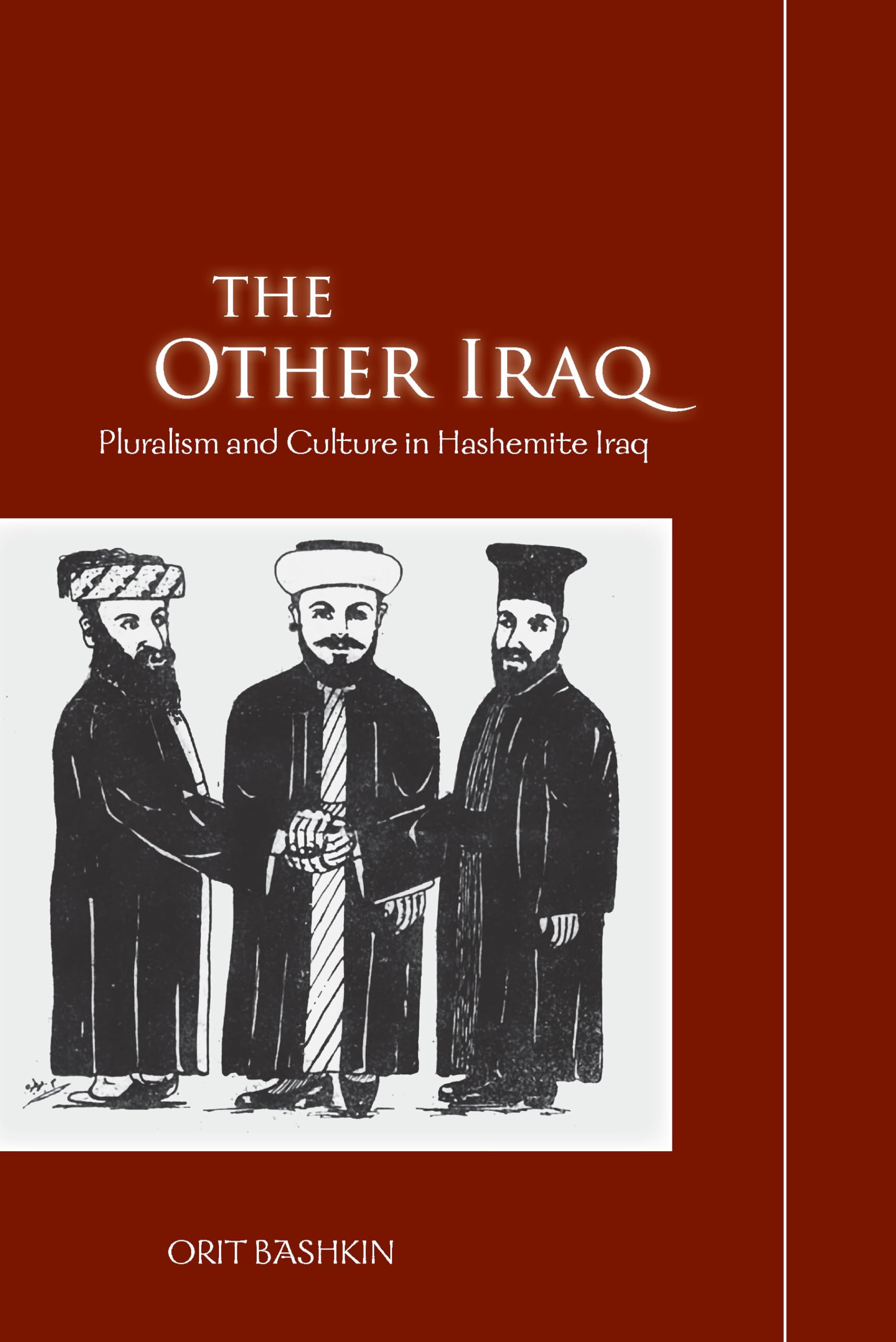
The Other Iraq challenges the notion that Iraq has always been a totalitarian, artificial state, torn by sectarian violence. Chronicling the rise of the Iraqi public sphere from 1921 to 1958, this enlightening work reveals that the Iraqi intellectual field was always more democratic and pluralistic than historians have tended to believe. Orit Bashkin demonstrates how Sunni, Shi'i, and Kurdish intellectuals effectively created hyphenated Iraqi identities, connoting pride in their individual heritages while simultaneously appropriating and integrating ideas and narratives of Arab and Iraqi nationalism. Illustrating three developmental stages of Iraqi intellectual history, she follows Iraqi intellectuals' changing roles, from agents of democracy, to specialists who analyze the population, to deeply entrenched members of society committed to change. Based on previously unexplored material, this eyeopening work has significant contemporary implications.
⚠️ WARNING (California Proposition 65):
This product may contain chemicals known to the State of California to cause cancer, birth defects, or other reproductive harm.
For more information, please visit www.P65Warnings.ca.gov.
- Q: What is the page count of 'The Other Iraq'? A: This book has three hundred seventy-six pages. It offers a comprehensive exploration of Iraqi intellectual history.
- Q: What is the binding type of 'The Other Iraq'? A: This book is available in paperback binding. This makes it lightweight and portable for readers.
- Q: Who is the author of 'The Other Iraq'? A: The author of this book is Orit Bashkin. She provides insightful analysis on pluralism and culture in Iraq.
- Q: What is the genre of 'The Other Iraq'? A: This book falls under the category of historical and cultural studies. It challenges common perceptions of Iraq's past.
- Q: What are the dimensions of 'The Other Iraq'? A: The book measures six inches in length, zero point ninety-four inches in width, and nine point zero two inches in height. These dimensions make it easy to handle.
- Q: Is 'The Other Iraq' suitable for academic use? A: Yes, this book is suitable for academic use. It is based on previously unexplored material and offers significant insights.
- Q: How should I care for 'The Other Iraq'? A: To care for this book, keep it in a dry, cool place. Avoid direct sunlight to prevent fading of the cover and pages.
- Q: Can 'The Other Iraq' be donated or shared? A: Yes, you can donate or share this book. It is in good condition and can benefit others interested in Iraqi culture.
- Q: Is 'The Other Iraq' appropriate for high school students? A: Yes, this book is appropriate for high school students. It provides a nuanced understanding of Iraq's history.
- Q: What themes are explored in 'The Other Iraq'? A: This book explores themes of pluralism, cultural identity, and democracy in Iraq. It highlights the contributions of various intellectuals.
- Q: What if 'The Other Iraq' arrives damaged? A: If the book arrives damaged, you should contact the seller for a return or replacement. Ensure you keep all packaging materials.
- Q: How can I find more books like 'The Other Iraq'? A: You can find similar books by exploring titles in the historical and cultural studies category. Look for works by Orit Bashkin or on Iraqi history.
- Q: Where is 'The Other Iraq' published? A: This book is published by Stanford University Press. It is known for its academic contributions.
- Q: What are the notable features of 'The Other Iraq'? A: The notable feature is that it is a used book in good condition. It offers valuable insights into Iraqi intellectual history.
- Q: Is there a digital version of 'The Other Iraq'? A: No, there is no mention of a digital version of this book. It is primarily available in paperback format.
- Q: How does 'The Other Iraq' compare to other history books? A: This book stands out by challenging the totalitarian narrative of Iraq. It offers a more pluralistic view of its history than many other works.