
Title
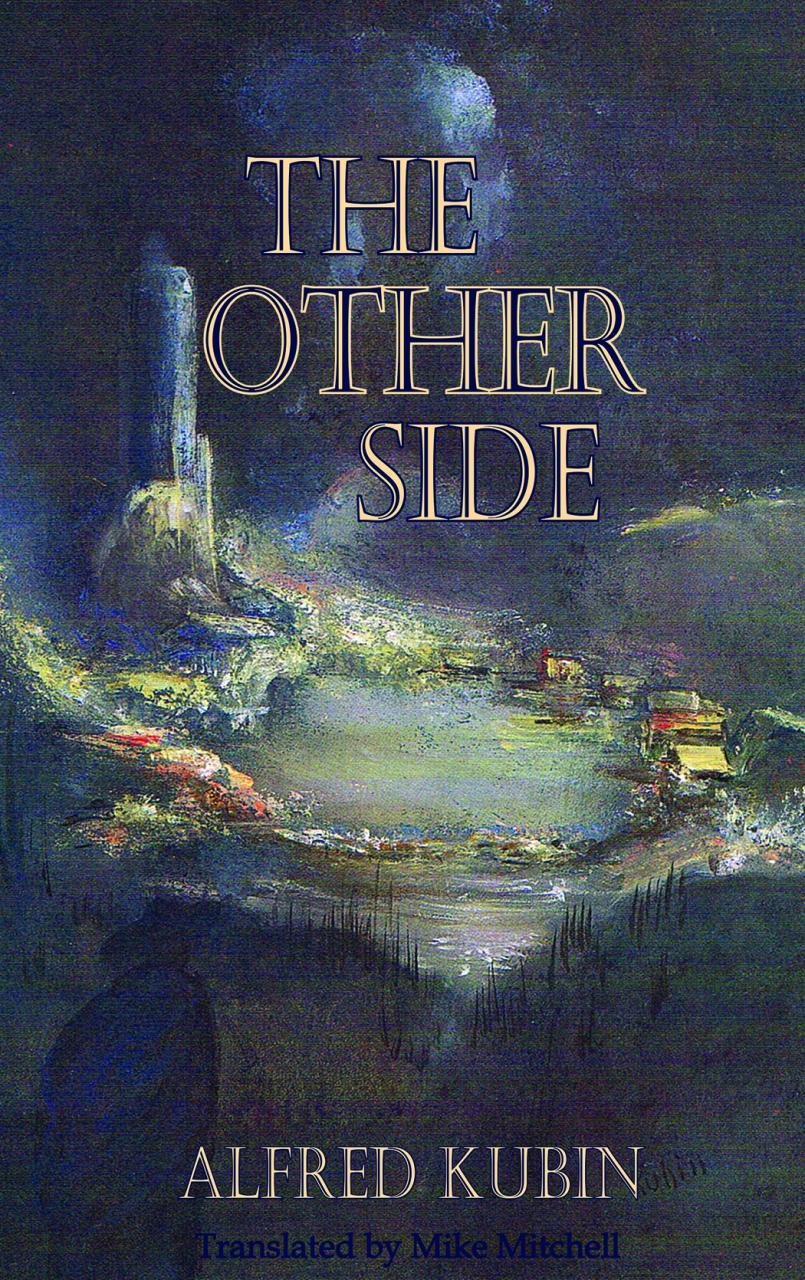
The Other Side (Dedalus European Classics),New
Sold by Ergodebooks, an authorized reseller.
Returns accepted within 30 days | support@ergodebooks.com
Shipping Information
- Free Standard Shipping — United States only
- Processing Time: 3–5 business days
- Estimated Delivery: 6–10 business days after dispatch
- Double-boxed, fully insured & discreetly packaged
- Tracking number sent via email once dispatched
Returns & Refund
Returns accepted within 30 days of delivery.
Damaged or Defective Item
Free return shipping + replacement or full refund
Wrong Item Received
Free return shipping + replacement or full refund
Change of Mind
Return shipping at customer's expense · 25% restocking fee applies
Payment Option

The Other Side tells of a dream kingdom which becomes a nightmare, of a journey to Pearl, a mysterious city created deep in Asia, which is also a journey to the depths of the subconcious, or as Kubin himself called it, 'a sort of Baedeker for those lands which are half known to us'.Written in 1908, and more or less half way between Meyrink and Kafka, it was greeted with wild enthusiasm by the artists and writers of the Expressionist generation.' Expressionist illustrator Kubin wrote this fascinating curio, his only literary work in 1908. A town named Pearl, assembled and presided over by the aptly named Patera, is the setting for his hallucinatory vision of a society founded on instinct over reason. Culminating apocalyptically plagues of insects, mountains of corpses and orgies in the street it is worth reading for its dizzying surrealism alone. Though ostensibly a gothic macabre fantasy, it is tempting to read The Other Side as a satire on the reactionary, idealist utopianism evident in German thought in the early twentieth century, highly prescient in its gloom, given later developments. The language often suggests Nietsche. The inevitable collapse of Patera's creation is lent added horror by hindsight. Kubin's depiction of absurd bureaucracy is strongly reminiscent of Kafka's The Trial, and his flawed utopia, situated next to a settlement of supposed savages, brings to mind Huxley's Brave New World; it precedes both novels, and this superb new translation could demonstrate its influence on subsequent modern literature.'Kieron Pim in Time OutIt will appeal to fans of Mervyn Peake and readers who like the darkly decadent, the fantastic and the grotesque in their reading.
⚠️ WARNING (California Proposition 65):
This product may contain chemicals known to the State of California to cause cancer, birth defects, or other reproductive harm.
For more information, please visit www.P65Warnings.ca.gov.
- Q: What is the main theme of 'The Other Side' by Alfred Kubin? A: 'The Other Side' explores the transformation of a dream kingdom into a nightmare, delving into themes of instinct versus reason and the subconscious.
- Q: Who is the author of 'The Other Side'? A: The author of 'The Other Side' is Alfred Kubin, an Expressionist illustrator known for his unique literary vision.
- Q: When was 'The Other Side' published? A: 'The Other Side' was published on November 1, 2014, as a new translation of Kubin's original work from 1908.
- Q: What genre does 'The Other Side' belong to? A: 'The Other Side' falls under the genre of Classics, particularly within the gothic macabre and surrealism literary styles.
- Q: How many pages are in 'The Other Side'? A: 'The Other Side' consists of 249 pages.
- Q: What is the binding type of this book? A: This edition of 'The Other Side' is available in paperback binding.
- Q: Is 'The Other Side' suitable for fans of certain authors? A: 'The Other Side' will appeal to readers who enjoy works by authors such as Mervyn Peake, as well as those interested in darkly decadent and grotesque themes.
- Q: What distinguishes this edition of 'The Other Side'? A: This edition features a new translation that aims to capture the surreal and satirical elements of Kubin's original text.
- Q: What kind of writing style is used in 'The Other Side'? A: Kubin's writing in 'The Other Side' is characterized by hallucinatory visions, vivid imagery, and a unique blend of gothic and expressionist elements.
- Q: Are there any notable influences in 'The Other Side'? A: The narrative shows influences from other literary figures, reminiscent of Kafka and Nietzsche, particularly in its depiction of absurdity and bureaucratic themes.