
Title
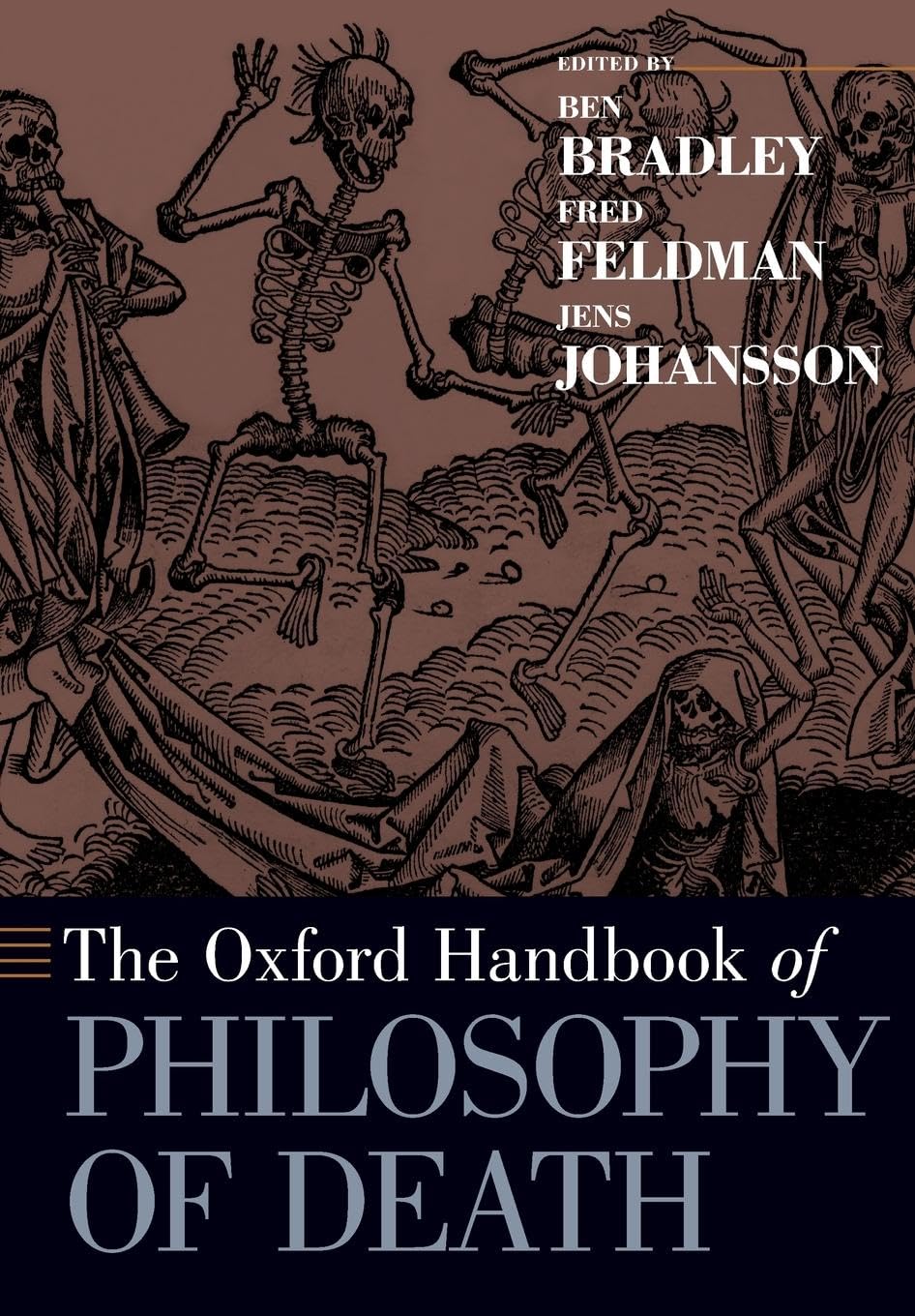
The Oxford Handbook of Philosophy of Death (Oxford Handbooks),Used
Sold by Ergodebooks, an authorized reseller.
Returns accepted within 30 days | support@ergodebooks.com
Shipping Information
- Free Standard Shipping — United States only
- Processing Time: 3–5 business days
- Estimated Delivery: 6–10 business days after dispatch
- Double-boxed, fully insured & discreetly packaged
- Tracking number sent via email once dispatched
Returns & Refund
Returns accepted within 30 days of delivery.
Damaged or Defective Item
Free return shipping + replacement or full refund
Wrong Item Received
Free return shipping + replacement or full refund
Change of Mind
Return shipping at customer's expense · 25% restocking fee applies
Payment Option

Death has long been a preoccupation of philosophers, and this is especially so today. The Oxford Handbook of Philosophy of Death collects 21 newly commissioned essays that cover current philosophical thinking of deathrelated topics across the entire range of the discipline. These include metaphysical topicssuch as the nature of death, the possibility of an afterlife, the nature of persons, and how our thinking about time affects what we think about deathas well as axiological topics, such as whether death is bad for its victim, what makes it bad to die, what attitude it is fitting to take towards death, the possibility of posthumous harm, and the desirability of immortality. The contributors also explore the views of ancient philosophers such as Aristotle, Plato and Epicurus on topics related to the philosophy of death, and questions in normative ethics, such as what makes killing wrong when it is wrong, and whether it is wrong to kill fetuses, nonhuman animals, combatants in war, and convicted murderers.With chapters written by a wide range of experts in metaphysics, ethics, and conceptual analysis, and designed to give the reader a comprehensive view of recent developments in the philosophical study of death, this Handbook will appeal to a broad audience in philosophy, particularly in ethics and metaphysics.
⚠️ WARNING (California Proposition 65):
This product may contain chemicals known to the State of California to cause cancer, birth defects, or other reproductive harm.
For more information, please visit www.P65Warnings.ca.gov.
- Q: What is the page count of 'The Oxford Handbook of Philosophy of Death'? A: This book has five hundred twenty-eight pages. It offers a comprehensive exploration of philosophical discussions related to death.
- Q: What is the binding type of this handbook? A: The binding type is paperback. This makes it more flexible and lightweight compared to hardcover options.
- Q: What dimensions does this book have? A: The book measures six point six nine inches in length, one point one eight inches in width, and nine point six one inches in height. These dimensions make it easy to handle and store.
- Q: How can I use 'The Oxford Handbook of Philosophy of Death' effectively? A: You can read it to deepen your understanding of philosophical concepts related to death. The essays are structured to cater to both scholars and general readers.
- Q: Is this book suitable for beginners in philosophy? A: Yes, this book is suitable for beginners. It includes essays that cater to a broad audience, making complex ideas more accessible.
- Q: What themes are covered in this handbook? A: The handbook covers various themes, including metaphysical and axiological topics relating to death. It discusses perspectives from ancient philosophers as well.
- Q: How should I store this book to keep it in good condition? A: Store the book in a cool, dry place away from direct sunlight. This will help preserve the binding and pages.
- Q: Can I clean the pages of this book? A: No, cleaning the pages is not recommended. To maintain its condition, handle the book carefully and avoid exposure to moisture.
- Q: Is this book safe for young adults? A: Yes, the book is appropriate for young adults. It discusses philosophical issues which are suitable for mature readers.
- Q: How does this book compare to other philosophy texts? A: This book is unique as it focuses specifically on the philosophy of death, unlike many general philosophy texts. It features contributions from various experts.
- Q: What should I do if the book arrives damaged? A: If the book arrives damaged, you should contact the seller for a return or exchange. They typically have policies in place for such issues.
- Q: Is there a warranty or guarantee for this book? A: Books generally do not come with warranties. However, you can check the seller's return policy for any guarantees.
- Q: Can I find references to historical philosophers in this book? A: Yes, the book includes discussions on historical philosophers like Aristotle, Plato, and Epicurus. Their views are analyzed in the context of modern philosophical debates.
- Q: How does this book address ethical questions about death? A: The book explores various ethical questions, including whether death is inherently bad and the implications of posthumous harm.
- Q: Are there additional resources recommended in this handbook? A: The handbook itself may reference further readings and resources. Look for a bibliography or notes section for suggestions.