
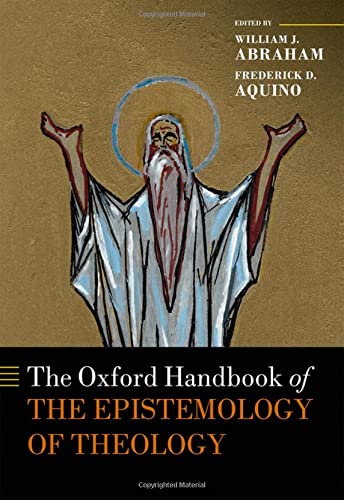
Title
The Oxford Handbook of the Epistemology of Theology (Oxford Handbooks),Used
Sold by Ergodebooks, an authorized reseller.
Returns accepted within 30 days | support@ergodebooks.com
Shipping Information
- Free Standard Shipping — United States only
- Processing Time: 3–5 business days
- Estimated Delivery: 6–10 business days after dispatch
- Double-boxed, fully insured & discreetly packaged
- Tracking number sent via email once dispatched
Returns & Refund
Returns accepted within 30 days of delivery.
Damaged or Defective Item
Free return shipping + replacement or full refund
Wrong Item Received
Free return shipping + replacement or full refund
Change of Mind
Return shipping at customer's expense · 25% restocking fee applies
Payment Option

The Oxford Handbook of the Epistemology of Theology brings together leading scholars in the fields of theology and epistemology to examine and articulate what can be categorized as appropriate epistemic evaluation in theology. Part one focuses on some of the epistemic concepts that have been traditionally employed in theology such as knowledge of God, revelation and scripture, reason and faith, experience, and tradition. This section also considers concepts that have not received sufficient epistemological attention in theology, such as saints, authority, ecclesial practices, spiritual formation, and discernment. Part two concentrates on epistemic concepts that have received significant attention in contemporary epistemology and can be related to theology such as understanding, wisdom, testimony, virtue, evidence, foundationalism, realism/antirealism, skepticism, and disagreement. Part three offers examples from key figures in the Christian tradition and investigates the relevant epistemological issues and insights in these writers, as well as recognizing the challenges of connecting insights from contemporary epistemology with the subject of theology proper, namely, God. Part four centers on five emerging areas that warrant further epistemological consideration: Liberation Theology, Continental Philosophy, modern Orthodox writers, Feminism, and Pentecostalism.This authoritative collection explores how the various topics, figures, and emerging conversations can be reconceived and addressed in light of recent developments in epistemology. Each chapter provides an analysis of the crucial moves, positions, and debates, while also identifying relevant epistemic considerations. This Handbook fulfils the need for the development of this new conversation that will take its natural place in the intersection of theology and epistemology. It links the fields of theology and epistemology in robust, meaningful, and significant ways.
⚠️ WARNING (California Proposition 65):
This product may contain chemicals known to the State of California to cause cancer, birth defects, or other reproductive harm.
For more information, please visit www.P65Warnings.ca.gov.