
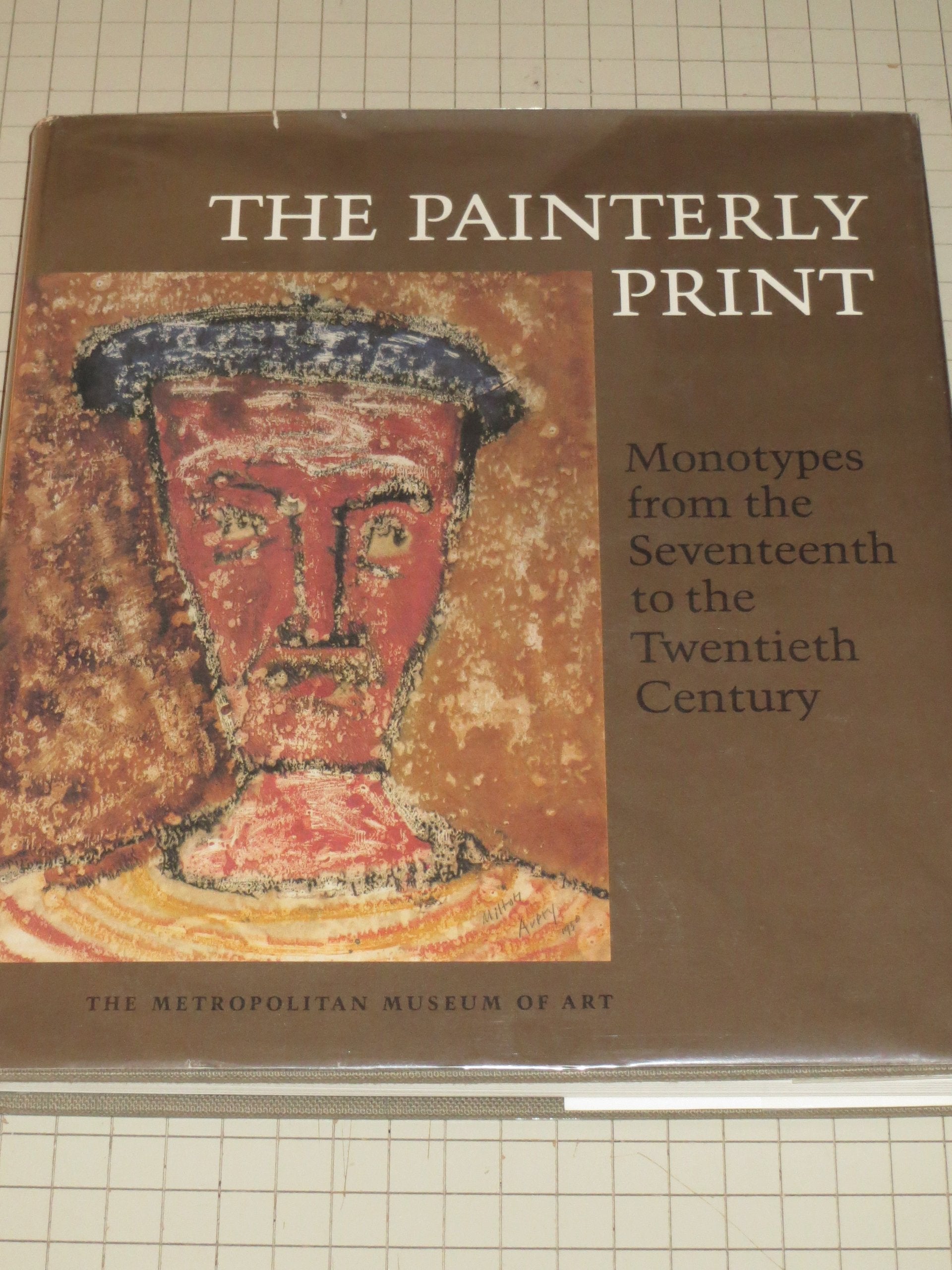
Title


The Painterly Print: Monotypes From The Seventeenth To The Twentieth Century,New
Sold by Ergodebooks, an authorized reseller.
Returns accepted within 30 days | support@ergodebooks.com
Shipping Information
- Free Standard Shipping — United States only
- Processing Time: 3–5 business days
- Estimated Delivery: 6–10 business days after dispatch
- Double-boxed, fully insured & discreetly packaged
- Tracking number sent via email once dispatched
Returns & Refund
Returns accepted within 30 days of delivery.
Damaged or Defective Item
Free return shipping + replacement or full refund
Wrong Item Received
Free return shipping + replacement or full refund
Change of Mind
Return shipping at customer's expense · 25% restocking fee applies
Payment Option

New Metropolitan Museum, 1980. 262Pp, Exhibition Catalogue Surveying Artists' Use Of Monotype Processes; An Important Reference Work, Beautifully Illustrated. Essays By Reed On Monotypes In The 17Th &Amp; 18Th Centuries; By Janis On The Revival Of Monotype As A Print Process In The 19Th Century; By Shapiro On 19Th Century Masters; By Kiehl On Monotypes In America In The 19Th/Early 20Th Centuries; By Ives On Modern Monotypes; And By Mazur On An Artist'S View Of Monotypes.
⚠️ WARNING (California Proposition 65):
This product may contain chemicals known to the State of California to cause cancer, birth defects, or other reproductive harm.
For more information, please visit www.P65Warnings.ca.gov.
- Q: What is the binding type of this book? A: This book is a hardcover edition. It offers durability and a more premium feel than paperback versions.
- Q: How many pages does the book contain? A: The book contains two hundred sixty-one pages. This length provides a comprehensive overview of monotypes across centuries.
- Q: Who is the author of this book? A: The author is Sue Welsh Reed. She provides expert insights into the history and techniques of monotypes.
- Q: What is the main subject of this book? A: The book focuses on monotypes from the seventeenth to the twentieth century. It explores various artists and their techniques.
- Q: Is this book suitable for art students? A: Yes, this book is suitable for art students. Its detailed essays and illustrations serve as valuable references for their studies.
- Q: Can this book be enjoyed by casual readers? A: Yes, casual readers can enjoy this book. The beautiful illustrations and engaging essays make it accessible to a general audience.
- Q: How should I store this book to keep it in good condition? A: Store the book upright on a shelf away from direct sunlight. This helps prevent warping and fading of the cover and pages.
- Q: What is the best way to clean the book? A: To clean the book, gently dust the cover with a soft, dry cloth. Avoid using water or cleaning solutions that could damage the pages.
- Q: Is there a warranty or guarantee for this book? A: No, there is no warranty for this book. However, if you receive a damaged copy, you may contact the seller for assistance.
- Q: What if I want to return this book? A: You can typically return the book within a specified period. Check the seller's return policy for specific details.
- Q: Are there any notable artists mentioned in the book? A: Yes, the book includes essays on notable artists like Shapiro and Kiehl. They discuss their contributions to the field of monotypes.
- Q: Does this book include photographs or illustrations? A: Yes, the book is beautifully illustrated with photographs of monotypes. These visuals enhance the reader's understanding of the subject.
- Q: Is this book a good reference for art historians? A: Yes, it is an important reference work for art historians. It surveys key developments in the monotype process over centuries.
- Q: What time periods does the book cover? A: The book covers the seventeenth to the twentieth century. It examines the evolution of monotype techniques through these eras.
- Q: Can I find this book in libraries? A: Yes, many libraries may have this book in their collection. It is a recognized work in art history and printmaking.
- Q: Is the book in good condition? A: Yes, it is described as a used book in good condition. This indicates minimal wear and tear, suitable for reading.