
Title
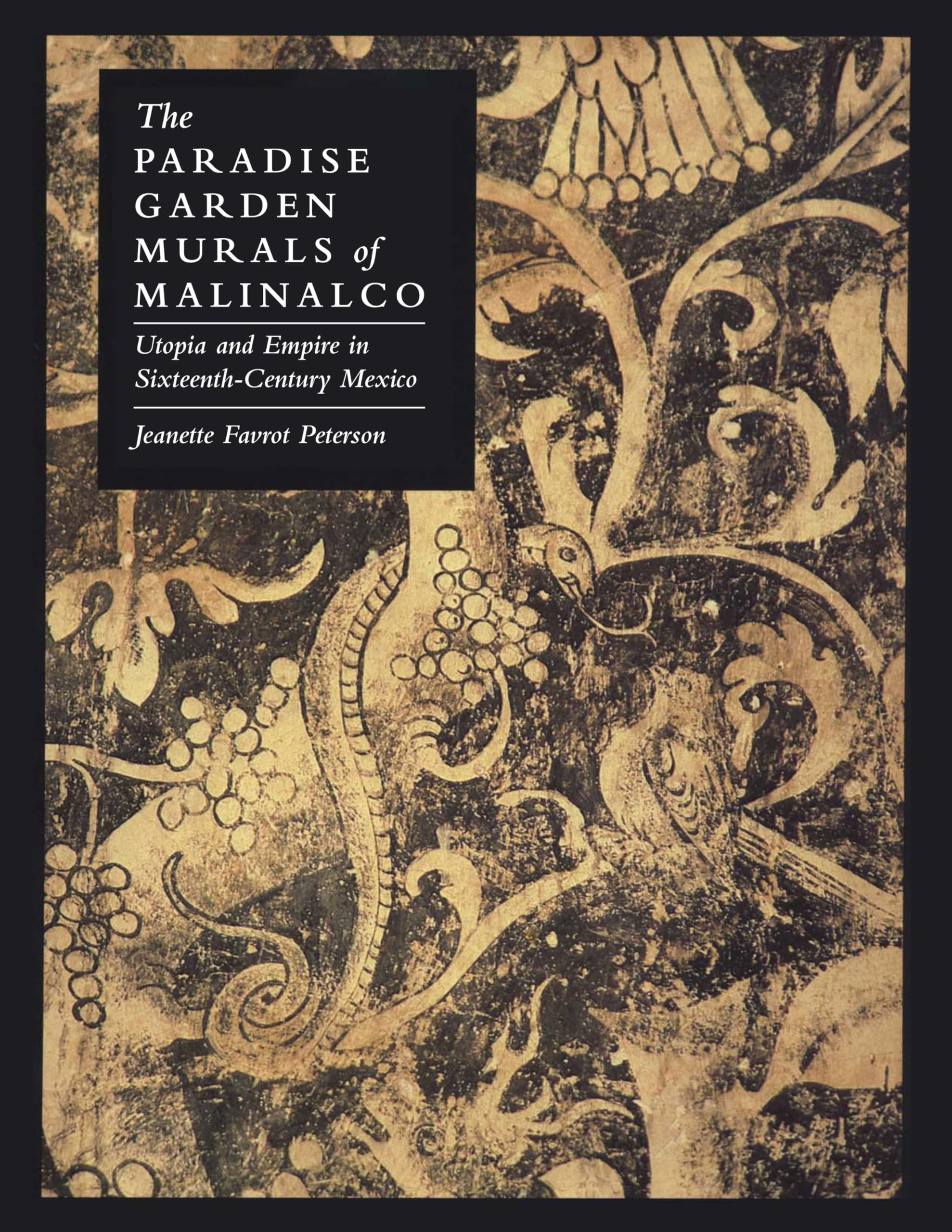
The Paradise Garden Murals Of Malinalco: Utopia And Empire In Sixteenthcentury Mexico,Used
Sold by Ergodebooks, an authorized reseller.
Returns accepted within 30 days | support@ergodebooks.com
Shipping Information
- Free Standard Shipping — United States only
- Processing Time: 3–5 business days
- Estimated Delivery: 6–10 business days after dispatch
- Double-boxed, fully insured & discreetly packaged
- Tracking number sent via email once dispatched
Returns & Refund
Returns accepted within 30 days of delivery.
Damaged or Defective Item
Free return shipping + replacement or full refund
Wrong Item Received
Free return shipping + replacement or full refund
Change of Mind
Return shipping at customer's expense · 25% restocking fee applies
Payment Option

Winner, Charles Rufus Morey Award, 1993The Valley Of Malinalco, Mexico, Long Renowned For Its Monolithic Aztec Temples, Is A Microcosm Of The Historical Changes That Occurred In The Centuries Preceding And Following The Spanish Conquest In The Sixteenth Century. In Particular, The Garden Frescoes Uncovered In 1974 At The Augustinian Monastery Of Malinalco Document The Collision Of The European Search For Utopia With The Reality Of Colonial Life.In This Study, Jeanette F. Peterson Examines The Murals Within The Dual Heritage Of Prehispanic And European Muralism To Reveal How The Wall Paintings Promoted The Political And Religious Agendas Of The Spanish Conquerors While Preserving A Record Of Precolumbian Rituals And Imagery. She Finds That The Utopian Themes Portrayed At Malinalco And Other Augustinian Monasteries Were Integrated Into A Religious And Political Ideology That, In Part, Camouflaged The Harsh Realities Of Colonial Policies Toward The Native Population.That The Murals Were Ultimately Whitewashed At The End Of The Sixteenth Century Suggests That The 'Spiritual Conquest' Failed. Peterson Argues That The Incorporation Of Native Features Ultimately Worked To Undermine The Orthodoxy Of The Christian Message. She Places The Murals' Imagery Within The Precolumbian Tlacuilo (Scribepainter) Tradition, Traces A 'Sahagn Connection' Between The Malinalco Muralists And The Native Artists Working At The Franciscan School Of Tlatelolco, And Explores Mural Painting As An Artistic Response To Acculturation.The Book Is Beautifully Illustrated With 137 Blackandwhite Figures, Including Photographs And Line Drawings. For Everyone Interested In The Encounter Between European And Native American Cultures, It Will Be Essential Reading.
⚠️ WARNING (California Proposition 65):
This product may contain chemicals known to the State of California to cause cancer, birth defects, or other reproductive harm.
For more information, please visit www.P65Warnings.ca.gov.