If you have any questions, you are always welcome to contact us. We'll get back to you as soon as possible, withing 24 hours on weekdays.
Customer service
All questions about your order, return and delivery must be sent to our customer service team by e-mail at yourstore@yourdomain.com
Sale & Press
If you are interested in selling our products, need more information about our brand or wish to make a collaboration, please contact us at press@yourdomain.com
Help
If you have any questions, you are always welcome to contact us. We'll get back to you as soon as possible, withing 24 hours on weekdays.
Customer service
All questions about your order, return and delivery must be sent to our customer service team by e-mail at yourstore@yourdomain.com
Sale & Press
If you are interested in selling our products, need more information about our brand or wish to make a collaboration, please contact us at press@yourdomain.com
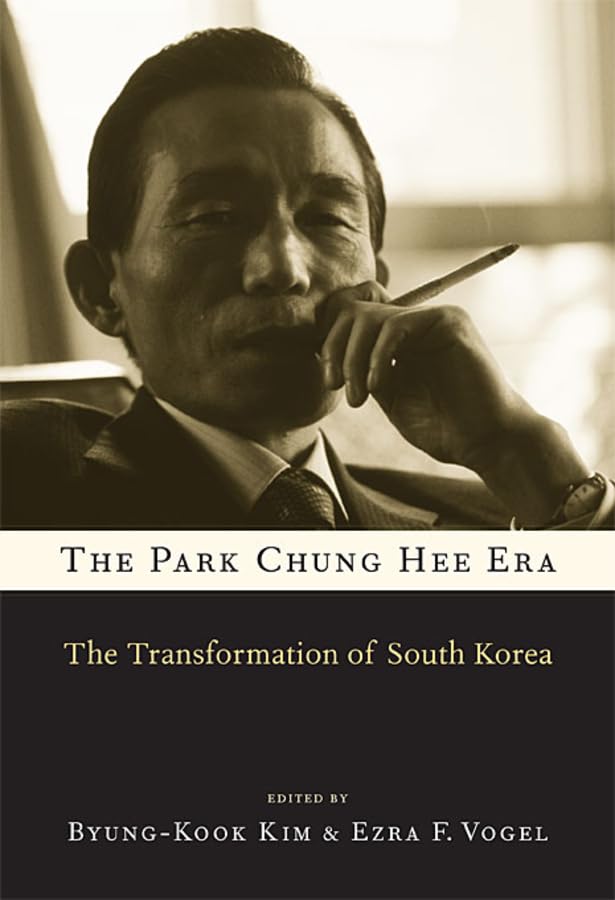
In 1961 South Korea was mired in poverty. By 1979 it had a powerful industrial economy and a vibrant civil society in the making, which would lead to a democratic breakthrough eight years later. The transformation took place during the years of Park Chung Hee's presidency. Park seized power in a coup in 1961 and ruled as a virtual dictator until his assassination in October 1979. He is credited with modernizing South Korea, but at a huge political and social cost.South Korea's political landscape under Park defies easy categorization. The state was predatory yet technocratic, reformminded yet quick to crack down on dissidents in the name of political order. The nation was balanced uneasily between opposition forces calling for democratic reforms and the Park government's obsession with economic growth. The chaebol (a powerful conglomerate of multinationals based in South Korea) received massive government support to pioneer new growth industries, even as a nationwide campaign of economic shock therapyinterest hikes, devaluation, and wage cutsmet strong public resistance and caused considerable hardship.This landmark volume examines South Korea's era of development as a study in the complex politics of modernization. Drawing on an extraordinary range of sources in both English and Korean, these essays recover and contextualize many of the ambiguities in South Korea's trajectory from poverty to a sustainable high rate of economic growth.
⚠️ WARNING (California Proposition 65):
This product may contain chemicals known to the State of California to cause cancer,
birth defects, or other reproductive harm.
For MAP (Minimum Advertised Price) violations and Intellectual Property (IP) or Trademark concerns, please contact:
support@ergodebooks.com
⚠️ California Proposition 65 Warning: Some products sold on this website may expose you to chemicals known to the State of California to cause cancer, birth defects, or other reproductive harm. For more information, visit www.P65Warnings.ca.gov.