If you have any questions, you are always welcome to contact us. We'll get back to you as soon as possible, withing 24 hours on weekdays.
Customer service
All questions about your order, return and delivery must be sent to our customer service team by e-mail at yourstore@yourdomain.com
Sale & Press
If you are interested in selling our products, need more information about our brand or wish to make a collaboration, please contact us at press@yourdomain.com
Help
If you have any questions, you are always welcome to contact us. We'll get back to you as soon as possible, withing 24 hours on weekdays.
Customer service
All questions about your order, return and delivery must be sent to our customer service team by e-mail at yourstore@yourdomain.com
Sale & Press
If you are interested in selling our products, need more information about our brand or wish to make a collaboration, please contact us at press@yourdomain.com
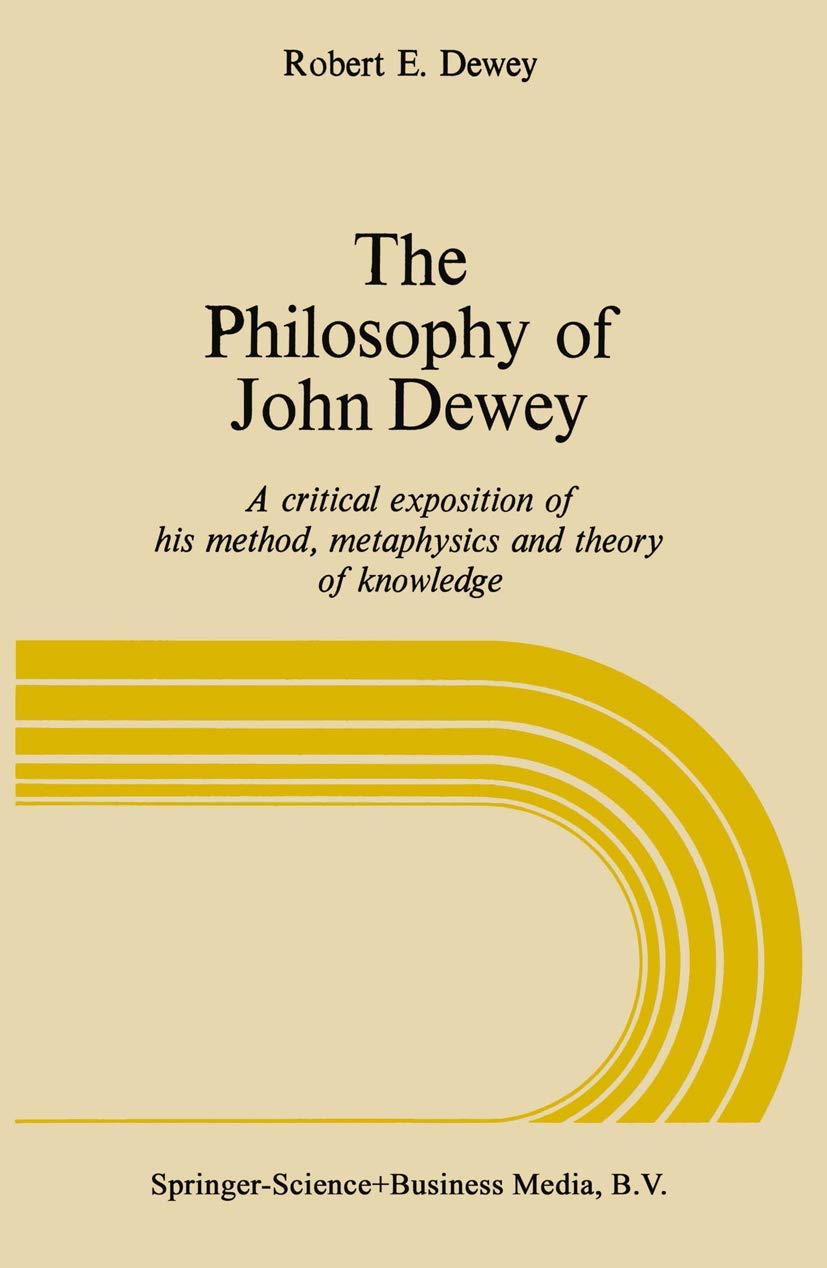
John Dewey ranks as the most influential of America's philosophers. That in fluence stems, in part, from the originality of his mind, the breadth of his in terests, and his capacity to synthesize materials from diverse sources. In addi tion, Dewey was blessed with a long life and the extraordinary energy to express his views in more than 50 books, approximately 750 articles, and at least 200 contributions to encyclopedias. He has made enduring intellectual contributions in all of the traditional fields of philosophy, ranging from studies primarily of interest for philosophers in logic, epistemology, and metaphysics to books and articles of wider appeal in ethics, political philosophy, religion, aesthetics, and education. Given the extent of Dewey's own writings and the many books and articles on his views by critics and defenders, it may be asked why there is a need for any further examination of his philosophy. The need arises because the lapse of time since his death in 1952 now permits a new generation of scholars to approach his work in a different spirit. Dewey is no longer a living partisan of causes, sparking controversy over the issues of the day. He is no longer the advocate of a new point of view which calls into question the basic assump tions of rival philosophical schools and receives an almost predictable criticism from their entrenched positions. His works have now become classics.
⚠️ WARNING (California Proposition 65):
This product may contain chemicals known to the State of California to cause cancer,
birth defects, or other reproductive harm.
For MAP (Minimum Advertised Price) violations and Intellectual Property (IP) or Trademark concerns, please contact:
support@ergodebooks.com
⚠️ California Proposition 65 Warning: Some products sold on this website may expose you to chemicals known to the State of California to cause cancer, birth defects, or other reproductive harm. For more information, visit www.P65Warnings.ca.gov.