
Title
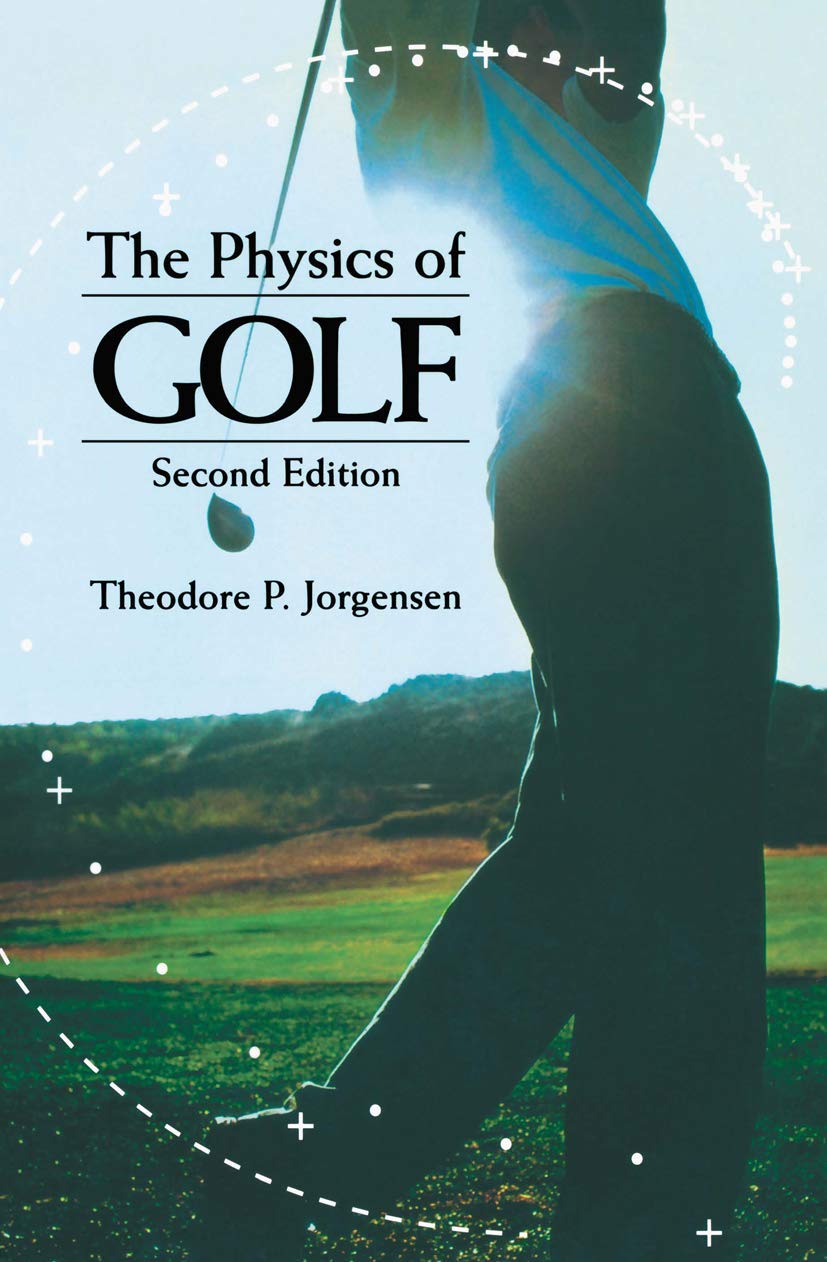
The Physics of Golf,Used
Sold by Ergodebooks, an authorized reseller.
Returns accepted within 30 days | support@ergodebooks.com
Shipping Information
- Free Standard Shipping — United States only
- Processing Time: 3–5 business days
- Estimated Delivery: 6–10 business days after dispatch
- Double-boxed, fully insured & discreetly packaged
- Tracking number sent via email once dispatched
Returns & Refund
Returns accepted within 30 days of delivery.
Damaged or Defective Item
Free return shipping + replacement or full refund
Wrong Item Received
Free return shipping + replacement or full refund
Change of Mind
Return shipping at customer's expense · 25% restocking fee applies
Payment Option

Improve your golf game by learning the underlying fundamentals of the golf swing in this acclaimed, unique contribution to the sport. Finally, youll understand: why shortening your backswing doesnt substantially decrease clubhead velocity what components contribute to the optimal swing and what variations are acceptable how and why properly shifting your weight adds to distance why a golf ball behaves and spins as it doesand much more.Written by a physicist after some twenty years of research, Physics of Golf is the only book devoted exclusively to explaining the science behind a successful golf game. Technical appendices offer details for the so inclined. The revised and expanded second now offers you: new material on hightech club designs a complete new chapter on short putts additional applications of physics to the problems every player faces.'Jorgensen tells golfers what they ought to be doing and why, the correct technique according to the principles of physics.' Golf Weekly'gives new insights and precise views into the forces and torques developed in the downswingThank you, Dr. JorgensenWe will all treasure your book.' American Golf Pro'The heart of golfer Ted Jorgensens delightful book lies in his analysis of the swing of the golf club and how, armed with insights from that analysis, you, he and I might all swing the club better and play better golf[The book] is designed to be accessible to the casual reader while satisfying the critical student. But first word or last, for anyone who has swung a golf club, the book is fun to read.' Physics Today'This very enjoyable book covers most aspects of golf from the swing, to club selection, golf balls, and human motion.' Applied MechanicsReview
⚠️ WARNING (California Proposition 65):
This product may contain chemicals known to the State of California to cause cancer, birth defects, or other reproductive harm.
For more information, please visit www.P65Warnings.ca.gov.
- Q: What is 'The Physics of Golf' about? A: The Physics of Golf is a book that explores the scientific principles behind the golf swing, helping readers understand the mechanics of improving their golf game.
- Q: Who is the author of 'The Physics of Golf'? A: The author of 'The Physics of Golf' is Theodore P. Jorgensen, a physicist with over twenty years of research experience in the field.
- Q: What is included in the second edition of the book? A: The second edition includes new material on high-tech club designs, a complete new chapter on short putts, and additional applications of physics to common golfing problems.
- Q: Is this book suitable for casual readers? A: Yes, the book is designed to be accessible to casual readers while also providing in-depth information for those with a more serious interest in golf and physics.
- Q: How many pages does 'The Physics of Golf' have? A: The book contains 201 pages.
- Q: What type of binding does 'The Physics of Golf' have? A: The book is available in a paperback binding.
- Q: When was 'The Physics of Golf' published? A: The book was published on March 26, 1999.
- Q: What condition is the book in? A: The book is in new condition.
- Q: What can I learn from 'The Physics of Golf'? A: Readers can learn about the optimal golf swing, weight shifting for distance, and the behavior and spin of golf balls, among other concepts.
- Q: Are there technical appendices in the book? A: Yes, the book includes technical appendices for readers interested in detailed scientific explanations.