If you have any questions, you are always welcome to contact us. We'll get back to you as soon as possible, withing 24 hours on weekdays.
Customer service
All questions about your order, return and delivery must be sent to our customer service team by e-mail at yourstore@yourdomain.com
Sale & Press
If you are interested in selling our products, need more information about our brand or wish to make a collaboration, please contact us at press@yourdomain.com
Help
If you have any questions, you are always welcome to contact us. We'll get back to you as soon as possible, withing 24 hours on weekdays.
Customer service
All questions about your order, return and delivery must be sent to our customer service team by e-mail at yourstore@yourdomain.com
Sale & Press
If you are interested in selling our products, need more information about our brand or wish to make a collaboration, please contact us at press@yourdomain.com
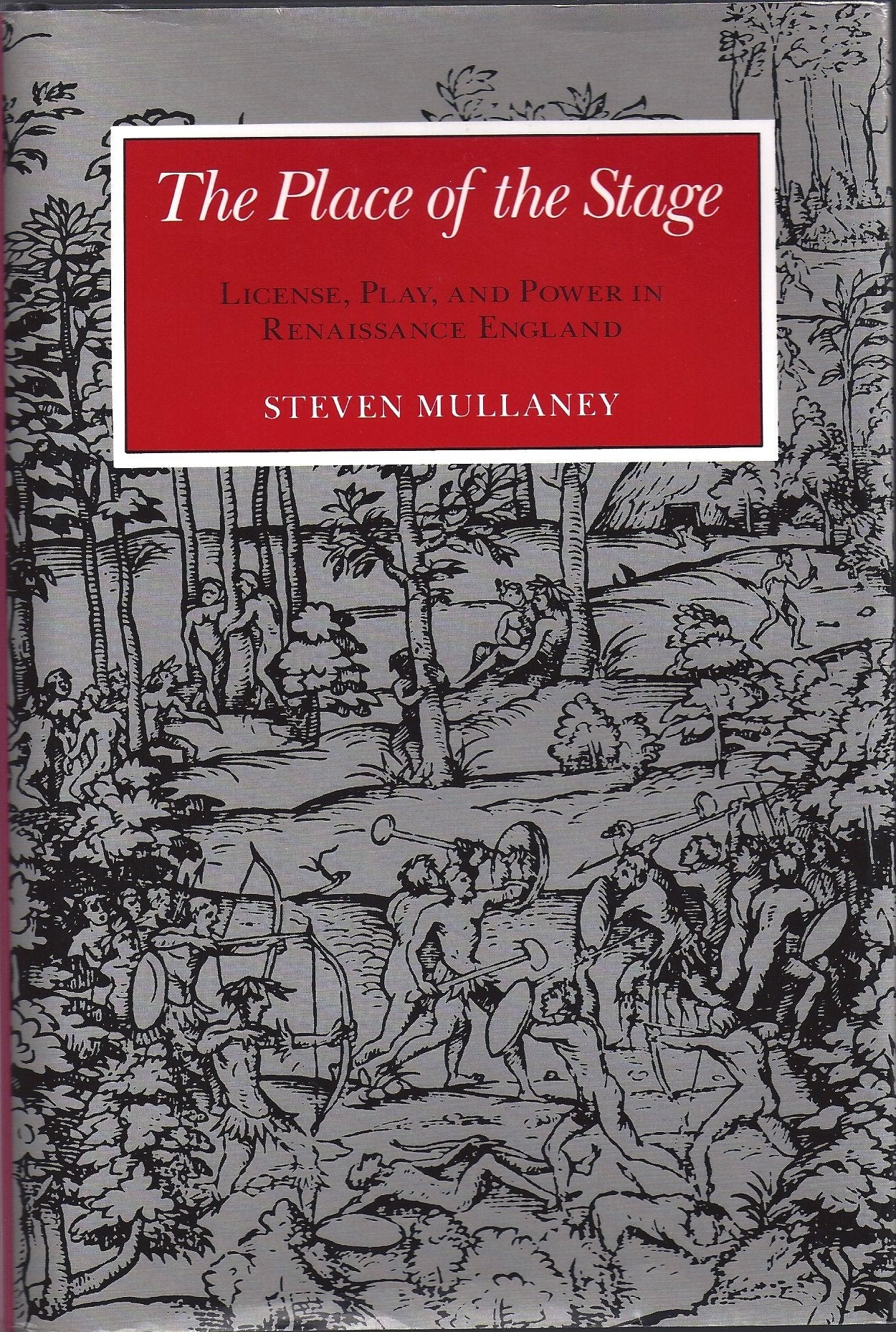
From Library JournalThe drama is the most social of the arts, depending upon physical space, audience, and social factors for its existence. It is no surprise, therefore, that the most successful criticism approaches theater the way Barber and Mullaney do: as historical artifact. Barber is the better known, having authored the classic Shakespeare's Festive Comedy (1959); the present volume is based on his papers and examines three early Elizabethan tragedies"Tamburlaine" and "Dr. Faustus" by Marlowe and "The Spanish Tragedy" by Kyd. Particularly interested in locating these plays in the unstable religious atmosphere of the late 16th century, Barber ably demonstrates his understanding of the social, historical, and economic factors that defined the era. Mullaney takes the novel approach of examining the theater in light of London topography; the title thus refers to the physical location of the playhouses as well as the social importance of the theater. Mullaney points out that the prejudice that forced the great theaters of the age to operate outside the city walls encouraged a drama that was radical and iconoclastichence its greatness. Mullaney's argument is fascinating and thoughtprovoking, convincingly presented. James Stephenson, Catholic Univ., Washington, D.C.Copyright 1987 Reed Business Information, Inc.
⚠️ WARNING (California Proposition 65):
This product may contain chemicals known to the State of California to cause cancer,
birth defects, or other reproductive harm.
For MAP (Minimum Advertised Price) violations and Intellectual Property (IP) or Trademark concerns, please contact:
support@ergodebooks.com
⚠️ California Proposition 65 Warning: Some products sold on this website may expose you to chemicals known to the State of California to cause cancer, birth defects, or other reproductive harm. For more information, visit www.P65Warnings.ca.gov.