If you have any questions, you are always welcome to contact us. We'll get back to you as soon as possible, withing 24 hours on weekdays.
Customer service
All questions about your order, return and delivery must be sent to our customer service team by e-mail at yourstore@yourdomain.com
Sale & Press
If you are interested in selling our products, need more information about our brand or wish to make a collaboration, please contact us at press@yourdomain.com
Help
If you have any questions, you are always welcome to contact us. We'll get back to you as soon as possible, withing 24 hours on weekdays.
Customer service
All questions about your order, return and delivery must be sent to our customer service team by e-mail at yourstore@yourdomain.com
Sale & Press
If you are interested in selling our products, need more information about our brand or wish to make a collaboration, please contact us at press@yourdomain.com
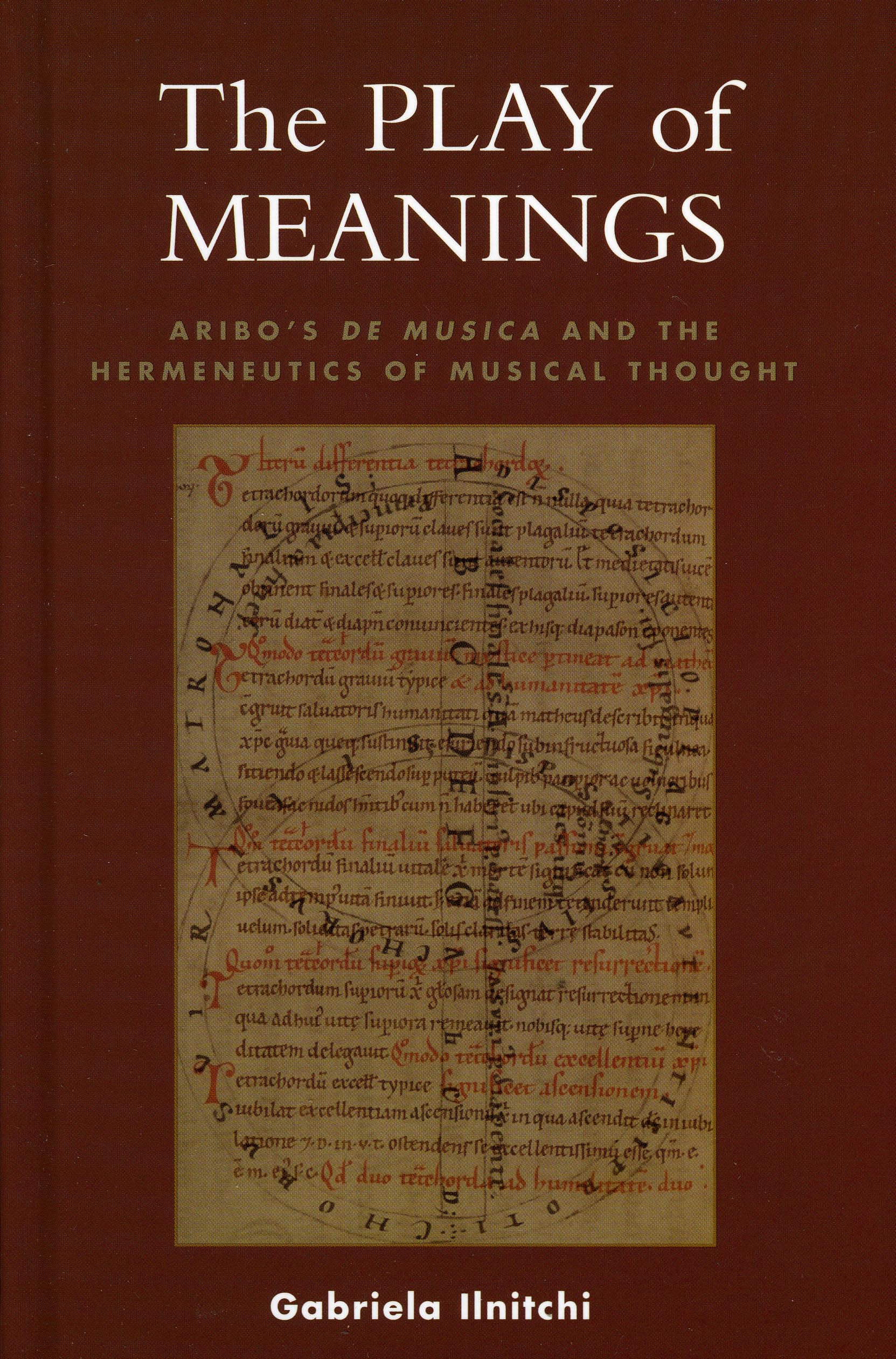
Aribo Scholasticus was an eleventhcentury music theorist whose treatise De musica was critical in the development of modal theory. By placing emphasis on melodic formulae as well as scales in the definition of mode, Aribo altered the way Western musicians viewed music.The Play of Meanings: Aribo's De Musica and the Hermeneutics of Musical Thought provides a close reading of the treatise and suggests that an investigation of Aribo's imagery, music theories, and methodology of presentation is critical to a nuanced understanding of not only the treatise itself, but also of its conceptual and theoretical relationship to the larger world of eleventhcentury musical thought. The manner in which Aribo's text circulated in the Middle Ages, as well as the chants he cites and his views on music theory, suggest that Aribo's work was intended for a medieval reader who was proficient in music theory well trained in ratio, yet also versed in Neoplatonic philosophy and biblical exegesis. The interpretive process laid out in this study yields an understanding of Aribo's work that ultimately alters our preconceptions of what a medieval music theory text might or should have been, unveiling a rich field of interconnected meanings.This work finally settles the academic question of this early medieval musicologist's identity, putting forth the firstever examination of his musical theories as taken from original texts and extant discussions on the subject. As such, it is an essential reference for all medieval scholars and musicologists.
⚠️ WARNING (California Proposition 65):
This product may contain chemicals known to the State of California to cause cancer,
birth defects, or other reproductive harm.
For MAP (Minimum Advertised Price) violations and Intellectual Property (IP) or Trademark concerns, please contact:
support@ergodebooks.com
⚠️ California Proposition 65 Warning: Some products sold on this website may expose you to chemicals known to the State of California to cause cancer, birth defects, or other reproductive harm. For more information, visit www.P65Warnings.ca.gov.