If you have any questions, you are always welcome to contact us. We'll get back to you as soon as possible, withing 24 hours on weekdays.
Customer service
All questions about your order, return and delivery must be sent to our customer service team by e-mail at yourstore@yourdomain.com
Sale & Press
If you are interested in selling our products, need more information about our brand or wish to make a collaboration, please contact us at press@yourdomain.com
Help
If you have any questions, you are always welcome to contact us. We'll get back to you as soon as possible, withing 24 hours on weekdays.
Customer service
All questions about your order, return and delivery must be sent to our customer service team by e-mail at yourstore@yourdomain.com
Sale & Press
If you are interested in selling our products, need more information about our brand or wish to make a collaboration, please contact us at press@yourdomain.com
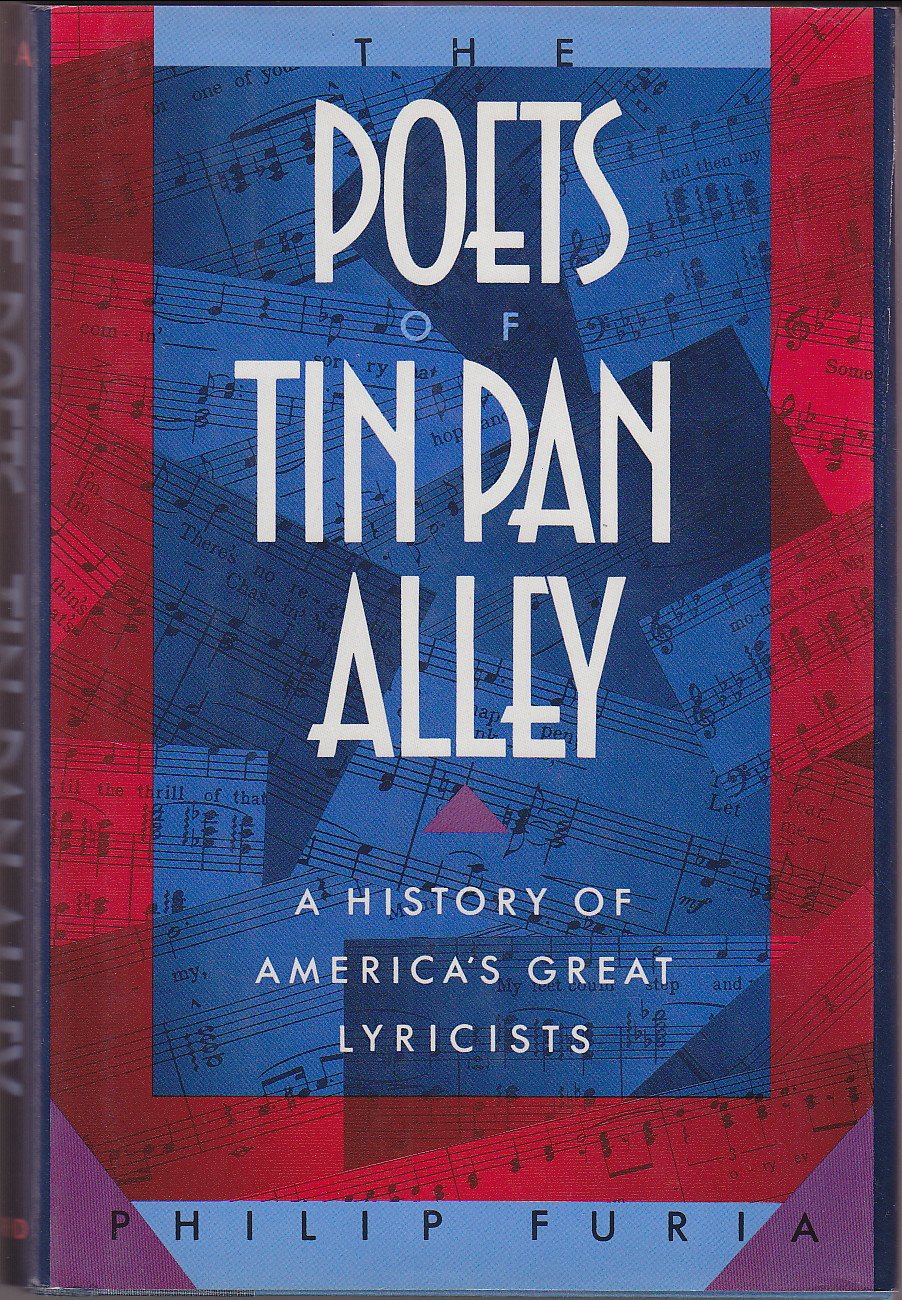
From the turn of the century to the 1960s, the songwriters of Tin Pan Alley dominated American music. Irving Berlin, Cole Porter, George and Ira Gershwin, Rodgers and Harteven today these giants remain household names, their musicals regularly revived, their methods and styles analyzed and imitated, and their songs the bedrock of jazz and cabaret. In The Poets of Tin Pan Alley Philip Furia offers a unique new perspective on these great songwriters, showing how their poetic lyrics were as important as their brilliant music in shaping a golden age of American popular song.Furia writes with great perception and understanding as he explores the deft rhymes, inventive imagery, and witty solutions these songwriters used to breathe new life into rigidly established genres. He devotes full chapters to all the greats, including Irving Berlin, Lorenz Hart, Ira Gershwin, Cole Porter, Oscar Hammerstain II, Howard Dietz nd E.Y. Harburg, Dorothy Fields and Leo Robin, and Johnny Mercer. Furia also offers a comprehensive survey of other lyricists who wrote for the sheetmusic industry, Broadway, Hollywood, and Harlem nightclub revues. This was the era that produced The New Yorker, Don Marquis, Dorothy Parker, and E.B. Whiteand Furia places the lyrics firmly in this fascinating historical context. In these pages, the lyrics emerge as an imporant element of American modernism, as the lyricists, like the great modernist poets, took the American vernacular and made it sing.
⚠️ WARNING (California Proposition 65):
This product may contain chemicals known to the State of California to cause cancer,
birth defects, or other reproductive harm.
For MAP (Minimum Advertised Price) violations and Intellectual Property (IP) or Trademark concerns, please contact:
support@ergodebooks.com
⚠️ California Proposition 65 Warning: Some products sold on this website may expose you to chemicals known to the State of California to cause cancer, birth defects, or other reproductive harm. For more information, visit www.P65Warnings.ca.gov.