
Title
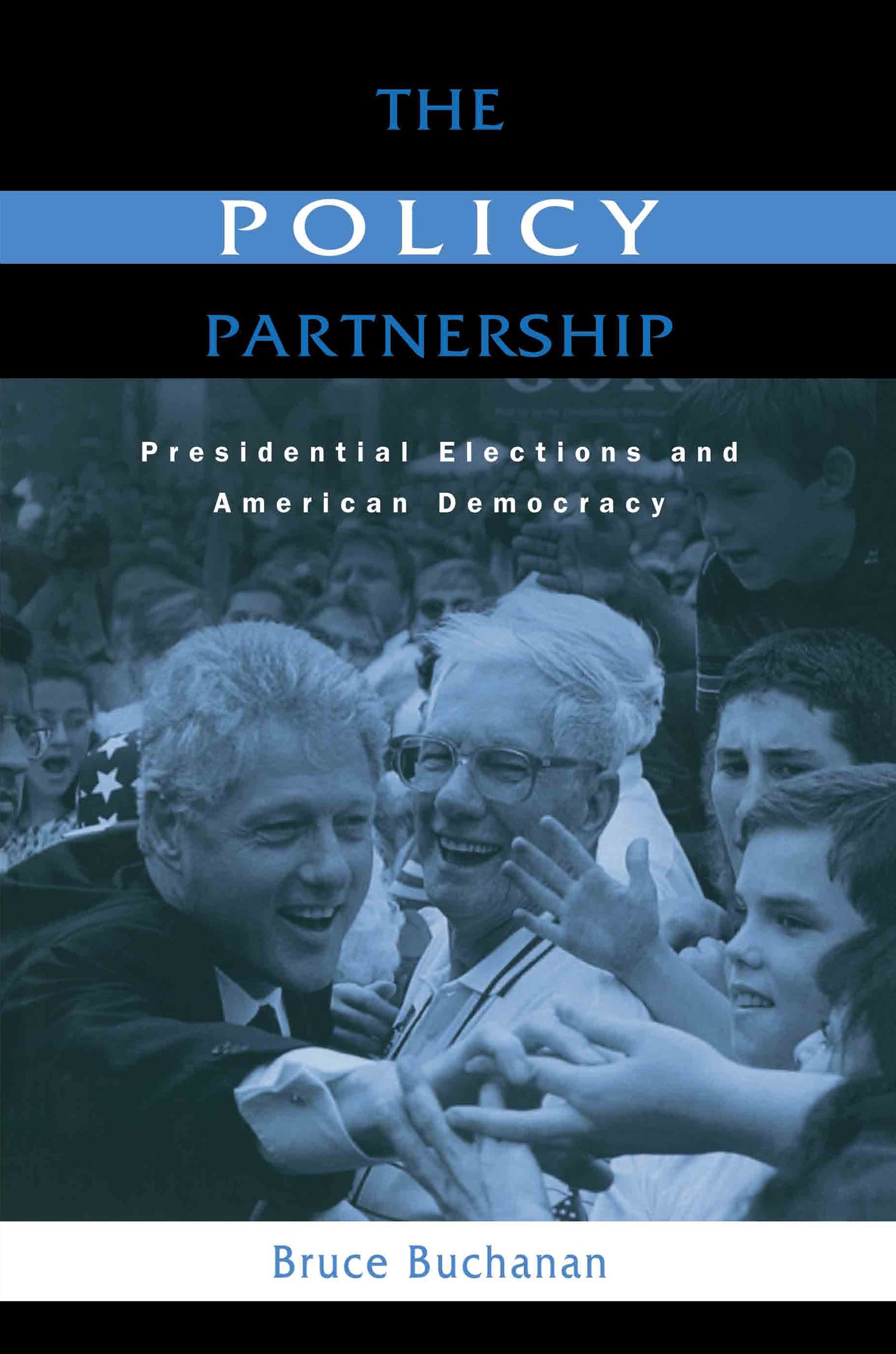
The Policy Partnership: Presidential Elections And American Democracy
Sold by Ergodebooks, an authorized reseller.
Returns accepted within 30 days | support@ergodebooks.com
Shipping Information
- Free Standard Shipping — United States only
- Processing Time: 3–5 business days
- Estimated Delivery: 6–10 business days after dispatch
- Double-boxed, fully insured & discreetly packaged
- Tracking number sent via email once dispatched
Returns & Refund
Returns accepted within 30 days of delivery.
Damaged or Defective Item
Free return shipping + replacement or full refund
Wrong Item Received
Free return shipping + replacement or full refund
Change of Mind
Return shipping at customer's expense · 25% restocking fee applies
Payment Option

The presidency was neither designed nor expected to act in concert with the American people; the Framers intended Congress to represent the popular will. Thanks in part to public outrage at Congressional abuses of power, Thomas Jefferson and Andrew Jackson led mass movements that forced major changes in the presidency, electoral politics, and national policy. Contemporary presidents are elected on the promise of being the direct representative of the people. There is an implicit deal between the president and voters: election to office in return for responsiveness to voter concerns. As The Policy Partnership shows, this relationship has been crumbling for some time. Presidents frequently break campaign promises and make unpopular decisions, while the public rarely bands together to demand attention to policy concerns. Many people simply do not vote; political elites take advantage of this indifference to advance their own agendas. Bruce Buchanan explores the presidential elections of the last halfcentury to answer pressing questions created by this situation: What has become of the policy relationship potential created by presidential elections? To what degree do candidates and presidents take voter policy concerns into account before and after elections? How much influence do voters really have on presidential policy? What can be done to increase voter participation and presidential responsiveness? The central question of democratic politics comes down to the relationship between popular electoral choices and public policy: if voters can't influence what government does, then what is the point of democracy?
⚠️ WARNING (California Proposition 65):
This product may contain chemicals known to the State of California to cause cancer, birth defects, or other reproductive harm.
For more information, please visit www.P65Warnings.ca.gov.