
Title
The Politics And Civics Of National Service: Lessons From The Civilian Conservation Corps, Vista, And Americorps,Used
Sold by Ergodebooks, an authorized reseller.
Returns accepted within 30 days | support@ergodebooks.com
Shipping Information
- Free Standard Shipping — United States only
- Processing Time: 3–5 business days
- Estimated Delivery: 6–10 business days after dispatch
- Double-boxed, fully insured & discreetly packaged
- Tracking number sent via email once dispatched
Returns & Refund
Returns accepted within 30 days of delivery.
Damaged or Defective Item
Free return shipping + replacement or full refund
Wrong Item Received
Free return shipping + replacement or full refund
Change of Mind
Return shipping at customer's expense · 25% restocking fee applies
Payment Option

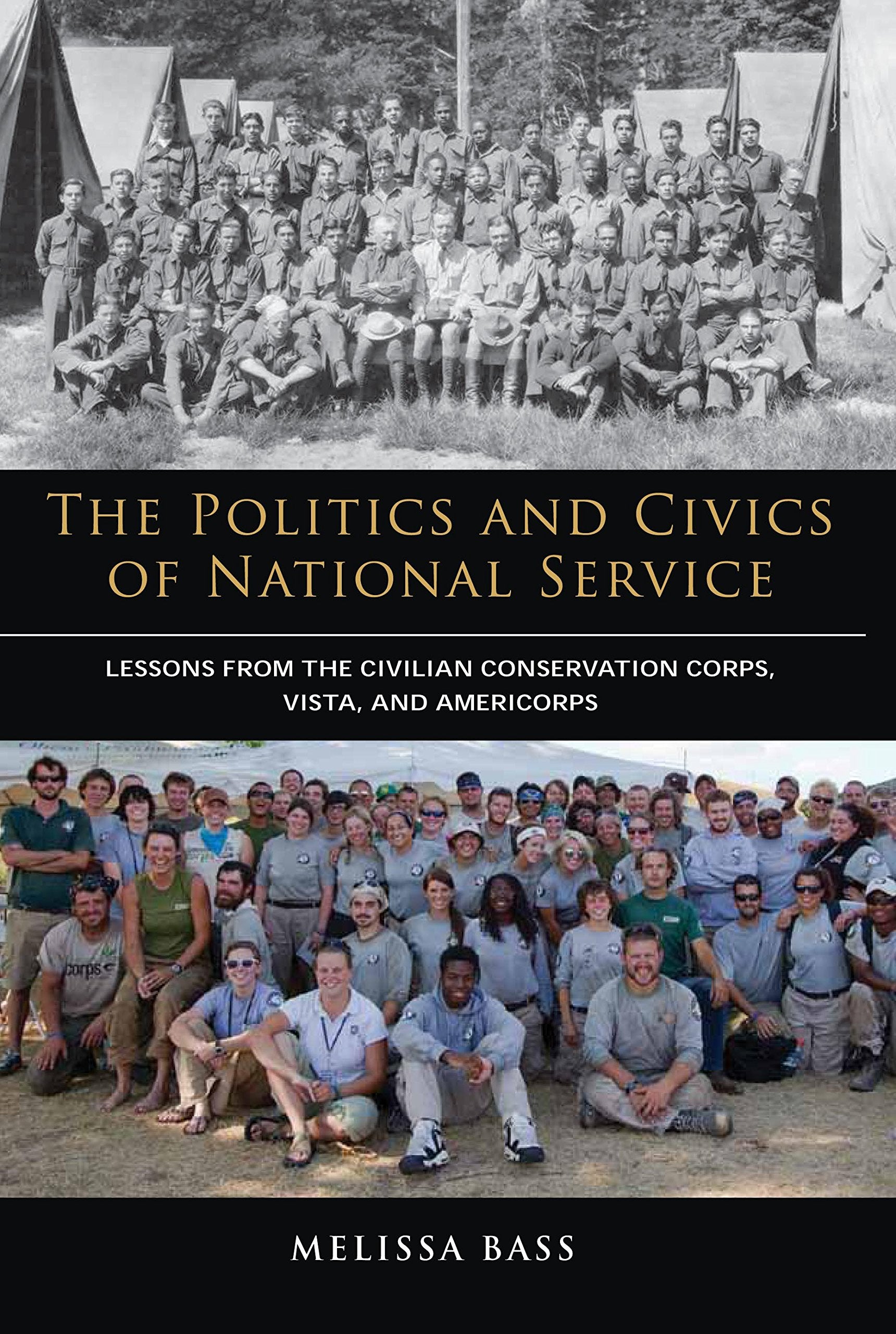
In 1933 President Franklin D. Roosevelt created America's first domestic national service program: the Civilian Conservation Corps (CCC). As part of this programthe largest and most highly esteemed of its kindnearly three million unemployed men worked to rehabilitate, protect, and build the nation's natural resources. It demonstrated what citizens and government could accomplish together. Yet despite its success, the CCC was short lived. While more controversial programs such as President Johnson's Volunteers in Service to America (VISTA) and President Clinton's AmeriCorps survived, why did CCC die? And whygiven the hardwon continuation and expansion of AmeriCorpsis national service an option for fewer Americans today than at its start nearly eighty years ago?In The Politics and Civics of National Service, Melissa Bass focuses on the history, current relevance, and impact of domestic civilian national service. She explains why such service has yet to be deeply institutionalized in the United States; while military and higher education have solidified their roles as American institutions, civilian national service is still not recognized as a longterm policy option. Bass argues that only by examining these programs over time can we understand national service's successes and limitations, both in terms of its political support and its civics lessons.The Politics and Civics of National Service furthers our understanding of American political development by comparing programs founded during three distinct political erasthe New Deal, theGreat Society, and the early Clinton yearsand tracing them over time. To a remarkable extent, the CCC, VISTA, and AmeriCorps reflect the policymaking ethos and political controversies of their times, illuminating principles that hold well beyond the field of national service. By emphasizing these programs' effects on citizenship and civic engagement, The Politics and Civics of National Ser'
⚠️ WARNING (California Proposition 65):
This product may contain chemicals known to the State of California to cause cancer, birth defects, or other reproductive harm.
For more information, please visit www.P65Warnings.ca.gov.