
Title
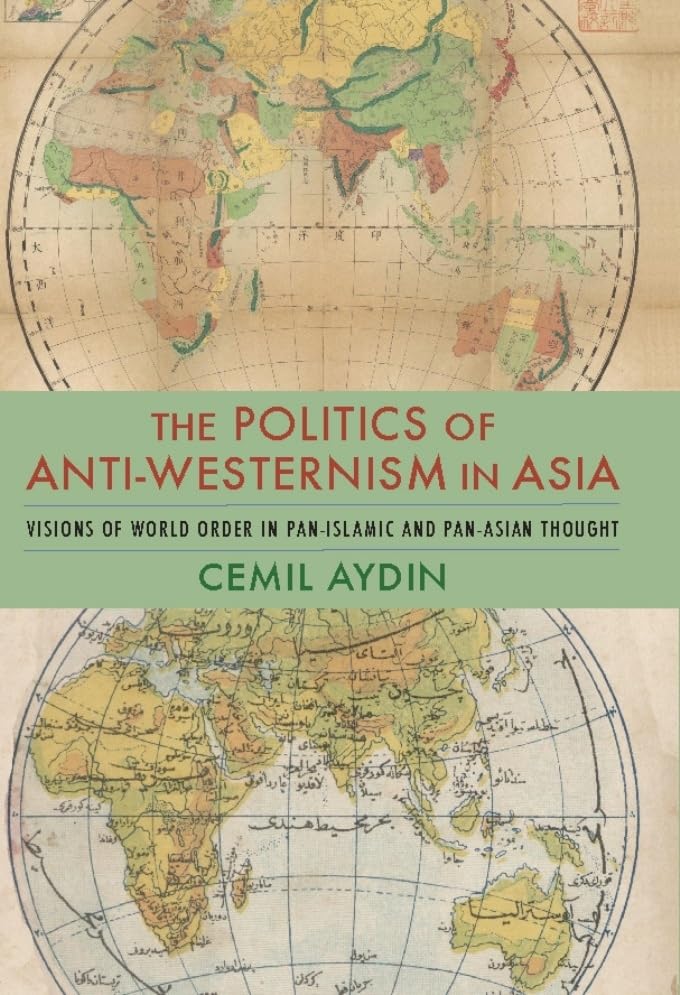
The Politics of AntiWesternism in Asia: Visions of World Order in PanIslamic and PanAsian Thought (Columbia Studies in Intern,Used
Sold by Ergodebooks, an authorized reseller.
Returns accepted within 30 days | support@ergodebooks.com
Shipping Information
- Free Standard Shipping — United States only
- Processing Time: 3–5 business days
- Estimated Delivery: 6–10 business days after dispatch
- Double-boxed, fully insured & discreetly packaged
- Tracking number sent via email once dispatched
Returns & Refund
Returns accepted within 30 days of delivery.
Damaged or Defective Item
Free return shipping + replacement or full refund
Wrong Item Received
Free return shipping + replacement or full refund
Change of Mind
Return shipping at customer's expense · 25% restocking fee applies
Payment Option

In this rich intellectual history, Cemil Aydin challenges the notion that antiWesternism in modern Asia is a political and religious reaction to the liberal and democratic values of the West. Nor is antiWesternism a natural response to Western imperialism. Instead, by focusing on the agency and achievements of nonWestern intellectuals, Aydin demonstrates that modern antiWestern discourse grew out of the legitimacy crisis of a single, Eurocentric global polity in the age of high imperialism.Aydin compares Ottoman panIslamic and Japanese panAsian visions of world order from the middle of the nineteenth century to the end of World War II. He looks at when the idea of a universal 'West' first took root in the minds of Asian intellectuals and reformers and how it became essential in criticizing the West for violating its own 'standards of civilization.' Aydin also illustrates why these antiWestern visions contributed to the decolonization process and considers their influence on the international relations of both the Ottoman and Japanese Empires during WWI and WWII.The Politics of AntiWesternism in Asia offers a rare, global perspective on how religious tradition and the experience of European colonialism interacted with Muslim and nonMuslim discontent with globalization, the international order, and modernization. Aydin's approach reveals the epistemological limitations of Orientalist knowledge categories, especially the idea of Eastern and Western civilizations, and the way in which these limitations have shaped not only the contradictions and political complicities of antiWestern discourses but also contemporary interpretations of antiWestern trends. In moving beyond essentialist readings of this history, Aydin provides a fresh understanding of the history of contemporary antiAmericanism as well as the ongoing struggle to establish a legitimate and inclusive international society.
⚠️ WARNING (California Proposition 65):
This product may contain chemicals known to the State of California to cause cancer, birth defects, or other reproductive harm.
For more information, please visit www.P65Warnings.ca.gov.