
Title
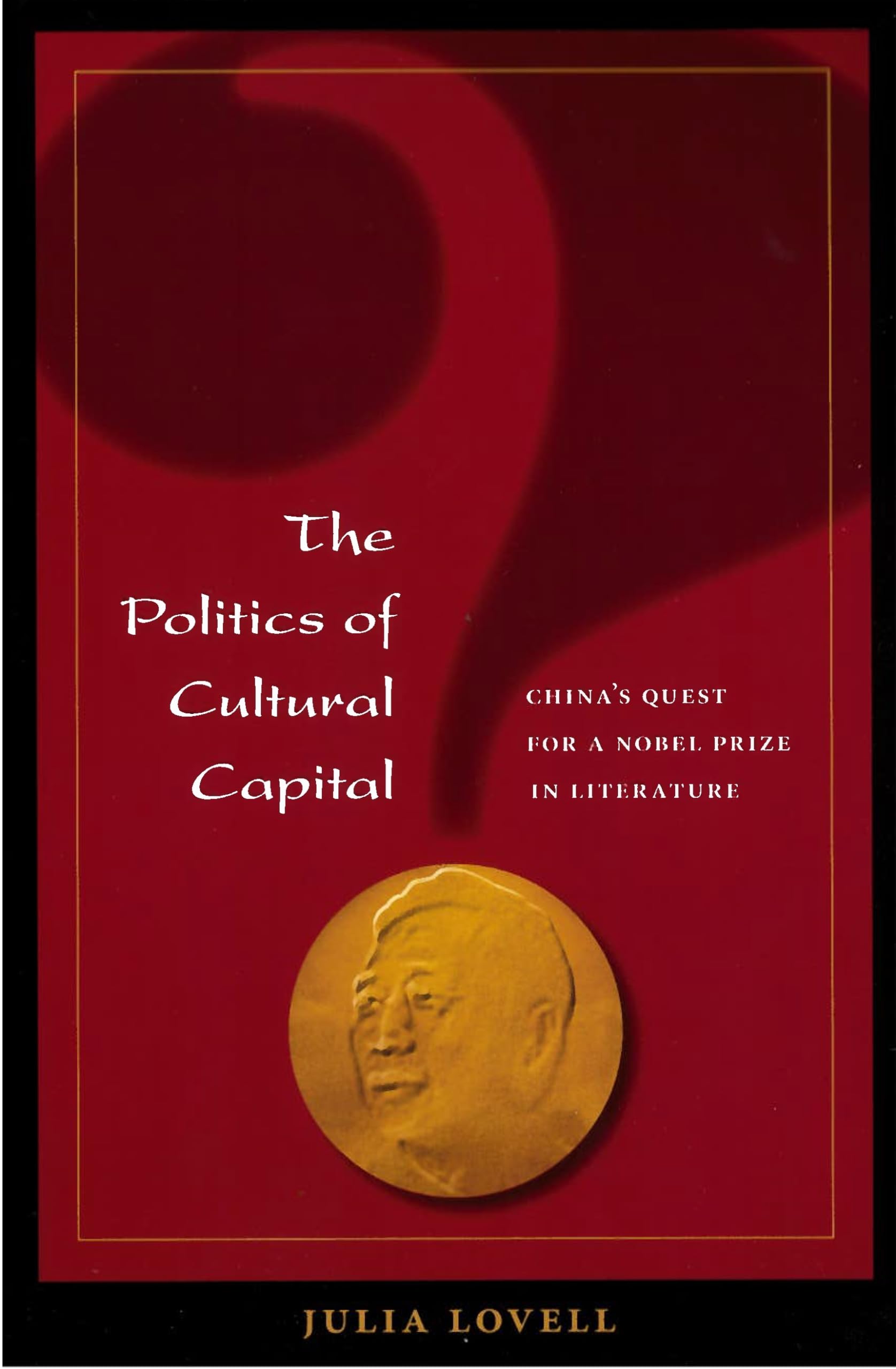
The Politics of Cultural Capital: China's Quest for a Nobel Prize in Literature,Used
Sold by Ergodebooks, an authorized reseller.
Returns accepted within 30 days | support@ergodebooks.com
Shipping Information
- Free Standard Shipping — United States only
- Processing Time: 3–5 business days
- Estimated Delivery: 6–10 business days after dispatch
- Double-boxed, fully insured & discreetly packaged
- Tracking number sent via email once dispatched
Returns & Refund
Returns accepted within 30 days of delivery.
Damaged or Defective Item
Free return shipping + replacement or full refund
Wrong Item Received
Free return shipping + replacement or full refund
Change of Mind
Return shipping at customer's expense · 25% restocking fee applies
Payment Option

In the 1980s Chinas politicians, writers, and academics began to raise an increasingly urgent question: why had a Chinese writer never won a Nobel Prize for literature? Promoted to the level of official policy issue and national complex, Nobel anxiety generated articles, conferences, and official delegations to Sweden. Exiled writer Gao Xingjians win in 2000 failed to satisfactorily end the matter, and the controversy surrounding the Nobel committees choice has continued to simmer.Julia Lovells comprehensive study of Chinas obsession spans the twentieth century and taps directly into the key themes of modern Chinese culture: national identity, international status, and the relationship between intellectuals and politics. The intellectual preoccupation with the Nobel literature prize expresses tensions inherent in Chinas move toward a global culture after the collapse of the Confucian worldview at the start of the twentieth century, and particularly since Chinas reentry into the world economy in the postMao era. Attitudes toward the prize reveal the same contradictory mix of admiration, resentment, and anxiety that intellectuals and writers have long felt toward Western values as they struggled to shape a modern Chinese identity. In short, the Nobel complex reveals the pressure points in an intellectual community not entirely sure of itself.Making use of extensive original research, including interviews with leading contemporary Chinese authors and critics, The Politics of Cultural Capital is a comprehensive, uptodate treatment of an issue that cuts to the heart of modern and contemporary Chinese thought and culture. It will be essential reading for scholars of modern Chinese literature and culture, globalization, postcolonialism, and comparative and world literature.
⚠️ WARNING (California Proposition 65):
This product may contain chemicals known to the State of California to cause cancer, birth defects, or other reproductive harm.
For more information, please visit www.P65Warnings.ca.gov.
- Q: How many pages does this book have? A: This book has two hundred eighty pages. It provides a comprehensive examination of China's cultural anxieties surrounding the Nobel Prize in Literature.
- Q: What are the dimensions of the book? A: The dimensions of the book are six inches in length, zero point five one inches in width, and eight point seven five inches in height. These measurements make it a convenient size for reading.
- Q: What type of binding does this book have? A: This book is paperback bound. This binding style is lightweight and flexible, ideal for easy handling.
- Q: Who is the author of this book? A: The author of this book is Dr. Julia Lovell. She is a renowned scholar in modern Chinese literature and culture.
- Q: What genre does this book belong to? A: This book belongs to the genre of non-fiction. It explores significant themes in modern Chinese culture and literature.
- Q: Is this book suitable for academic study? A: Yes, this book is suitable for academic study. It is essential reading for scholars of modern Chinese literature, globalization, and post-colonialism.
- Q: How does this book address the Nobel Prize issue? A: This book analyzes the historical and cultural implications of China's quest for a Nobel Prize in Literature. It provides context on the national identity and intellectual struggles within China.
- Q: What themes does this book explore? A: This book explores themes of national identity, international status, and the relationship between intellectuals and politics in China. These themes are crucial to understanding modern Chinese culture.
- Q: How can I keep this book in good condition? A: To keep this book in good condition, store it in a cool, dry place and avoid exposing it to direct sunlight. Handle the book gently to preserve its pages and binding.
- Q: Is there a specific way to clean this book? A: No, do not clean this book with liquids. Instead, use a soft, dry cloth to gently remove dust from its cover.
- Q: What should I do if my book arrives damaged? A: If your book arrives damaged, contact the seller or the publisher for return instructions. Be sure to keep the original packaging for any necessary returns.
- Q: Does this book have a return policy? A: Yes, this book typically has a return policy. Check the seller's return guidelines for specific details on how to initiate a return.
- Q: Can this book be used for a literature course? A: Yes, this book can be used for a literature course. It provides valuable insights into the cultural significance of literature in China.
- Q: What kind of research is included in this book? A: This book includes extensive original research and interviews with contemporary Chinese authors and critics. This research enriches the understanding of the Nobel complex in China.
- Q: Is this book recommended for general readers? A: Yes, this book is recommended for general readers interested in modern Chinese culture and literature. Its engaging writing style makes complex themes accessible.