
Title
The Politics Of Democratization In Korea (Political Science),Used
Sold by Ergodebooks, an authorized reseller.
Returns accepted within 30 days | support@ergodebooks.com
Shipping Information
- Free Standard Shipping — United States only
- Processing Time: 3–5 business days
- Estimated Delivery: 6–10 business days after dispatch
- Double-boxed, fully insured & discreetly packaged
- Tracking number sent via email once dispatched
Returns & Refund
Returns accepted within 30 days of delivery.
Damaged or Defective Item
Free return shipping + replacement or full refund
Wrong Item Received
Free return shipping + replacement or full refund
Change of Mind
Return shipping at customer's expense · 25% restocking fee applies
Payment Option

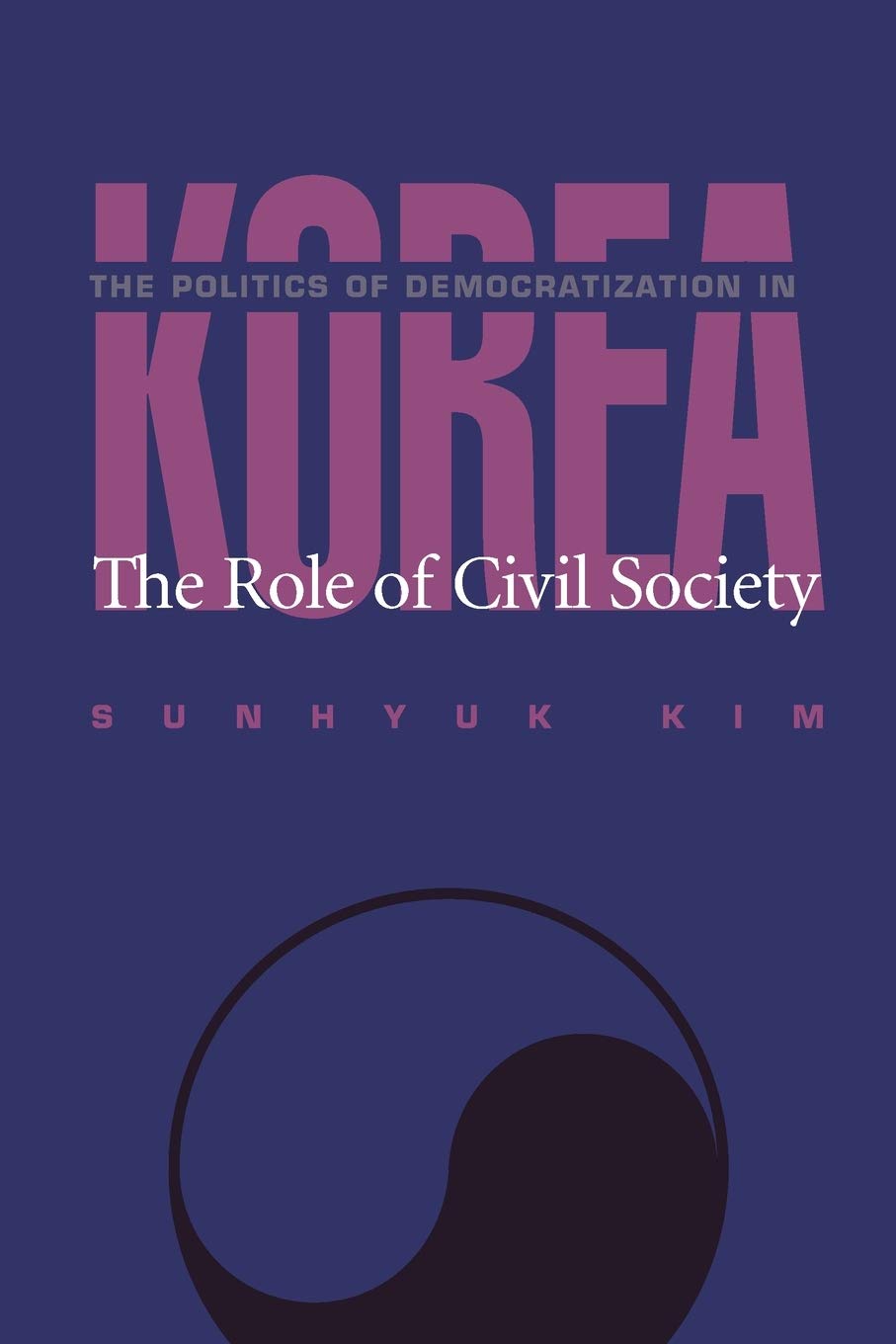
What role did civil society play in Korea's recent democratization? How does the Korean case compare with cases from other regions of the world? What is the current status of Korean democratic consolidation? What are the prospects for Korean democracy?In December 1997, for the first time in the history of South Korea (hereafter Korea), an opposition candidate was elected to the presidency. Korea became the first new democracy in Asia where a horizontal transfer of power occurred through the electoral process. Sunhyuk Kim's study of democratization in Korea argues that the momentum for political change in Korea has consistently emanated from oppositional civil society rather than from the state. He develops a civil society paradigm and utilizes Koreas three authoritarian breakdowns (only two of which resulted in democratic transitions) to illustrate the past and present influences of Korean civil society groups on authoritarian breakdowns, democratic transitions, and posttransition democratic consolidations.One of the first systematic attempts to apply a civil society framework to a democratizing country in East Asia, The Politics of Democratization in Korea will be of use to political scientists and advanced undergraduate and graduate students working in comparative politics, political theory, East Asian politics, and the politics of democratization.
⚠️ WARNING (California Proposition 65):
This product may contain chemicals known to the State of California to cause cancer, birth defects, or other reproductive harm.
For more information, please visit www.P65Warnings.ca.gov.