
Title
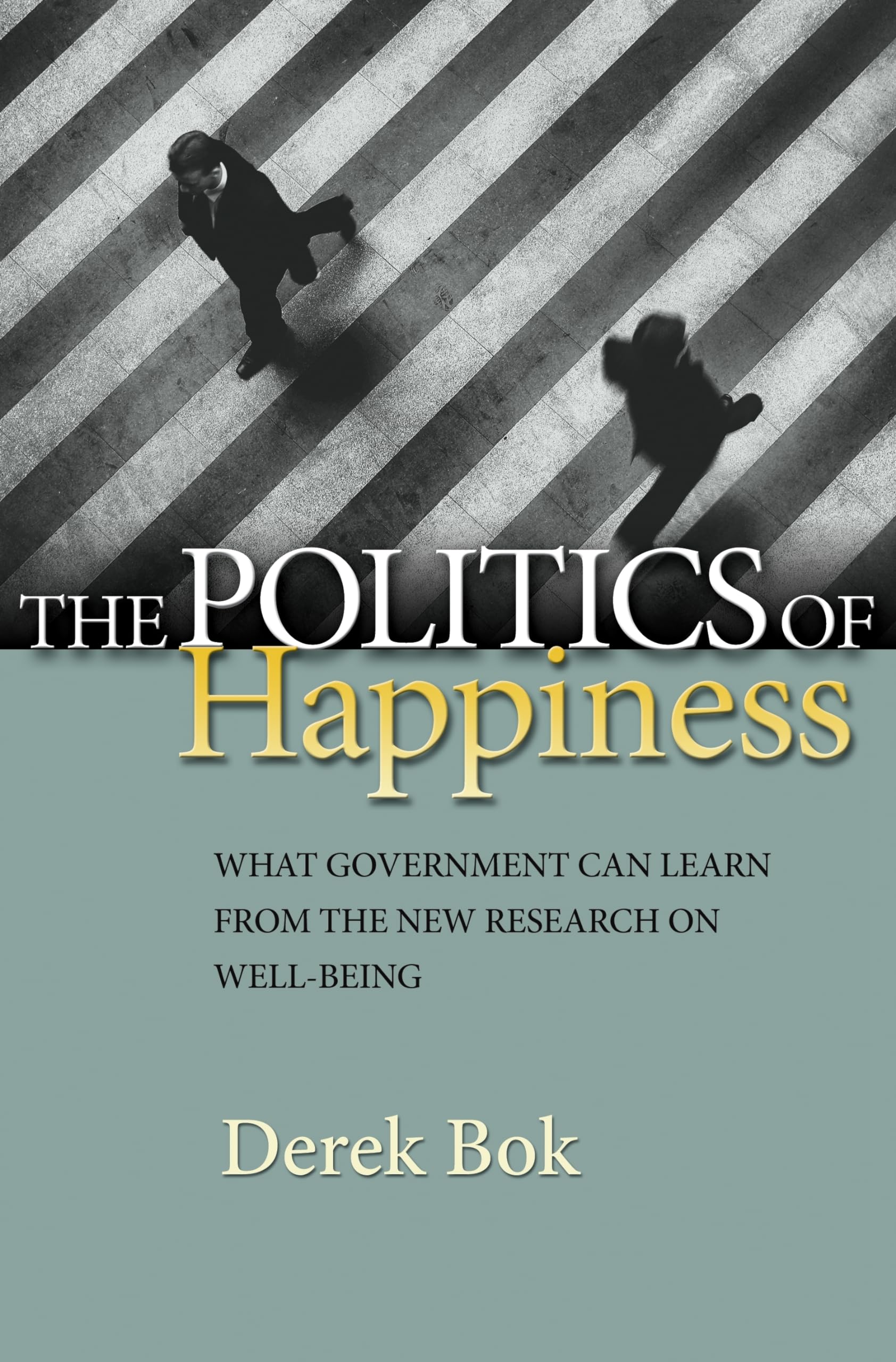
The Politics of Happiness: What Government Can Learn from the New Research on WellBeing,New
Sold by Ergodebooks, an authorized reseller.
Returns accepted within 30 days | support@ergodebooks.com
Shipping Information
- Free Standard Shipping — United States only
- Processing Time: 3–5 business days
- Estimated Delivery: 6–10 business days after dispatch
- Double-boxed, fully insured & discreetly packaged
- Tracking number sent via email once dispatched
Returns & Refund
Returns accepted within 30 days of delivery.
Damaged or Defective Item
Free return shipping + replacement or full refund
Wrong Item Received
Free return shipping + replacement or full refund
Change of Mind
Return shipping at customer's expense · 25% restocking fee applies
Payment Option

New insights into what makes people happy and how policymakers can foster greater satisfaction for allDuring the past forty years, thousands of studies have been carried out on the subject of happiness. Some have explored the levels of happiness or dissatisfaction associated with typical daily activities, such as working, seeing friends, or doing household chores. Others have tried to determine the extent to which income, family, religion, and other factors are associated with the satisfaction people feel about their lives. The Gallup organization has begun conducting global surveys of happiness, and several countries are considering publishing periodic reports on the growth or decline of happiness among their people. One nation, tiny Bhutan, has actually made 'Gross National Happiness' the central aim of its domestic policy. How might happiness research affect government policy in the United Statesand beyond? In The Politics of Happiness, former Harvard president Derek Bok examines how governments could use the rapidly growing research data on what makes people happyin a variety of policy areas to increase wellbeing and improve the quality of life for all their citizens.Bok first describes the principal findings of happiness researchers. He considers how reliable the results appear to be and whether they deserve to be taken into account in devising government policies. Recognizing both the strengths and weaknesses of happiness research, Bok looks at the policy implications for economic growth, equality, retirement, unemployment, health care, mental health, family programs, education, and government quality, among other subjects. Timely and incisive, The Politics of Happiness sheds new light on what makes people happy and how government policy could foster greater satisfaction for all.
⚠️ WARNING (California Proposition 65):
This product may contain chemicals known to the State of California to cause cancer, birth defects, or other reproductive harm.
For more information, please visit www.P65Warnings.ca.gov.