
Title

The Politics of Paul Robeson's Othello (Margaret Walker Alexander Series in African American Studies),Used
Sold by Ergodebooks, an authorized reseller.
Returns accepted within 30 days | support@ergodebooks.com
Shipping Information
- Free Standard Shipping — United States only
- Processing Time: 3–5 business days
- Estimated Delivery: 6–10 business days after dispatch
- Double-boxed, fully insured & discreetly packaged
- Tracking number sent via email once dispatched
Returns & Refund
Returns accepted within 30 days of delivery.
Damaged or Defective Item
Free return shipping + replacement or full refund
Wrong Item Received
Free return shipping + replacement or full refund
Change of Mind
Return shipping at customer's expense · 25% restocking fee applies
Payment Option

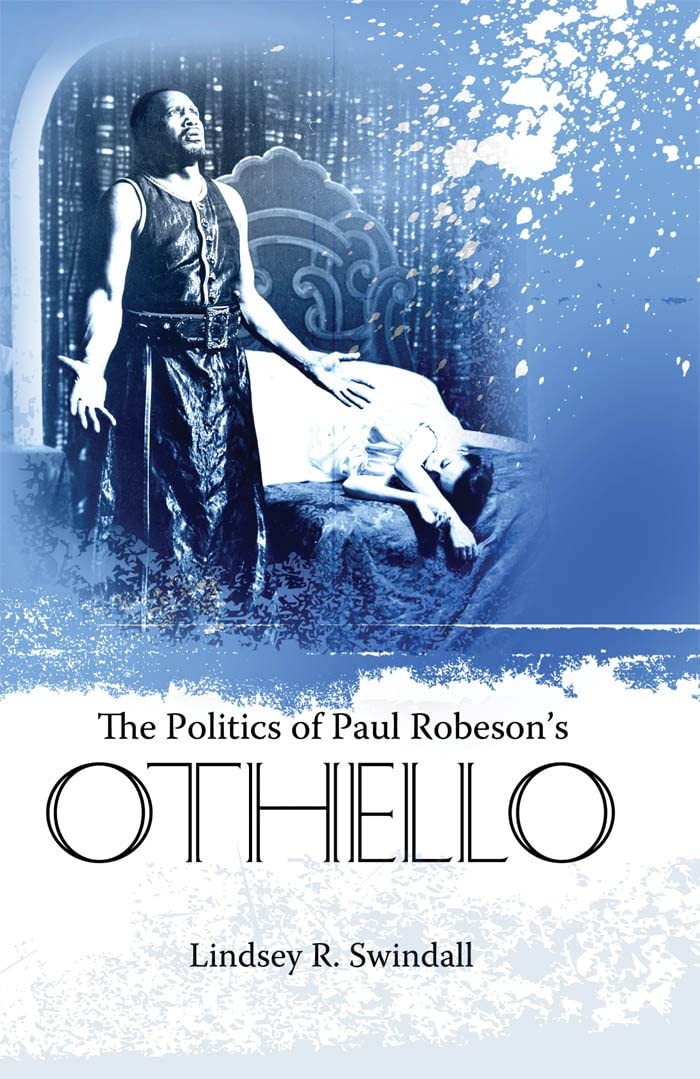
Lindsey R. Swindall examines the historical and political context of acclaimed African American actor Paul Robeson's three portrayals of Shakespeare's Othello in the United Kingdom and the United States. These performances took place in London in 1930, on Broadway in 1943, and in StratforduponAvon in 1959. All three of the productions, when considered together, provide an intriguing glimpse into Robeson's artistry as well as his political activism.The Politics of Paul Robeson's Othello maintains that Robeson's development into a politically minded artist explicates the broader issue of the role of the African American artist in times of crisis. Robeson (18981976) fervently believed that political engagement was an inherent component of the role of the artist in society, and his performances demonstrate this conviction.In the 1930 production, audiences and critics alike confronted the question: Should a black actor play Othello in an otherwise allwhite cast? In the 1943 production on Broadway, Robeson consciously used the role as a form for questioning theater segregation both onstage and in the seats. In 1959, after he had become well known for his leftist views and sympathies with Communism, his performance in a major StratforduponAvon production called into question whether audiences could accept onstage an African American who held radicaland increasingly unpopularpolitical views. Swindall thoughtfully uses Robeson's Othello performances as a collective lens to analyze the actor and activist's political and intellectual development.
⚠️ WARNING (California Proposition 65):
This product may contain chemicals known to the State of California to cause cancer, birth defects, or other reproductive harm.
For more information, please visit www.P65Warnings.ca.gov.