
Title
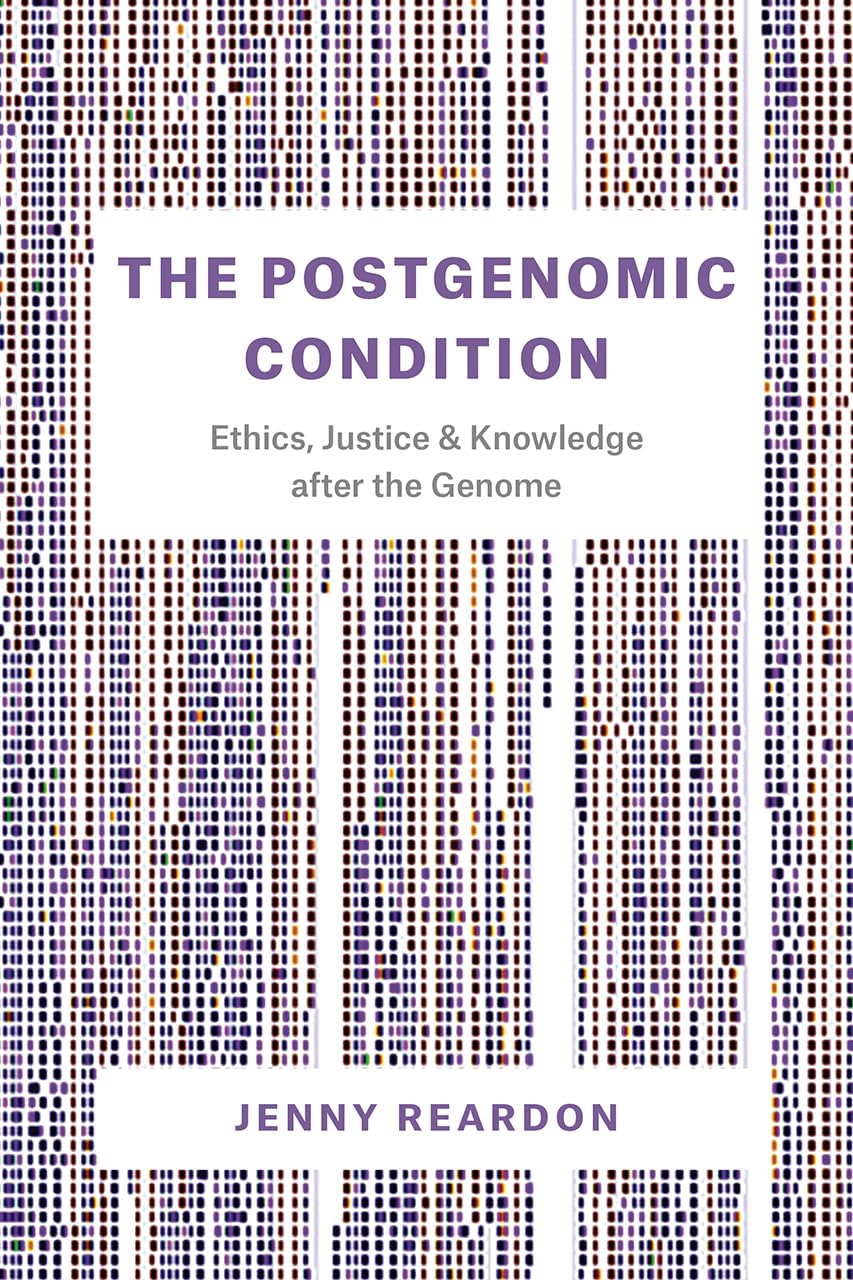
The Postgenomic Condition: Ethics, Justice, and Knowledge after the Genome,Used
Sold by Ergodebooks, an authorized reseller.
Returns accepted within 30 days | support@ergodebooks.com
Shipping Information
- Free Standard Shipping — United States only
- Processing Time: 3–5 business days
- Estimated Delivery: 6–10 business days after dispatch
- Double-boxed, fully insured & discreetly packaged
- Tracking number sent via email once dispatched
Returns & Refund
Returns accepted within 30 days of delivery.
Damaged or Defective Item
Free return shipping + replacement or full refund
Wrong Item Received
Free return shipping + replacement or full refund
Change of Mind
Return shipping at customer's expense · 25% restocking fee applies
Payment Option

Now that we have sequenced the human genome, what does it mean? In The Postgenomic Condition, Jenny Reardon critically examines the decade after the Human Genome Project, and the fundamental questions about meaning, value and justice this landmark achievement left in its wake.Drawing on more than a decade of researchin molecular biology labs, commercial startups, governmental agencies, and civic spacesReardon demonstrates how the extensive efforts to transform genomics from high tech informatics practiced by a few to meaningful knowledge beneficial to all exposed the limits of longcherished liberal modes of knowing and governing life. Those in the American South challenged the value of being included in genomics when no hospital served their community. Ethicists and lawyers charged with overseeing Scottish DNA and data questioned how to develop a system of ownership for these resources when their capacity to create things of valuenew personalized treatmentsremained largely unrealized. Molecular biologists who pioneered genomics asked whether their practices of thinking could survive the deluge of data produced by the growing power of sequencing machines. While the media is filled with grand visions of precision medicine, The Postgenomic Condition shares these actual challenges of the scientists, entrepreneurs, policy makers, bioethicists, lawyers, and patient advocates who sought to leverage liberal democratic practices to render genomic data a new source of meaning and value for interpreting and caring for life. It brings into rich empirical focus the resulting hard ontheground questions about how to know and live on a depleted but datarich, interconnected yet fractured planet, where technoscience garners significant resources, but deeper questions of knowledge and justice urgently demand attention.
⚠️ WARNING (California Proposition 65):
This product may contain chemicals known to the State of California to cause cancer, birth defects, or other reproductive harm.
For more information, please visit www.P65Warnings.ca.gov.