
Title
The Postsouthern Sense Of Place In Contemporary Fiction (Southern Literary Studies),Used
Sold by Ergodebooks, an authorized reseller.
Returns accepted within 30 days | support@ergodebooks.com
Shipping Information
- Free Standard Shipping — United States only
- Processing Time: 3–5 business days
- Estimated Delivery: 6–10 business days after dispatch
- Double-boxed, fully insured & discreetly packaged
- Tracking number sent via email once dispatched
Returns & Refund
Returns accepted within 30 days of delivery.
Damaged or Defective Item
Free return shipping + replacement or full refund
Wrong Item Received
Free return shipping + replacement or full refund
Change of Mind
Return shipping at customer's expense · 25% restocking fee applies
Payment Option

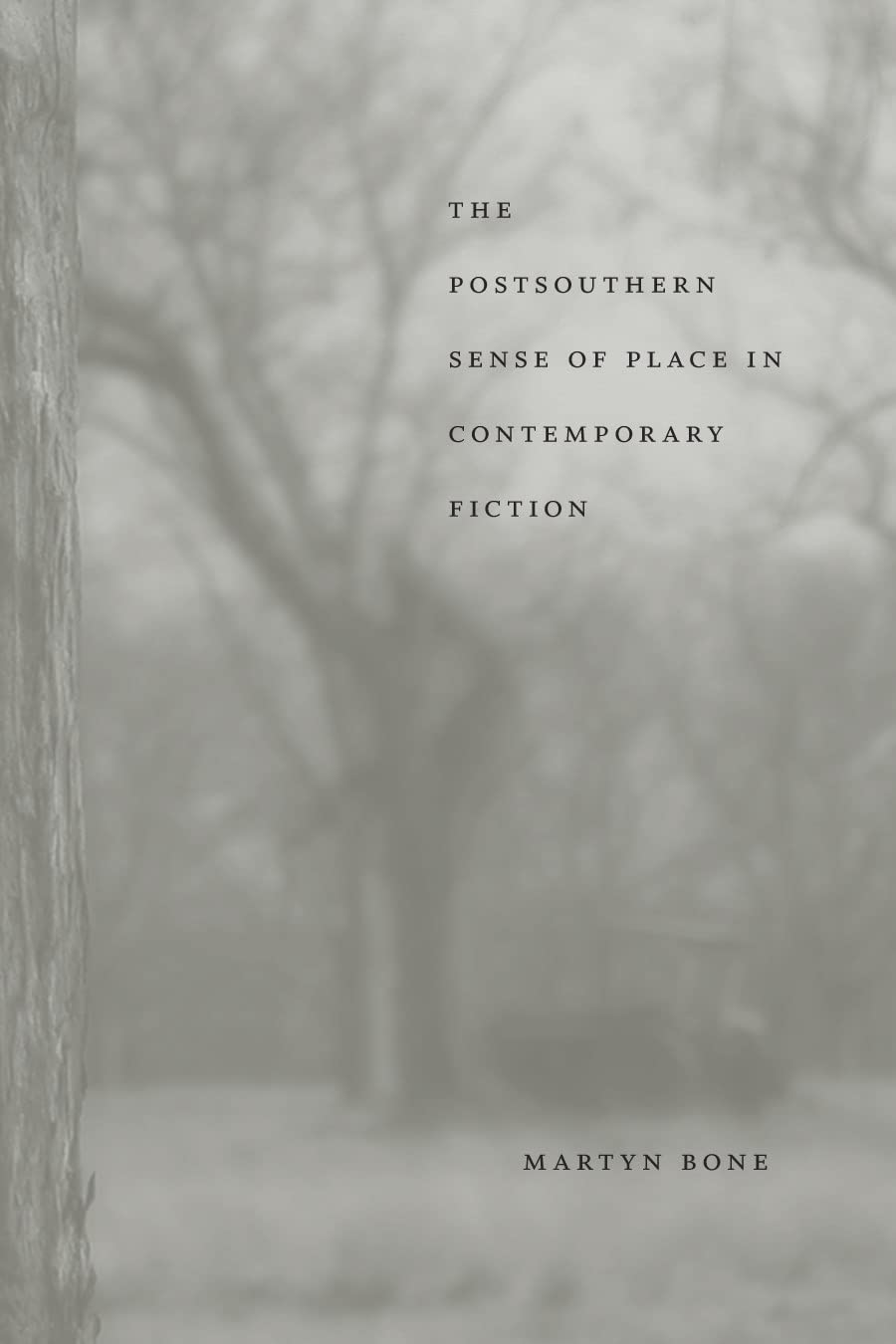
For generations, southern novelists and critics have grappled with a concept that is widely seen as a trademark of their literature: a strong attachment to geography, or a 'sense of place.' In the 1930s, the Agrarians accorded special meaning to rural life, particularly the farm, in their definitions of southern identity. For them, the South seemed an organic and rooted region in contrast to the North, where real estate development and urban sprawl evoked a faceless, raw capitalism. By the end of the twentieth century, however, economic and social forces had converged to create a modernized South. How have writers responded to this phenomenon? Is there still a sense of place in the South, or perhaps a distinctly postsouthern sense of place?Martyn Bone innovatively draws upon postmodern thinking to consider the various perspectives that southern writers have brought to the concept of 'place' and to look at its fate in a national and global context. He begins with a revisionist assessment of the Agrarians, who failed in their attempts to turn their proprietary ideal of the small farm into actual policy but whose broader rural aesthetic lived on in the work of neoAgrarian writers, including William Faulkner and Eudora Welty. By the 1950s, adherence to this aesthetic was causing southern writers and critics to lose sight of the social reality of a changing South.Bone turns to more recent works that do respond to the impact of capitalist spatial development on the South and on the nation generally including that selfdeclared 'international city' Atlanta. Close readings of novels by Robert Penn Warren, Walker Percy, Richard Ford, Anne Rivers Siddons, Tom Wolfe, and Toni Cade Bambara illuminate evolving ideas about capital, land, labor, and class while introducing southern literary studies into wider debates around social, cultural, and literary geography. Bone concludes his remarkably rich book by considering works of Harry Crews and Barbara Kingsolver that suggest the southern sense of place may be not only postAgrarian or postsouthern but also transnational.
⚠️ WARNING (California Proposition 65):
This product may contain chemicals known to the State of California to cause cancer, birth defects, or other reproductive harm.
For more information, please visit www.P65Warnings.ca.gov.