
Title
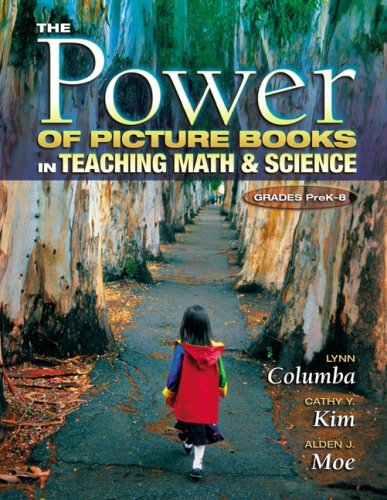
The Power Of Picture Books In Teaching Math And Science,Used
Sold by Ergodebooks, an authorized reseller.
Returns accepted within 30 days | support@ergodebooks.com
Shipping Information
- Free Standard Shipping — United States only
- Processing Time: 3–5 business days
- Estimated Delivery: 6–10 business days after dispatch
- Double-boxed, fully insured & discreetly packaged
- Tracking number sent via email once dispatched
Returns & Refund
Returns accepted within 30 days of delivery.
Damaged or Defective Item
Free return shipping + replacement or full refund
Wrong Item Received
Free return shipping + replacement or full refund
Change of Mind
Return shipping at customer's expense · 25% restocking fee applies
Payment Option

Chapter 1 says: 'A good story is creative, suspenseful, imaginative, meaningful, humorous, adventurous, vivid and colorful, mysterious, engaging, emotional, inspirational, and easy to understand . . . . A good story also puts the readers inside the story, and makes it easier for them to think about difficult and complex issues.'This book's 50 lessons, each based on a different picture book or story, will build a foundation for teaching math and science concepts to students and will encourage students to engage with these content area subjects. The authors selected these specific books because of the power they possess to add relevance, excitement, and clarity to these subjects. Each lesson includes the suggested grade level, math or science standards addressed, objectives, materials needed, and suggestions for assessment. The directions and procedures for teaching these lessons are clear and well developed, making them easy to implement. The section Making Connections at the end of each lesson lists useful, related books and websites. In this book, the authors explore why we should use stories to teachthey show us how to use the power of stories to help students develop into readers, writers, and lifelong learners. They address national standards and explain how these standards can be met using children's literature in the classroom. The authors also describe how to select quality books, taking into consideration purpose, audience, and content. Use these lessons to create engaging learning opportunities with children's literature at their core. In doing so, you will motivate your students to learn.
⚠️ WARNING (California Proposition 65):
This product may contain chemicals known to the State of California to cause cancer, birth defects, or other reproductive harm.
For more information, please visit www.P65Warnings.ca.gov.