
Title

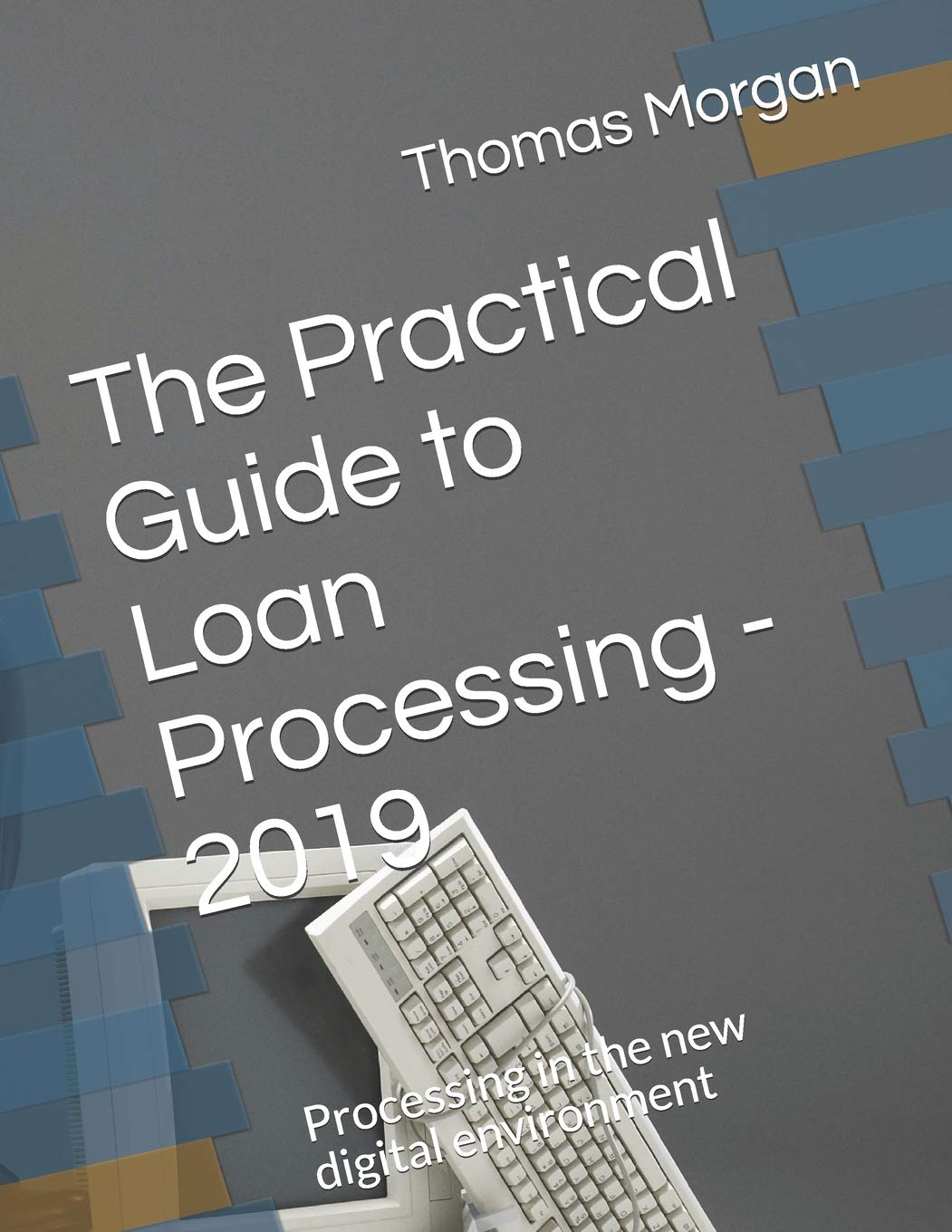
The Practical Guide to Loan Processing 2019: Processing in today's digital environment (The Practical Guide to Finance Series),Used
Sold by Ergodebooks, an authorized reseller.
Returns accepted within 30 days | support@ergodebooks.com
Shipping Information
- Free Standard Shipping — United States only
- Processing Time: 3–5 business days
- Estimated Delivery: 6–10 business days after dispatch
- Double-boxed, fully insured & discreetly packaged
- Tracking number sent via email once dispatched
Returns & Refund
Returns accepted within 30 days of delivery.
Damaged or Defective Item
Free return shipping + replacement or full refund
Wrong Item Received
Free return shipping + replacement or full refund
Change of Mind
Return shipping at customer's expense · 25% restocking fee applies
Payment Option

Most mortgage companies and referral sources correctly believe that they live and die based on customer service and service delivery. The loan originator is a big part of this, in that he or she is responsible for taking a good application to start with. But while the loan officer is the customers representative, the processor ultimately has his or her hands on the loan file; only the processor can see the file as it progresses and fully understand the realtime status of a loan and work to move towards closing. Beginning in 2006, the mortgage industry began to experience an upheaval that would ultimately bring the financial system to its knees. This meant that many mortgage lenders, who previously could casually package loan applications, became forced to diligently meet the most stringent guidelines and documentation requirements seen since the late sixties. The capabilities necessary to meet these stringent documentation requirements come from a qualified mortgage loan processor who, in addition to an eye for detail, has the skills and knowledge that encompass the entire mortgage process.Despite years of automation improvements, the biggest problem mortgage companies report with respect to their operations is incomplete or problematic loan documentation. This is where the human factor in the application process impacts us, because we are relying on people borrowers, real estate agents, closing agents and loan officers to provide what we need to complete the loan. The reader learns the functions, challenges and career path of the processing position. Detailed, stepbystep instructions cover loan intake, loan file setup, regulatory disclosure requirements, vendor management, file status reporting, borrower communication, file readiness determination, preunderwriting review, working with automated underwriting, satisfying loan stipulations, preclosing preparation, and file audit preparation. It's important to note that many textbooks address compliance in the mortgage industry. This text is not intended as a compliance resource. Compliance resources should come from your company since the company determines its own policies for compliance.
⚠️ WARNING (California Proposition 65):
This product may contain chemicals known to the State of California to cause cancer, birth defects, or other reproductive harm.
For more information, please visit www.P65Warnings.ca.gov.