If you have any questions, you are always welcome to contact us. We'll get back to you as soon as possible, withing 24 hours on weekdays.
Customer service
All questions about your order, return and delivery must be sent to our customer service team by e-mail at yourstore@yourdomain.com
Sale & Press
If you are interested in selling our products, need more information about our brand or wish to make a collaboration, please contact us at press@yourdomain.com
Help
If you have any questions, you are always welcome to contact us. We'll get back to you as soon as possible, withing 24 hours on weekdays.
Customer service
All questions about your order, return and delivery must be sent to our customer service team by e-mail at yourstore@yourdomain.com
Sale & Press
If you are interested in selling our products, need more information about our brand or wish to make a collaboration, please contact us at press@yourdomain.com
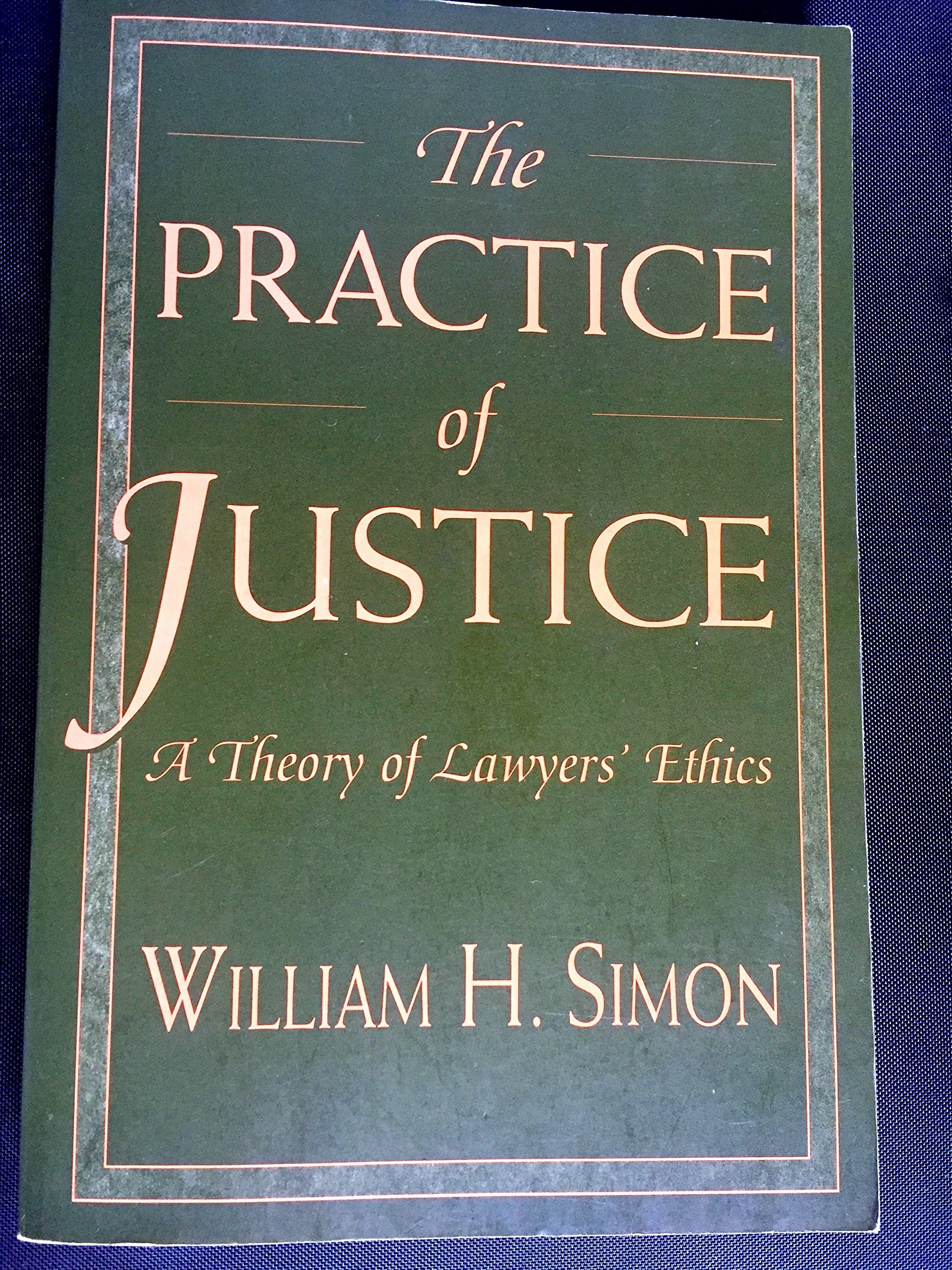
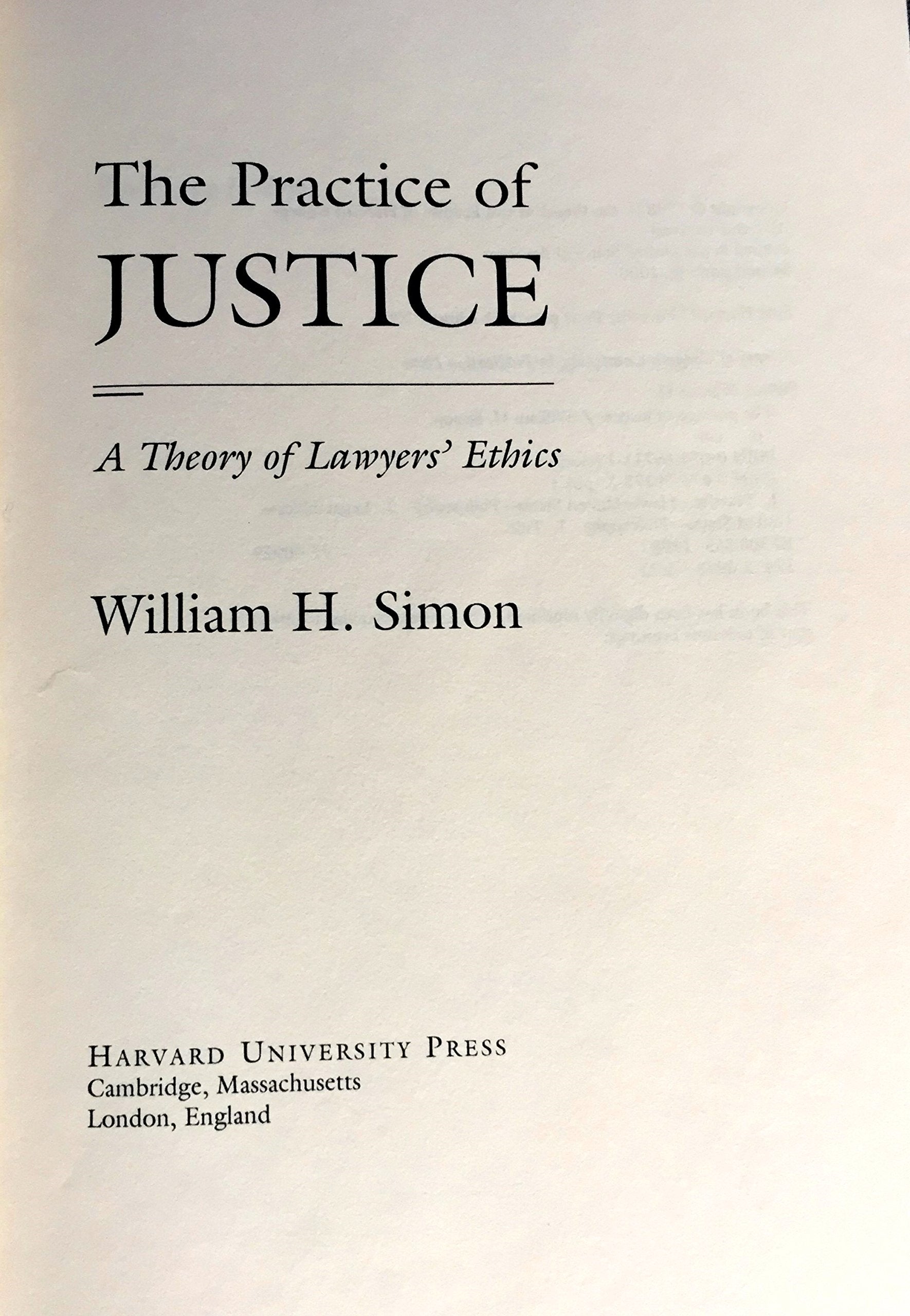
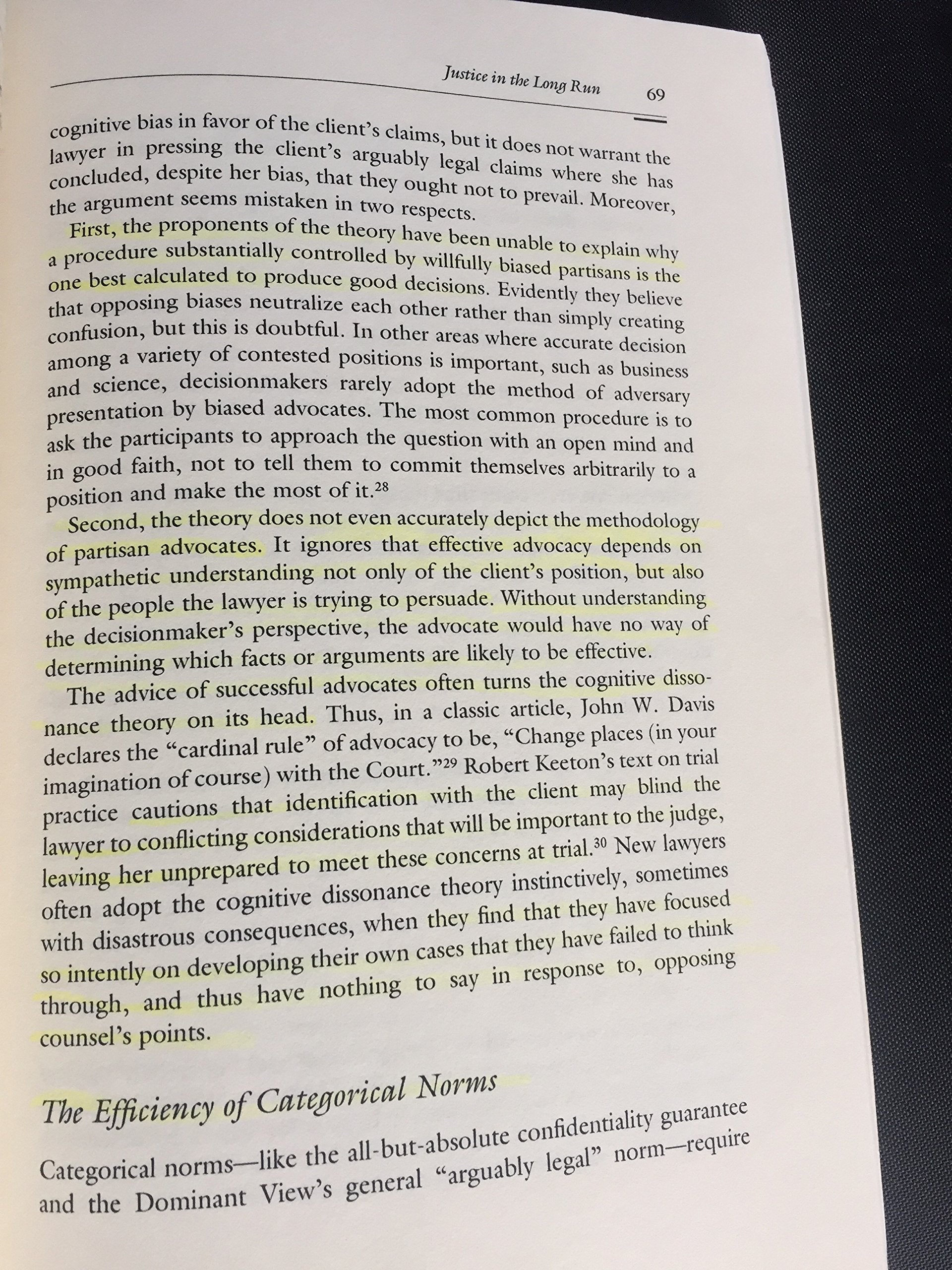
Should a lawyer keep a client's secrets even when disclosure would exculpate a person wrongly accused of a crime? To what extent should a lawyer exploit loopholes in ways that enable clients to gain unintended advantages? When can lawyers justifiably make procedural maneuvers that defeat substantive rights? The Practice of Justice is a fresh look at these and other traditional questions about the ethics of lawyering. William Simon, a legal theorist with extensive experience in practice, charges that the profession's standard approach to these questions is incoherent and implausible.At the same time, Simon rejects the ethical approaches most frequently proposed by the profession's critics. The problem, he insists, does not lie in the profession's commitment to legal values over those of ordinary morality. Nor does it arise from the adversary system. Rather, Simon shows that the critical weakness of the standard approach is its reliance on a distinctive style of judgmentcategorical, rulebound, rigidthat is both ethically unattractive and rejected by most modern legal thought outside the realm of legal ethics. He develops an alternative approach based on a different, more contextual, style of judgment widely accepted in other areas of legal thought.The author enlivens his argument with discussions of actual cases, including the Lincoln Savings and Loan scandal and the Leo Frank murder trial, as well as fictional accounts of lawyering, including Kafka's The Trial and the movie The Verdict.
⚠️ WARNING (California Proposition 65):
This product may contain chemicals known to the State of California to cause cancer,
birth defects, or other reproductive harm.
For MAP (Minimum Advertised Price) violations and Intellectual Property (IP) or Trademark concerns, please contact:
support@ergodebooks.com
⚠️ California Proposition 65 Warning: Some products sold on this website may expose you to chemicals known to the State of California to cause cancer, birth defects, or other reproductive harm. For more information, visit www.P65Warnings.ca.gov.