
Title
The Practice of Organizational Diagnosis: Theory and Methods,Used
Sold by Ergodebooks, an authorized reseller.
Returns accepted within 30 days | support@ergodebooks.com
Shipping Information
- Free Standard Shipping — United States only
- Processing Time: 3–5 business days
- Estimated Delivery: 6–10 business days after dispatch
- Double-boxed, fully insured & discreetly packaged
- Tracking number sent via email once dispatched
Returns & Refund
Returns accepted within 30 days of delivery.
Damaged or Defective Item
Free return shipping + replacement or full refund
Wrong Item Received
Free return shipping + replacement or full refund
Change of Mind
Return shipping at customer's expense · 25% restocking fee applies
Payment Option

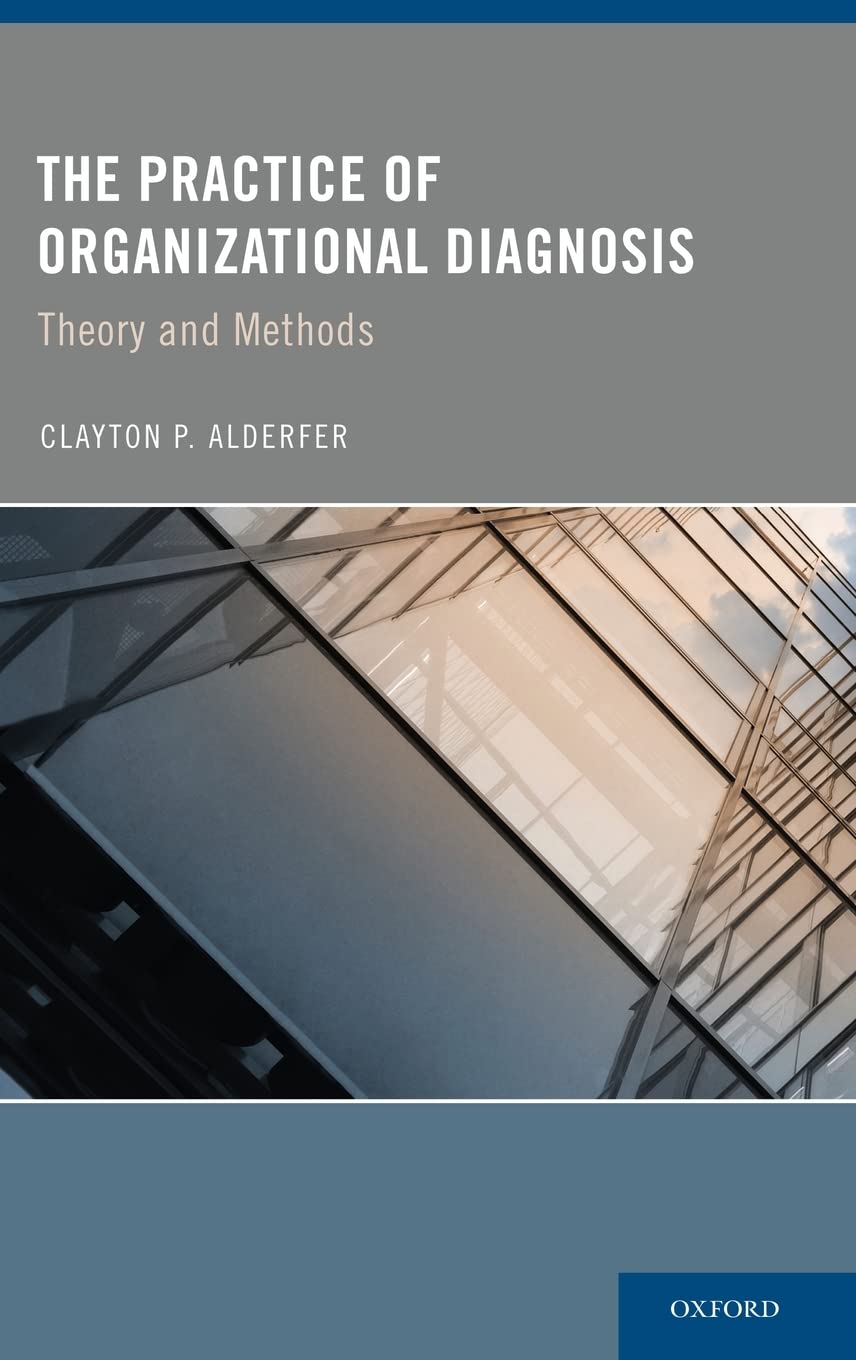
The Practice of Organizational Diagnosis: Theory & Methods presents a new paradigm for examining the intergroup dynamics of organizations by combining the procedures of organizational diagnosis with the theory of embedded intergroup relations. In this volume, Alderfer explains the relevance of the paradigm concept for the present work, shows the importance of intergroup relations in the formative organization studies, reviews extant modes of organizational diagnosis, and demonstrates the limitations of interpersonal and intragroup theories. He then presents the five laws of embedded intergroup relations as a response to the problems associated with the earlier work. After comparing and contrasting alterative group level theories and explaining the several meanings of empirical support, the author describes the empirical basis of the five laws. Based on examining alternative codes of professional conduct and applying the five laws, he provides his prescriptions for the ethical basis of sound diagnostic practice. With the theory and ethical position in place, he then explains procedures for conducting each phase of organizational diagnosis: entry, data collection, data analysis, and feedback. He follows that by reporting the empirical bases for the methods used in the four phases. The volume concludes by describing the courses and educational processes essential for educating people to conduct organizational diagnoses. A recurring theme from beginning to end is that the lawfulness of human behavior in relation to organizations is as applicable to diagnosticians, whether working alone or in teams, as it is to their clients. By addressing theory, method, data, and values, the volume presents a complete paradigm for organizational diagnosis.
⚠️ WARNING (California Proposition 65):
This product may contain chemicals known to the State of California to cause cancer, birth defects, or other reproductive harm.
For more information, please visit www.P65Warnings.ca.gov.