
Title
The Prehistory Of The Silk Road (Encounters With Asia),Used
Sold by Ergodebooks, an authorized reseller.
Returns accepted within 30 days | support@ergodebooks.com
Shipping Information
- Free Standard Shipping — United States only
- Processing Time: 3–5 business days
- Estimated Delivery: 6–10 business days after dispatch
- Double-boxed, fully insured & discreetly packaged
- Tracking number sent via email once dispatched
Returns & Refund
Returns accepted within 30 days of delivery.
Damaged or Defective Item
Free return shipping + replacement or full refund
Wrong Item Received
Free return shipping + replacement or full refund
Change of Mind
Return shipping at customer's expense · 25% restocking fee applies
Payment Option

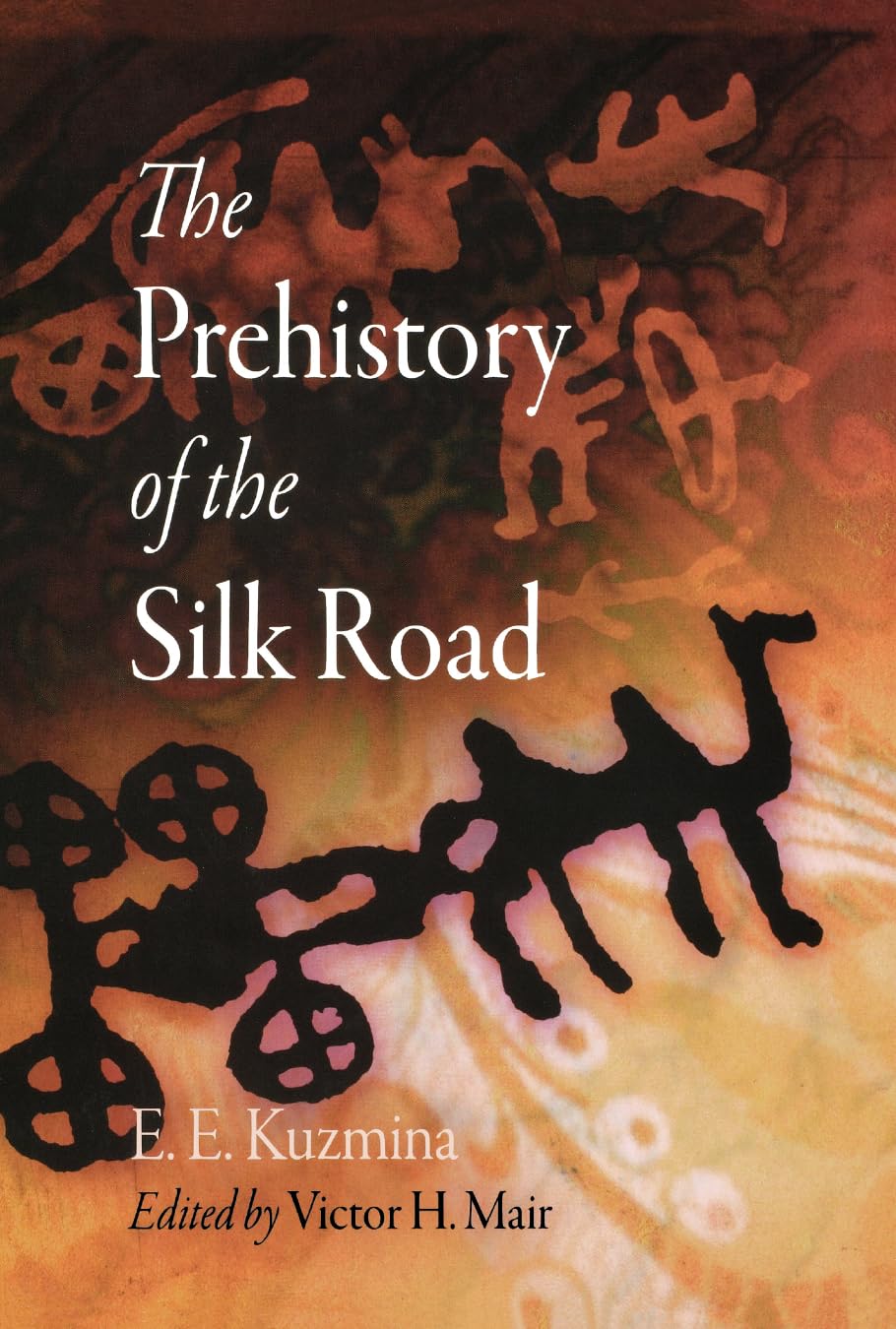
In ancient and medieval times, the Silk Road was of great importance to the transport of peoples, goods, and ideas between the East and the West. A vast network of trade routes, it connected the diverse geographies and populations of China, the Eurasian Steppe, Central Asia, India, Western Asia, and Europe. Although its main use was for importing silk from China, traders moving in the opposite direction carried to China jewelry, glassware, and other exotic goods from the Mediterranean, jade from Khotan, and horses and furs from the nomads of the Steppe. In both directions, technology and ideologies were transmitted. The Silk Road brought together the achievements of the different peoples of Eurasia to advance the Old World as a whole.The majority of the Silk Road routes passed through the Eurasian Steppe, whose nomadic people were participants and mediators in its economic and cultural exchanges. Until now, the origins of these routes and relationships have not been examined in great detail. In The Prehistory of the Silk Road, E. E. Kuzmina, renowned Russian archaeologist, looks at the history of this crucial area before the formal establishment of Silk Road trade and diplomacy. From the late Neolithic period to the early Bronze Age, Kuzmina traces the evolution of the material culture of the Steppe and the contact between civilizations that proved critical to the development of the widespread trade that would follow, including nomadic migrations, the domestication and use of the horse and the camel, and the spread of wheeled transport.The Prehistory of the Silk Road combines detailed research in archaeology with evidence from physical anthropology, linguistics, and other fields, incorporating both primary and secondary sources from a range of languages, including a vast accumulation of Russianlanguage scholarship largely untapped in the West. The book is complemented by an extensive bibliography that will be of great use to scholars.
⚠️ WARNING (California Proposition 65):
This product may contain chemicals known to the State of California to cause cancer, birth defects, or other reproductive harm.
For more information, please visit www.P65Warnings.ca.gov.