
Title
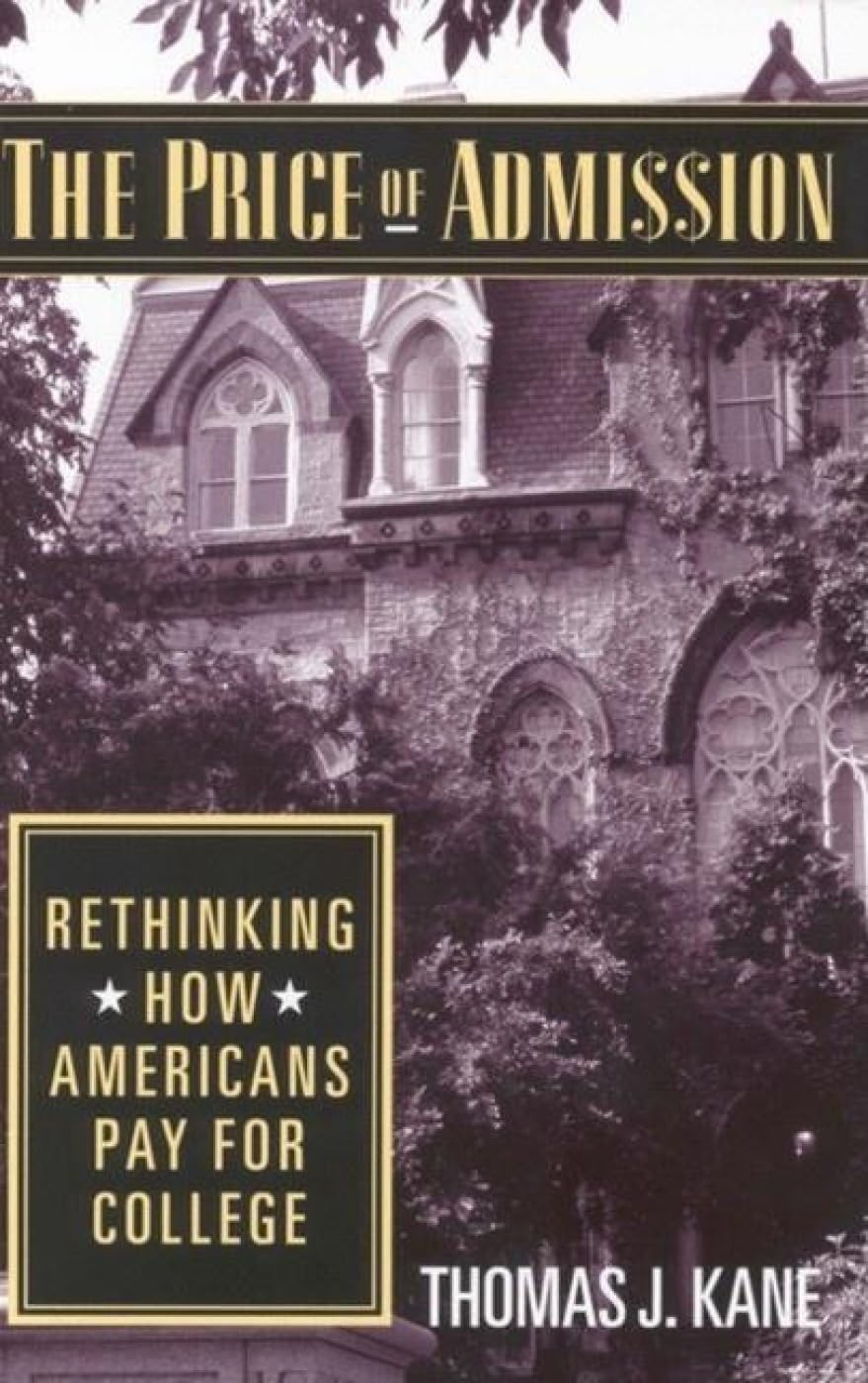
The Price Of Admission: Rethinking How Americans Pay For College,New
Sold by Ergodebooks, an authorized reseller.
Returns accepted within 30 days | support@ergodebooks.com
Shipping Information
- Free Standard Shipping — United States only
- Processing Time: 3–5 business days
- Estimated Delivery: 6–10 business days after dispatch
- Double-boxed, fully insured & discreetly packaged
- Tracking number sent via email once dispatched
Returns & Refund
Returns accepted within 30 days of delivery.
Damaged or Defective Item
Free return shipping + replacement or full refund
Wrong Item Received
Free return shipping + replacement or full refund
Change of Mind
Return shipping at customer's expense · 25% restocking fee applies
Payment Option

Over The Past Fifteen Years, A College Education Has Become Increasingly Valuable In The Labor Market. As A Result, The Stakes Have Been Raised In The Debate Over College Admissions And Student Financial Aid. With The Gap In College Enrollment Widening By Family Income, The Time Has Come To Examine The Strengths And Weaknesses Of The American System For Financing Higher Education And To Rethink Its Structure From The Ground Up. This Book Begins With An Overview Of The Many Indirect Ways In Which Americans Pay For Collegeas Taxpayers, Students, And Parentsand Describes The Sometimes Perverse Ways In Which State And Federal Financial Aid Policies Interact. Thomas J. Kane Evaluates Alternative Explanations For The Rise In Public And Private College Costsweighing The Role Of Federal Financial Aid Policy, Higher Input Costs, And Competitive Pressures On Individual Colleges. He Analyzes How Far We Have Come In Ensuring Access To All. Evidence Suggests That Large Differences In College Enrollment Remain Between High And Low Income Students, Even Those With Similar Test Scores And Attending The Same High Schools. Kane Promotes A Package Of Reforms Intended To Squeeze More Social Bang From The Many Public Bucks Devoted To Higher Education. For Example, He Advocates ''Frontloading'' The Pell Grant Program, Limiting Eligibility To Those In Their First Two Years Of College, And Providing A Larger Share Of Federal Subsidies By Assessing Student Resources After College Rather Than Evaluating A Single Year Of Parents Income And Assets Before College. Copublished With The Russell Sage Foundation'
⚠️ WARNING (California Proposition 65):
This product may contain chemicals known to the State of California to cause cancer, birth defects, or other reproductive harm.
For more information, please visit www.P65Warnings.ca.gov.