
Title
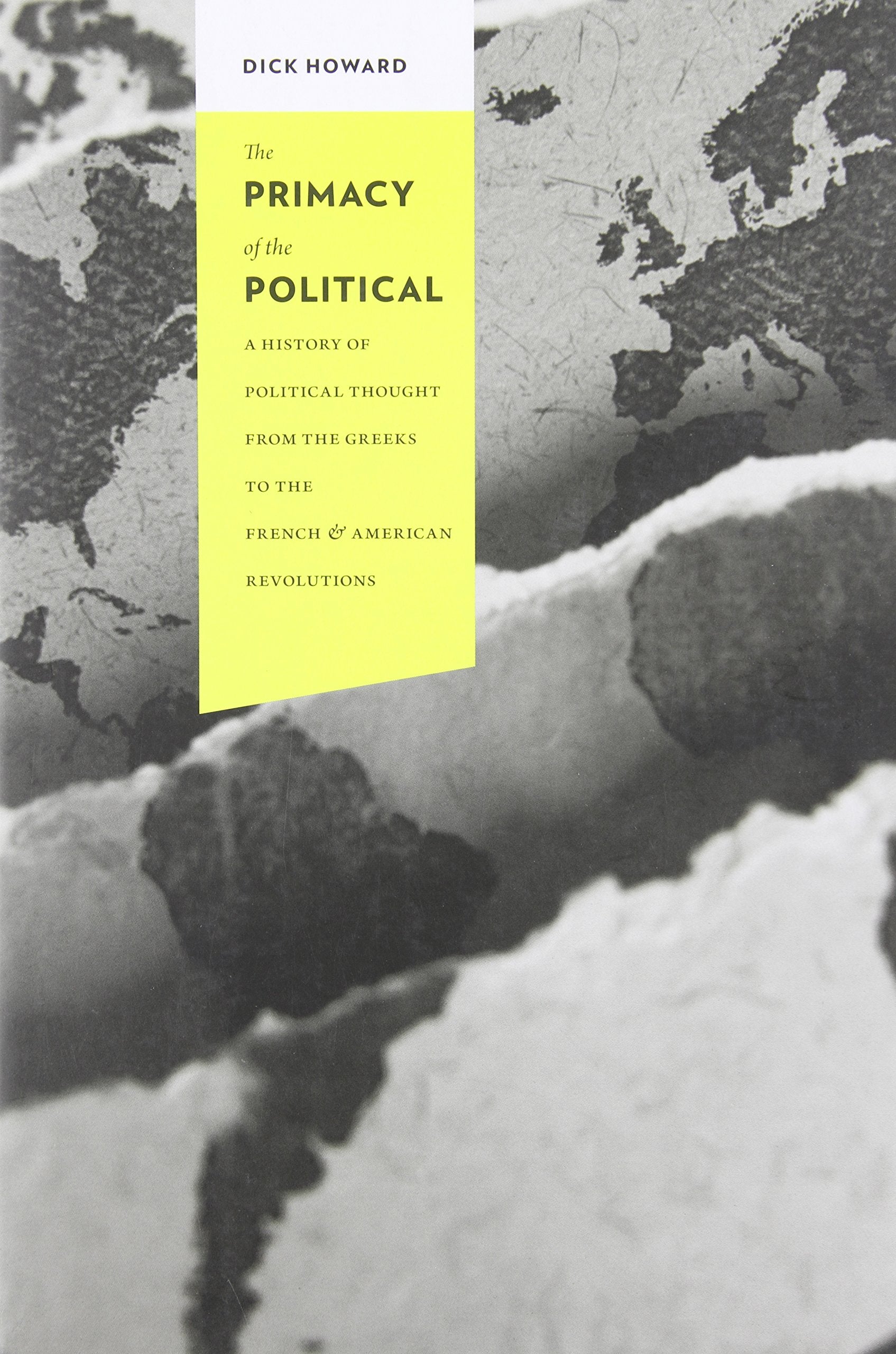
The Primacy Of The Political: A History Of Political Thought From The Greeks To The French And American Revolutions (Columbia St
Sold by Ergodebooks, an authorized reseller.
Returns accepted within 30 days | support@ergodebooks.com
Shipping Information
- Free Standard Shipping — United States only
- Processing Time: 3–5 business days
- Estimated Delivery: 6–10 business days after dispatch
- Double-boxed, fully insured & discreetly packaged
- Tracking number sent via email once dispatched
Returns & Refund
Returns accepted within 30 days of delivery.
Damaged or Defective Item
Free return shipping + replacement or full refund
Wrong Item Received
Free return shipping + replacement or full refund
Change of Mind
Return shipping at customer's expense · 25% restocking fee applies
Payment Option

The conflict between politics and antipolitics has replayed throughout Western history and philosophical thought. From the beginning, Plato's quest for absolute certainty led him to denounce democracy, an antipolitical position challenged by Aristotle. In his wideranging narrative, Dick Howard puts this dilemma into fresh perspective, proving our contemporary political problems are not as unique as we think.Howard begins with democracy in ancient Greece and the rise and fall of republican politics in Rome. In the wake of Rome's collapse, political thought searched for a new medium, and the conflict between politics and antipolitics reemerged through the contrasting theories of Saint Augustine and Saint Thomas. During the Renaissance and Reformation, the emergence of the modern individual again transformed the terrain of the political. Even so, politics vs. antipolitics dominated the period, frustrating even Machiavelli, who sought to reconceptualize the nature of political thought. Hobbes and Locke, theorists of the social contract, then reenacted the conflict, which Rousseau sought (in vain) to overcome. Adam Smith and the growth of modern economic liberalism, the radicalism of the French revolution, and the conservative reaction of Edmund Burke subsequently marked the triumph of antipolitics, while the American Revolution momentarily offered the potential for a renewal of politics. Taken together, these historical examples, viewed through the prism of philosophy, reveal the roots of today's political climate and the trajectory of battles yet to come.
⚠️ WARNING (California Proposition 65):
This product may contain chemicals known to the State of California to cause cancer, birth defects, or other reproductive harm.
For more information, please visit www.P65Warnings.ca.gov.