
Title
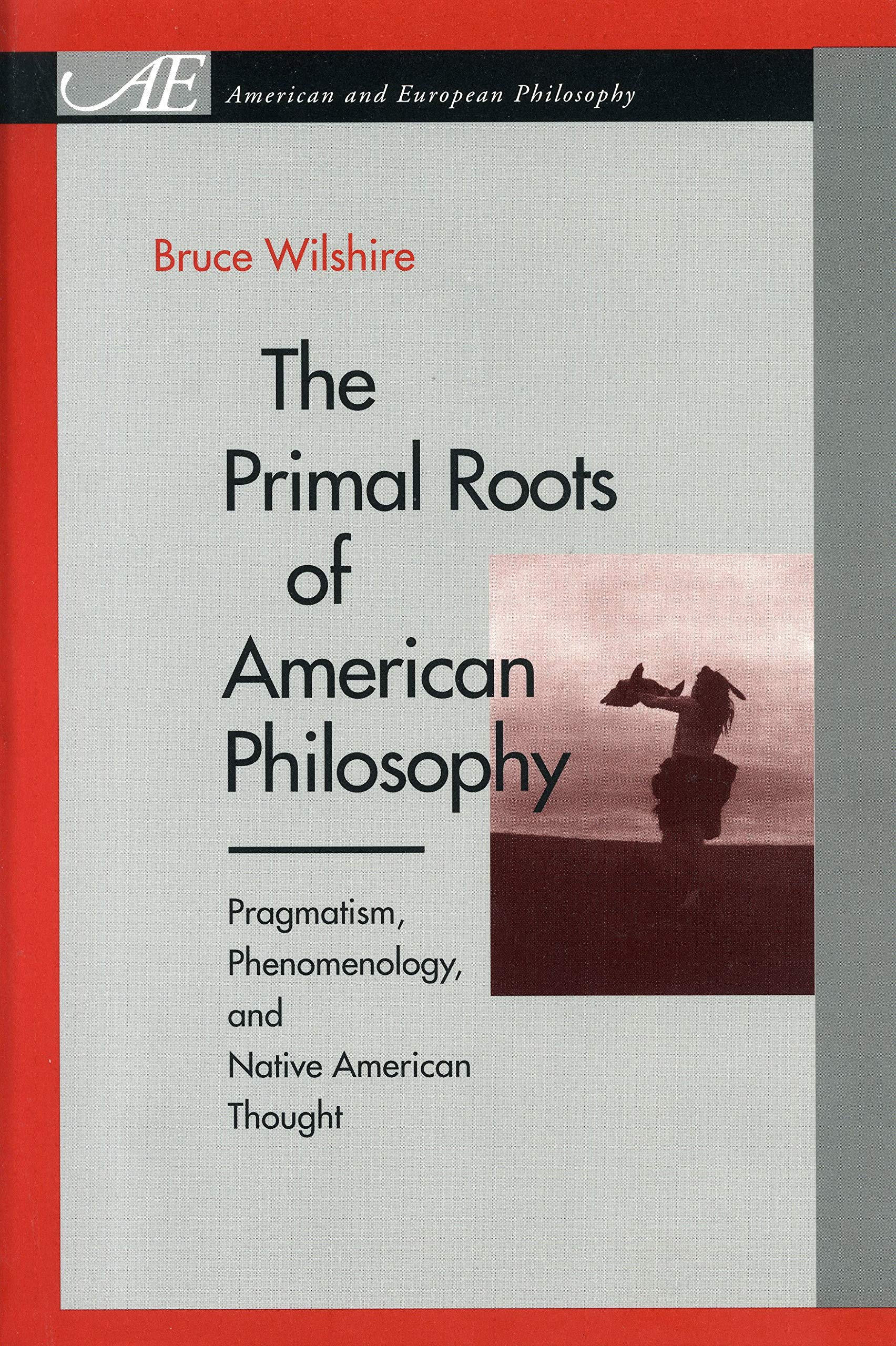
The Primal Roots of American Philosophy: Pragmatism, Phenomenology, and Native American Thought,Used
Sold by Ergodebooks, an authorized reseller.
Returns accepted within 30 days | support@ergodebooks.com
Shipping Information
- Free Standard Shipping — United States only
- Processing Time: 3–5 business days
- Estimated Delivery: 6–10 business days after dispatch
- Double-boxed, fully insured & discreetly packaged
- Tracking number sent via email once dispatched
Returns & Refund
Returns accepted within 30 days of delivery.
Damaged or Defective Item
Free return shipping + replacement or full refund
Wrong Item Received
Free return shipping + replacement or full refund
Change of Mind
Return shipping at customer's expense · 25% restocking fee applies
Payment Option

Continuing his quest to bring American philosophy back to its roots, Bruce Wilshire connects the work of such thinkers as Thoreau, Emerson, Dewey, and James with Native American beliefs and practices. His search is not for exact parallels, but rather for fundamental affinities between the equally "organismic" thought systems of indigenous peoples and classic American philosophers.Wilshire gives particular emphasis to the affinities between Black Elks view of the hoop of the world and Emersons notion of horizon, and also between a shamans healing practices and Jamess ideas of pure experience, willingness to believe, and a pluralistic universe. As these connections come into focus, the book shows how European phenomenology was inspired and influenced by the classic American philosophers, whose own work reveals the inspiration and influence of indigenous thought.Wilshires book also reveals how artificial are the walls that separate the sciences and the humanities in academia, and that separate Continental from AngloAmerican thought within the single discipline of philosophy.
⚠️ WARNING (California Proposition 65):
This product may contain chemicals known to the State of California to cause cancer, birth defects, or other reproductive harm.
For more information, please visit www.P65Warnings.ca.gov.
- Q: What is the page count of this book? A: This book has two hundred fifty-six pages. It offers an in-depth exploration of American philosophy and its connections to Native American thought.
- Q: What are the dimensions of this book? A: The book measures six inches in length, zero point seventy-five inches in width, and nine point zero two inches in height. These dimensions make it a convenient size for reading.
- Q: What type of binding does this book have? A: This book is available in paperback binding. This type of binding is lightweight and flexible, making it easy to handle and read.
- Q: Who is the author of this book? A: The author is Bruce Wilshire. He is known for connecting classic American philosophy with Native American beliefs and practices.
- Q: What is the primary genre of this book? A: The primary genre is Criticism. It critically examines philosophical thoughts and beliefs from both American and Native American perspectives.
- Q: Is this book suitable for academic study? A: Yes, this book is suitable for academic study. It provides a scholarly analysis of philosophical connections that are valuable for students and researchers.
- Q: How does this book relate to Native American thought? A: The book explores affinities between Native American beliefs and classic American philosophers. It highlights the connections between indigenous thought and the works of thinkers like Emerson and James.
- Q: Can this book be used for a philosophy course? A: Yes, this book can be used for a philosophy course. It discusses relevant themes that align with many philosophy curricula, especially those focusing on pragmatism and phenomenology.
- Q: What themes are explored in this book? A: The themes include pragmatism, phenomenology, and the interconnections between American philosophy and Native American thought. These themes provide a rich context for understanding diverse philosophical perspectives.
- Q: How should I care for this book? A: To care for this book, store it in a dry place away from direct sunlight. Handle it gently to maintain its condition over time.
- Q: Is this book safe for all readers? A: Yes, this book is safe for all readers. It discusses philosophical concepts in an accessible manner without adult themes or inappropriate content.
- Q: What if I receive a damaged book? A: If you receive a damaged book, you should contact the retailer for a return or exchange. Most retailers have a customer service policy to address such issues.
- Q: Does this book include references or citations? A: Yes, this book includes references and citations to support its arguments. This enhances its credibility and allows readers to explore topics further.
- Q: Is this book a good introduction to American philosophy? A: Yes, this book serves as a good introduction to American philosophy. It connects foundational thinkers with contemporary discussions, making it informative for newcomers.
- Q: What kind of audience would appreciate this book? A: This book would be appreciated by philosophy students, educators, and anyone interested in the connections between American and Native American thought. Its interdisciplinary approach appeals to a wide audience.