If you have any questions, you are always welcome to contact us. We'll get back to you as soon as possible, withing 24 hours on weekdays.
Customer service
All questions about your order, return and delivery must be sent to our customer service team by e-mail at yourstore@yourdomain.com
Sale & Press
If you are interested in selling our products, need more information about our brand or wish to make a collaboration, please contact us at press@yourdomain.com
Help
If you have any questions, you are always welcome to contact us. We'll get back to you as soon as possible, withing 24 hours on weekdays.
Customer service
All questions about your order, return and delivery must be sent to our customer service team by e-mail at yourstore@yourdomain.com
Sale & Press
If you are interested in selling our products, need more information about our brand or wish to make a collaboration, please contact us at press@yourdomain.com
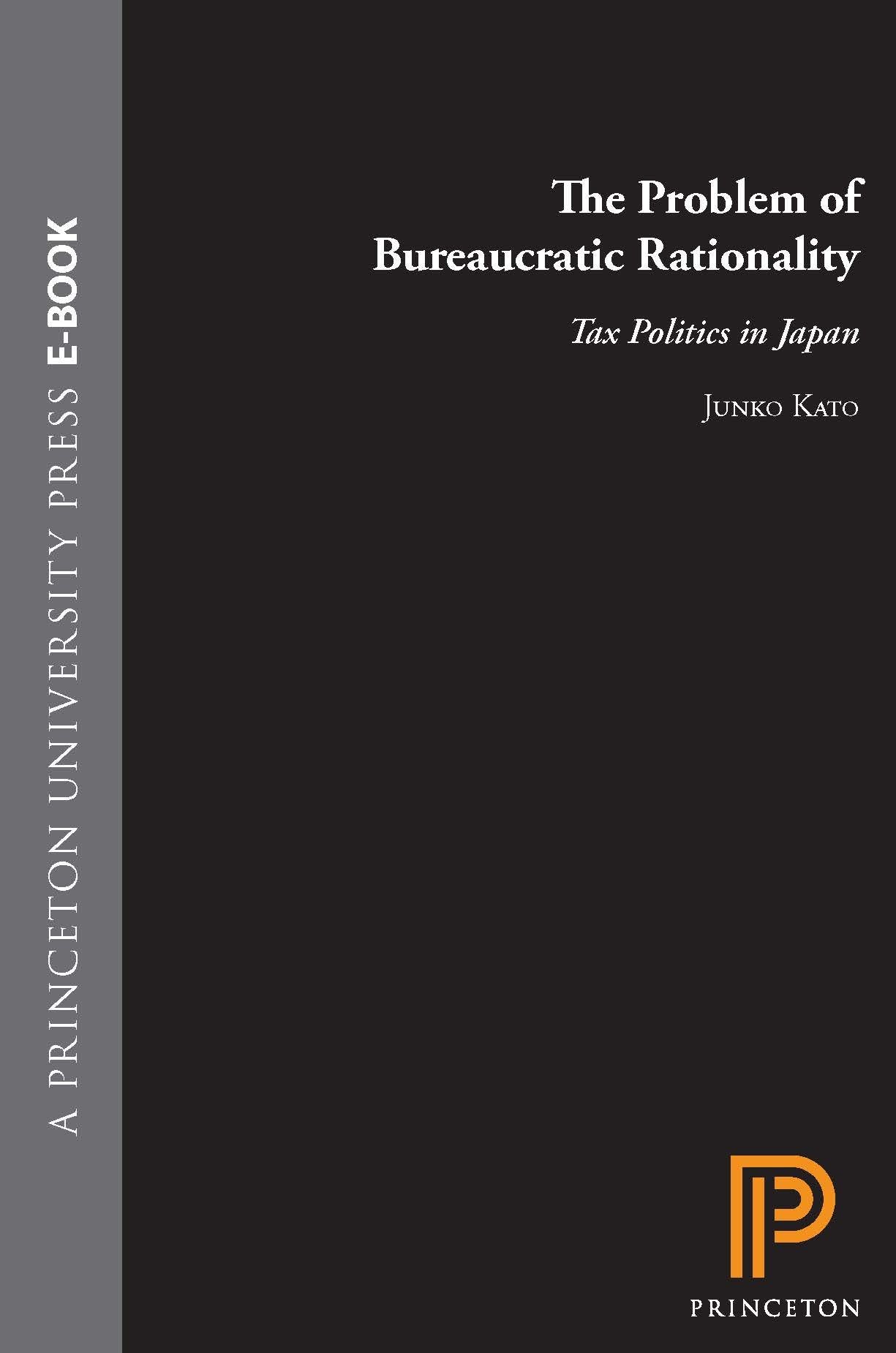
Through a detailed account of the political battles over Japanese tax reform during the last two decades, Junko Kato draws an unconventional portrait of bureaucratic motivation, showing how fiscal bureaucrats exploit their unique technical knowledge to influence policymaking. Rejecting the notion that the monopolization of policy expertise leads to bureaucratic domination, Kato contends that bureaucrats seek to increase their influence upon politicians by strategically sharing information. She also explores the reason for the relative strength of the bureaucratic organization in comparison to the governing party, whose interest in reelections and intraparty politics may pose dilemmas for individual politicians.In 1989, the Japanese Diet enacted a broadbased consumption tax after two failed attempts and in the face of widespread public disapproval. Its passage was all the more remarkable for coming just as a series of dramatic financial scandals had begun to undermine popular support for the ruling Liberal Democratic Party, foreshadowing its fall from power four years later. Kato argues that skillful maneuvering by the Ministry of Finance, determined to ensure stable longterm revenues, was decisive in persuading a majority of legislators to oppose their constituents in endorsing an unpopular program of tax reform. Her careful analysis of the Japanese case holds important implications for the study of bureaucratic power and public policy in advanced industrial democracies elsewhere in East Asia and the West.
⚠️ WARNING (California Proposition 65):
This product may contain chemicals known to the State of California to cause cancer,
birth defects, or other reproductive harm.
For MAP (Minimum Advertised Price) violations and Intellectual Property (IP) or Trademark concerns, please contact:
support@ergodebooks.com
⚠️ California Proposition 65 Warning: Some products sold on this website may expose you to chemicals known to the State of California to cause cancer, birth defects, or other reproductive harm. For more information, visit www.P65Warnings.ca.gov.