
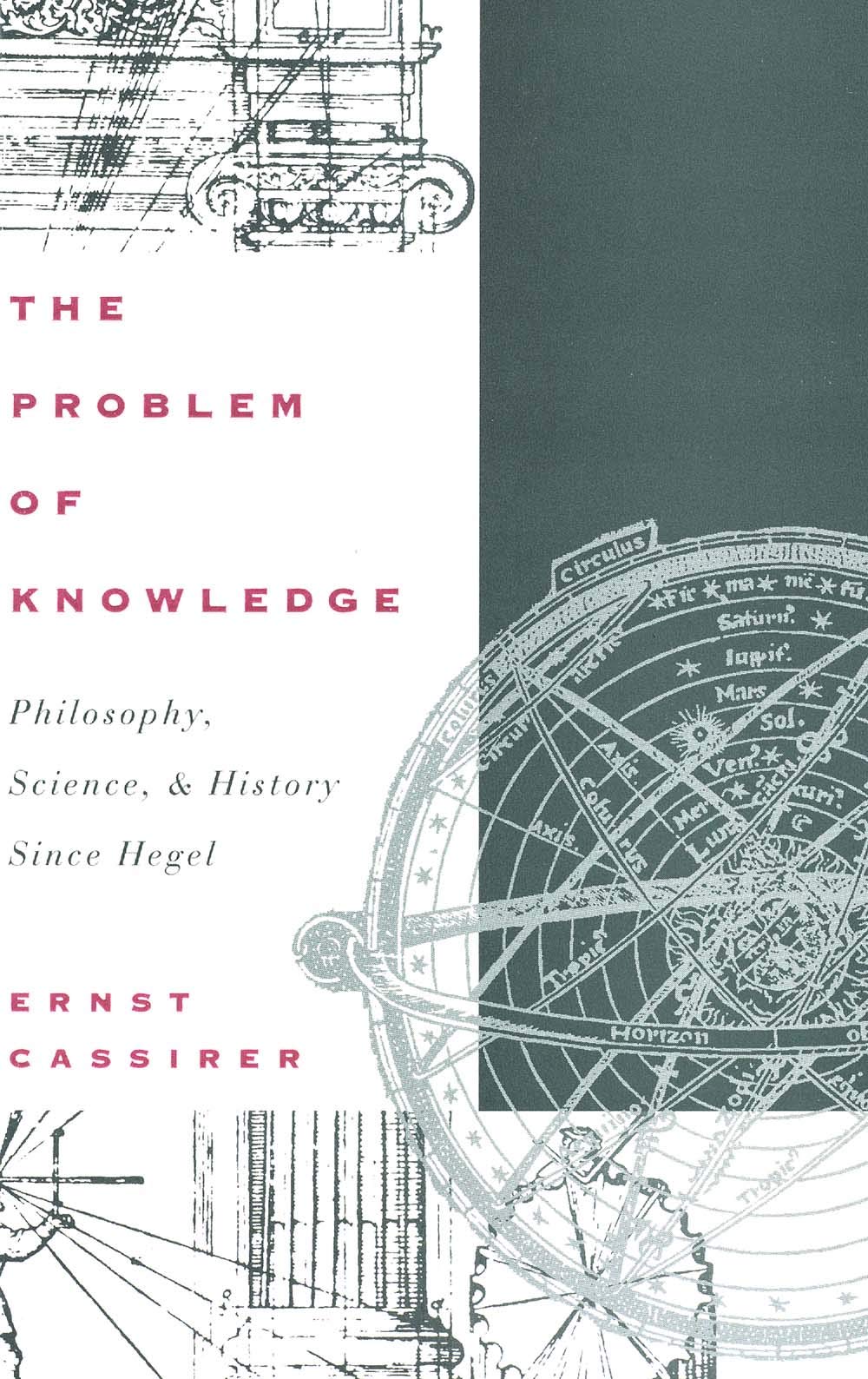
Title
The Problem of Knowledge: Philosophy, Science, and History Since Hegel,Used
Sold by Ergodebooks, an authorized reseller.
Returns accepted within 30 days | support@ergodebooks.com
Shipping Information
- Free Standard Shipping — United States only
- Processing Time: 3–5 business days
- Estimated Delivery: 6–10 business days after dispatch
- Double-boxed, fully insured & discreetly packaged
- Tracking number sent via email once dispatched
Returns & Refund
Returns accepted within 30 days of delivery.
Damaged or Defective Item
Free return shipping + replacement or full refund
Wrong Item Received
Free return shipping + replacement or full refund
Change of Mind
Return shipping at customer's expense · 25% restocking fee applies
Payment Option

Cassirer employs his remarkable gift of lucidity to explain the major ideas and intellectual issues that emerged in the course of nineteenth century scientific and historical thinking. The translators have done an excellent job in reproducing his clarity in English. There is no better place for an intelligent reader to find out, with a minimum of technical language, what was really happening during the great intellectual movement between the age of Newton and our own.'New York Times.
⚠️ WARNING (California Proposition 65):
This product may contain chemicals known to the State of California to cause cancer, birth defects, or other reproductive harm.
For more information, please visit www.P65Warnings.ca.gov.
- Q: How many pages does the book have? A: This book has three hundred fifty-two pages. It provides a comprehensive exploration of philosophical ideas and historical contexts.
- Q: What type of binding does this book use? A: The book is available in paperback binding. This makes it flexible and easy to handle for reading.
- Q: What are the dimensions of the book? A: The dimensions of the book are eight inches in length, five point sixteen inches in width, and zero point ninety-two inches in height.
- Q: Who is the author of this book? A: The author of this book is Ernst Cassirer. He is known for his contributions to philosophy, particularly in the context of science and history.
- Q: What is the main topic of the book? A: The main topic of the book is the problem of knowledge as it relates to philosophy, science, and history since Hegel.
- Q: Is this book suitable for beginners in philosophy? A: Yes, this book is suitable for beginners. The author uses clear language to explain complex philosophical ideas.
- Q: What kind of reader would benefit from this book? A: Intelligent readers interested in philosophy, science, and history would benefit from this book. It is designed to be engaging and accessible.
- Q: How should I approach reading this book? A: You should approach reading this book with an open mind and a willingness to engage with complex ideas. It is structured to guide you through philosophical discussions.
- Q: Can I use this book for academic study? A: Yes, this book is suitable for academic study. It provides valuable insights into historical and philosophical contexts.
- Q: How do I care for this paperback book? A: To care for this paperback book, keep it in a dry place and avoid exposing it to direct sunlight to prevent fading.
- Q: Is there a risk of damage if I read this book often? A: Yes, frequent reading can lead to wear and tear. Use a bookmark instead of folding pages to maintain its condition.
- Q: What should I do if the book arrives damaged? A: If the book arrives damaged, you should contact the seller for a return or exchange. Most sellers have a policy for handling damaged goods.
- Q: Can I return this book if I don’t like it? A: Yes, you can typically return this book if you are not satisfied. Be sure to check the seller’s return policy for details.
- Q: What if I have questions while reading this book? A: If you have questions while reading, consider joining a book club or online forum to discuss ideas with others.
- Q: Is this book appropriate for young adults? A: Yes, this book is appropriate for young adults. It challenges readers to think critically about philosophical issues.
- Q: How does this book compare to other philosophy texts? A: This book stands out due to its clarity and focus on historical contexts. It is often recommended for those new to philosophical discussions.