
Title
The Production of Space,Used
Sold by Ergodebooks, an authorized reseller.
Returns accepted within 30 days | support@ergodebooks.com
Shipping Information
- Free Standard Shipping — United States only
- Processing Time: 3–5 business days
- Estimated Delivery: 6–10 business days after dispatch
- Double-boxed, fully insured & discreetly packaged
- Tracking number sent via email once dispatched
Returns & Refund
Returns accepted within 30 days of delivery.
Damaged or Defective Item
Free return shipping + replacement or full refund
Wrong Item Received
Free return shipping + replacement or full refund
Change of Mind
Return shipping at customer's expense · 25% restocking fee applies
Payment Option

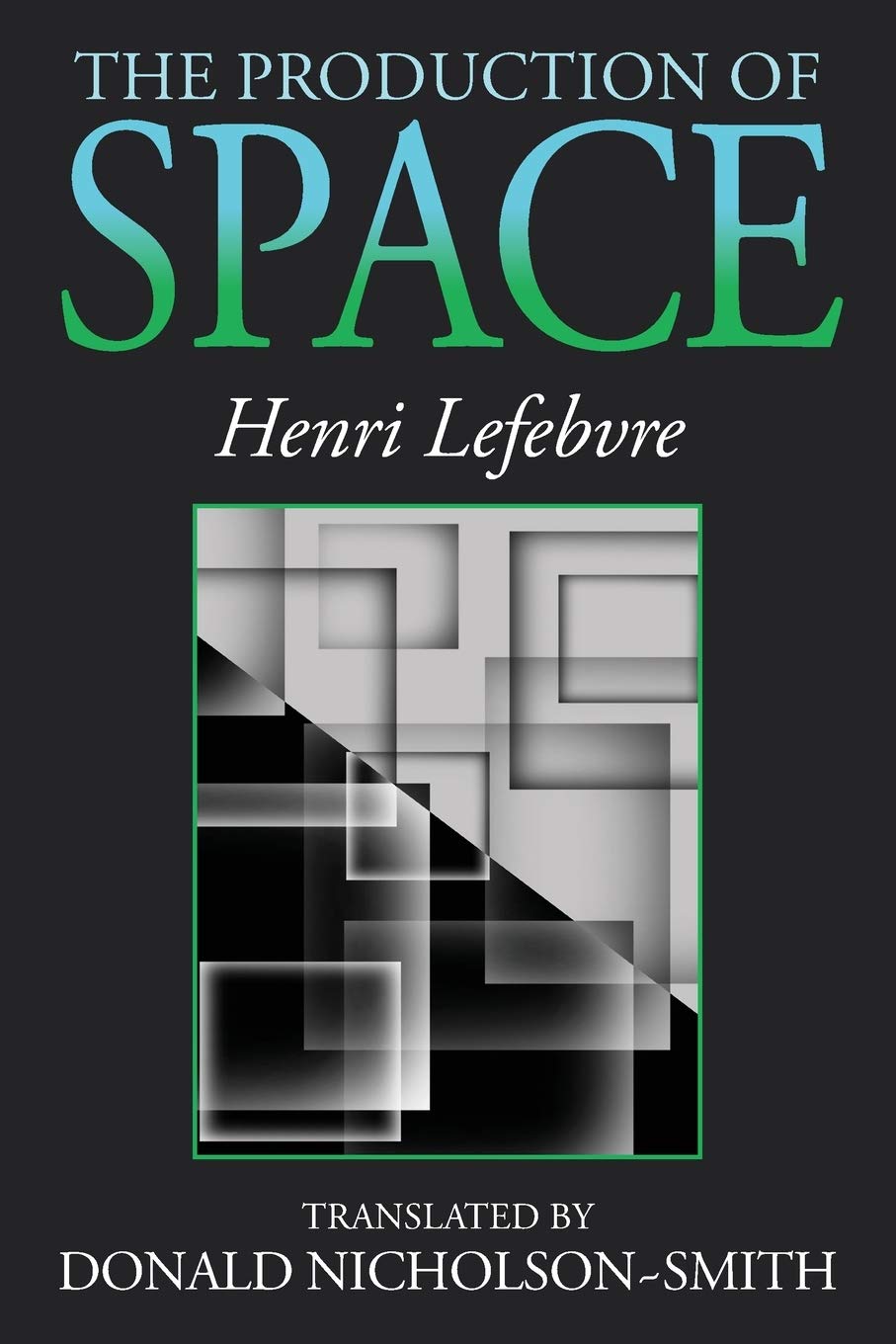
Henri Lefebvre has considerable claims to be the greatest living philosopher. His work spans some sixty years and includes original work on a diverse range of subjects, from dialectical materialism to architecture, urbanism and the experience of everyday life. The Production of Space is his major philosophical work and its translation has been long awaited by scholars in many different fields.The book is a search for a reconciliation between mental space (the space of the philosophers) and real space (the physical and social spheres in which we all live). In the course of his exploration, Henri Lefebvre moves from metaphysical and ideological considerations of the meaning of space to its experience in the everyday life of home and city. He seeks, in other words, to bridge the gap between the realms of theory and practice, between the mental and the social, and between philosophy and reality. In doing so, he ranges through art, literature, architecture and economics, and further provides a powerful antidote to the sterile and obfuscatory methods and theories characteristic of much recent continental philosophy.This is a work of great vision and incisiveness. It is also characterized by its author's wit and by anecdote, as well as by a deftness of style which Donald NicholsonSmith's sensitive translation precisely captures.
⚠️ WARNING (California Proposition 65):
This product may contain chemicals known to the State of California to cause cancer, birth defects, or other reproductive harm.
For more information, please visit www.P65Warnings.ca.gov.
- Q: What is the main theme of 'The Production of Space'? A: The main theme of 'The Production of Space' is the exploration of the relationship between mental space and real space, bridging the gap between theory and practice, and examining how space influences everyday life.
- Q: Who is the author of this book? A: 'The Production of Space' is authored by Henri Lefebvre, a prominent philosopher known for his extensive work in various fields including urbanism and social theory.
- Q: What is the publication date of this book? A: 'The Production of Space' was published on April 8, 1992.
- Q: Is this book suitable for beginners in philosophy? A: While 'The Production of Space' is a significant philosophical work, it may be more suitable for readers with some background in philosophy or social theory, as it delves into complex concepts.
- Q: What type of binding does this book have? A: 'The Production of Space' is available in paperback binding, making it accessible for readers who prefer physical books.
- Q: How many pages does 'The Production of Space' contain? A: 'The Production of Space' contains a total of 464 pages.
- Q: Is this book considered a used book? A: The condition of 'The Production of Space' is listed as 'New', indicating it has not been previously owned.
- Q: What are some key subjects covered in the book? A: Key subjects in 'The Production of Space' include dialectical materialism, urbanism, architecture, art, and the social experience of space in everyday life.
- Q: Who translated 'The Production of Space' into English? A: The English translation of 'The Production of Space' was done by Donald Nicholson-Smith.
- Q: What is the significance of this book in contemporary philosophy? A: 'The Production of Space' is considered a major philosophical work that offers critical insights into the understanding of space, making it relevant to various fields of study, including sociology, geography, and urban studies.