
Title
The Psychology Of Kundalini Yoga,Used
Sold by Ergodebooks, an authorized reseller.
Returns accepted within 30 days | support@ergodebooks.com
Shipping Information
- Free Standard Shipping — United States only
- Processing Time: 3–5 business days
- Estimated Delivery: 6–10 business days after dispatch
- Double-boxed, fully insured & discreetly packaged
- Tracking number sent via email once dispatched
Returns & Refund
Returns accepted within 30 days of delivery.
Damaged or Defective Item
Free return shipping + replacement or full refund
Wrong Item Received
Free return shipping + replacement or full refund
Change of Mind
Return shipping at customer's expense · 25% restocking fee applies
Payment Option

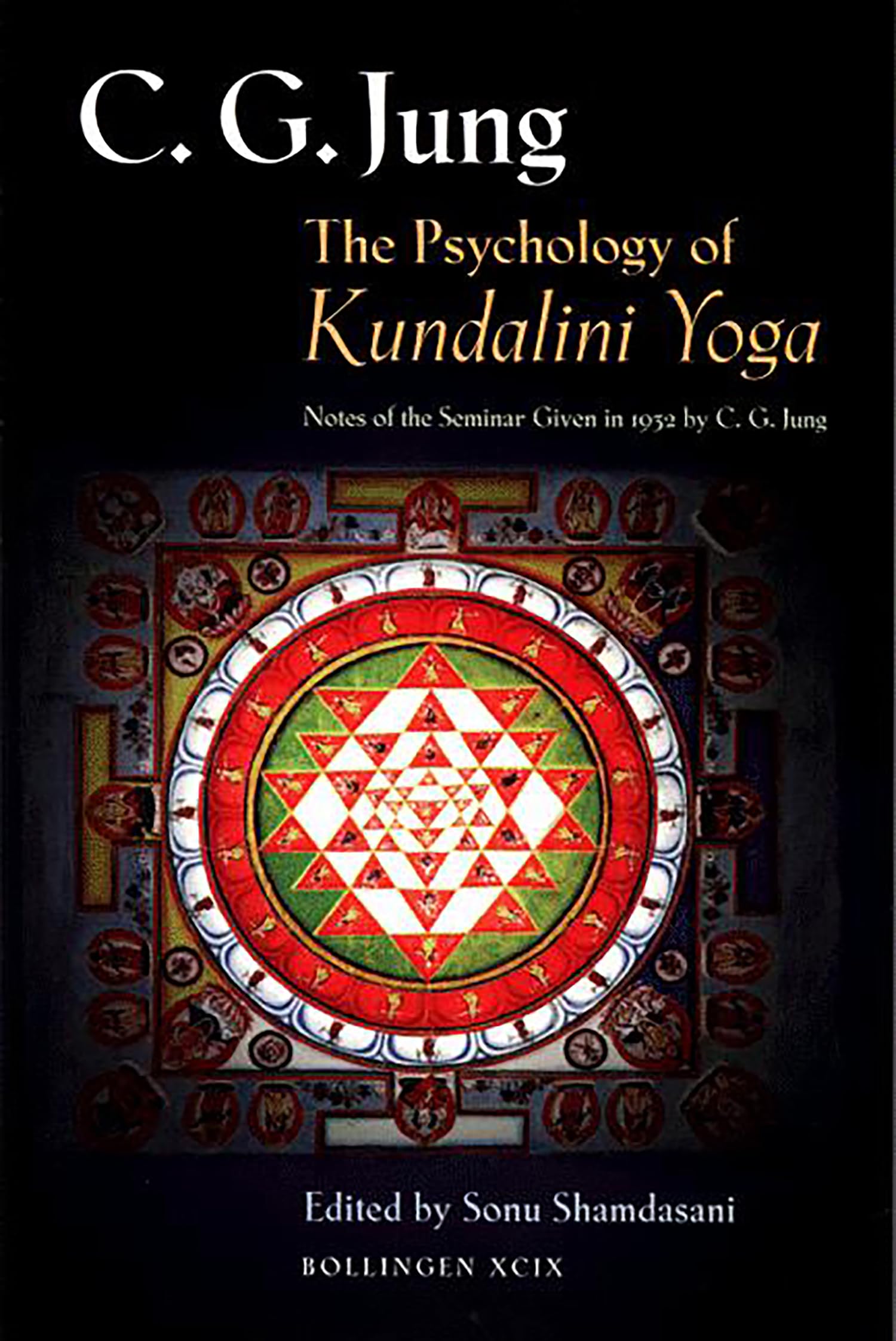
Kundalini Yoga Presented Jung With A Model Of Something That Was Almost Completely Lacking In Western Psychologyan Account Of The Development Phases Of Higher Consciousness.... Jung'S Insistence On The Psychogenic And Symbolic Significance Of Such States Is Even More Timely Now Than Then. As R. D. Laing Stated... 'It Was Jung Who Broke The Ground Here, But Few Followed Him.''From The Introduction By Sonu Shamdasanijung'S Seminar On Kundalini Yoga, Presented To The Psychological Club In Zurich In 1932, Has Been Widely Regarded As A Milestone In The Psychological Understanding Of Eastern Thought And Of The Symbolic Transformations Of Inner Experience. Kundalini Yoga Presented Jung With A Model For The Developmental Phases Of Higher Consciousness, And He Interpreted Its Symbols In Terms Of The Process Of Individuation. With Sensitivity Toward A New Generation'S Interest In Alternative Religions And Psychological Exploration, Sonu Shamdasani Has Brought Together The Lectures And Discussions From This Seminar. In This Volume, He Recreates For Today'S Reader The Fascination With Which Many Intellectuals Of Prewar Europe Regarded Eastern Spirituality As They Discovered More And More Of Its Resources, From Yoga To Tantric Texts. Reconstructing This Seminar Through New Documentation, Shamdasani Explains, In His Introduction, Why Jung Thought That The Comprehension Of Eastern Thought Was Essential If Western Psychology Was To Develop. He Goes On To Orient Today'S Audience Toward An Appreciation Of Some Of The Questions That Stirred The Minds Of Jung And His Seminar Group: What Is The Relation Between Eastern Schools Of Liberation And Western Psychotherapy? What Connection Is There Between Esoteric Religious Traditions And Spontaneous Individual Experience? What Light Do The Symbols Of Kundalini Yoga Shed On Conditions Diagnosed As Psychotic? Not Only Were These Questions Important To Analysts In The 1930S But, As Shamdasani Stresses, They Continue To Have Psychological Relevance For Readers On The Threshold Of The Twentyfirst Century. This Volume Also Offers Newly Translated Material From Jung'S German Language Seminars, A Seminar By The Indologist Wilhelm Hauer Presented In Conjunction With That Of Jung, Illustrations Of The Cakras, And Sir John Woodroffe'S Classic Translation Of The Tantric Text, The Satcakra Nirupana.?
⚠️ WARNING (California Proposition 65):
This product may contain chemicals known to the State of California to cause cancer, birth defects, or other reproductive harm.
For more information, please visit www.P65Warnings.ca.gov.
- Q: How many pages does 'The Psychology of Kundalini Yoga' have? A: The book has one hundred seventy-six pages. This length provides a comprehensive exploration of the subject matter without overwhelming the reader.
- Q: What is the binding type of this book? A: The book is paperback bound. This makes it lightweight and easy to carry, suitable for reading on the go.
- Q: What are the dimensions of 'The Psychology of Kundalini Yoga'? A: The dimensions are six inches in length, zero point five one inches in width, and nine point twenty-five inches in height. These measurements make it a convenient size for both storage and reading.
- Q: How do I read and understand this book? A: To read this book, start with the introduction by Sonu Shamdasani for context. The content is suitable for readers interested in psychology and Eastern thought.
- Q: Is 'The Psychology of Kundalini Yoga' suitable for beginners? A: Yes, it is suitable for beginners. The book introduces key concepts in Kundalini yoga and their psychological implications in an accessible manner.
- Q: Who is the author of this book? A: The author is C. G. Jung, a prominent figure in psychology. His insights into Kundalini yoga are foundational for understanding the integration of Eastern and Western thought.
- Q: What are the key themes explored in 'The Psychology of Kundalini Yoga'? A: The key themes include the development phases of higher consciousness and the relationship between Eastern spirituality and Western psychology. These themes are relevant for both historical and contemporary discussions.
- Q: Can I use this book for academic purposes? A: Yes, it can be used for academic purposes. The book offers insights into psychological theories and Eastern philosophies that are valuable in scholarly discussions.
- Q: How should I store this book to maintain its condition? A: Store the book in a cool, dry place away from direct sunlight. This will help preserve its binding and pages over time.
- Q: Is there any specific care required for this paperback book? A: No special care is required for this paperback book. Just handle it gently to avoid bending or tearing the pages.
- Q: What if the book arrives damaged? A: If the book arrives damaged, you should contact the seller or retailer for a return or exchange. They typically have policies in place to address such issues.
- Q: What kind of illustrations are included in the book? A: The book includes illustrations of the cakras. These visuals enhance the reader's understanding of the concepts discussed in the text.
- Q: Does this book include any translated material? A: Yes, it includes newly translated material from Jung's German language seminars. This adds depth to the reader's understanding of the subject.
- Q: Is this book appropriate for all age groups? A: Yes, the book is appropriate for adults and older teens interested in psychology and spirituality. It addresses complex themes that may not be suitable for younger children.
- Q: How can I contact support if I have questions about my order? A: You can contact the customer support of the retailer where you purchased the book. They should provide assistance for any inquiries related to your order.
- Q: What makes this book a valuable addition to my library? A: This book is valuable due to its unique perspective on the intersection of psychology and Eastern thought, as presented by a leading figure in the field.