
Title
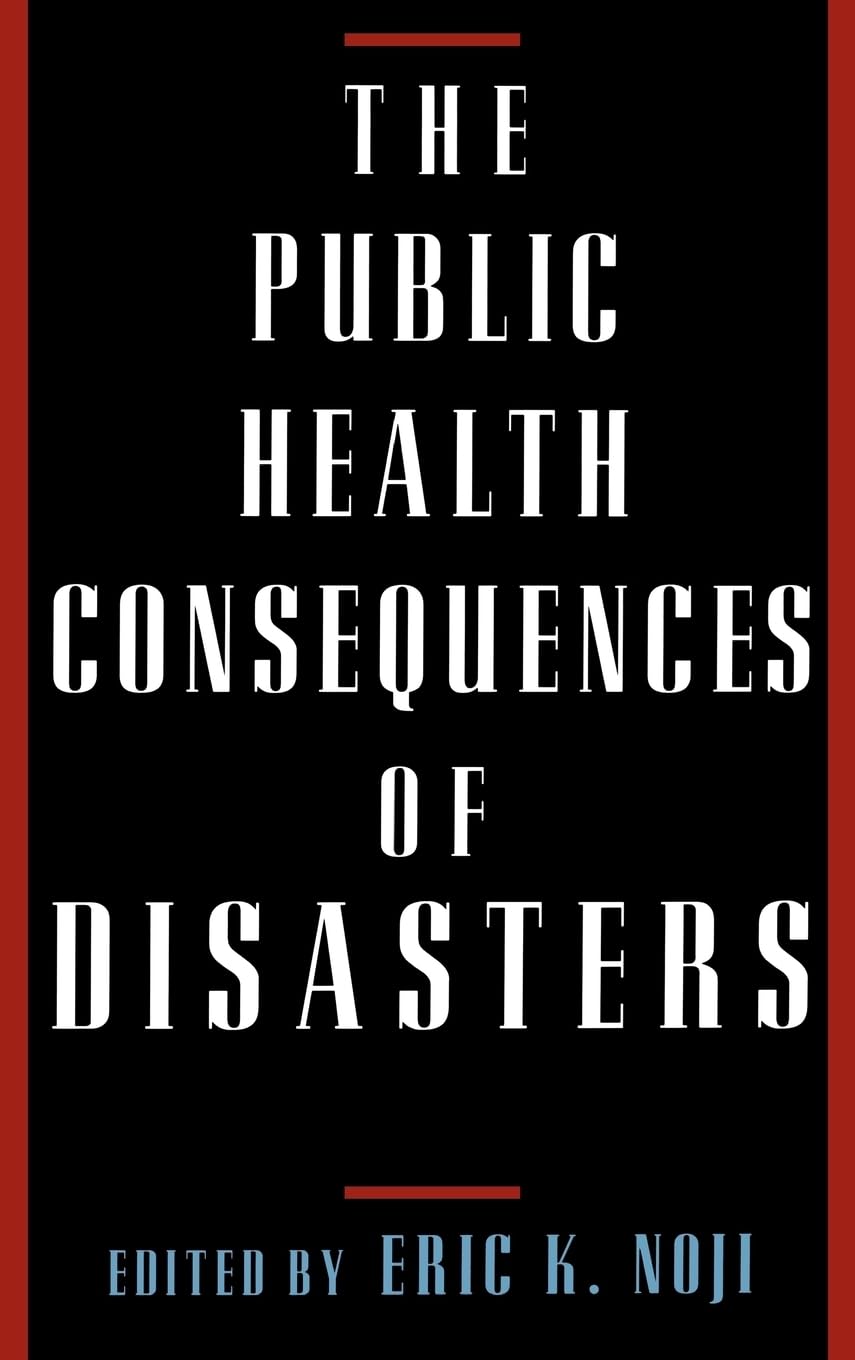
The Public Health Consequences of Disasters,Used
Sold by Ergodebooks, an authorized reseller.
Returns accepted within 30 days | support@ergodebooks.com
Shipping Information
- Free Standard Shipping — United States only
- Processing Time: 3–5 business days
- Estimated Delivery: 6–10 business days after dispatch
- Double-boxed, fully insured & discreetly packaged
- Tracking number sent via email once dispatched
Returns & Refund
Returns accepted within 30 days of delivery.
Damaged or Defective Item
Free return shipping + replacement or full refund
Wrong Item Received
Free return shipping + replacement or full refund
Change of Mind
Return shipping at customer's expense · 25% restocking fee applies
Payment Option

Natural and manmade disastersearthquakes, floods, volcanic eruptions, industrial crises, and many othershave claimed more than 3 million lives during the past 20 years, adversely affected the lives of at least 800 million people, and caused more than 50 billion dollars in property damages. A major disaster occurs almost daily in some part of the world. Increasing population densities in flood plains, along vulnerable coastal areas, and near dangerous faults in the earth's crust, as well as the rapid industrialization of developing economies are factors likely to make the threat posed by natural disasters much bigger in the future.Illustrated with examples from recent research in the field, this book summarizes the most pertinent and useful information about the public health impact of natural and manmade disasters. It is divided into four sections dealing with general concerns, geophysical events, weatherrelated problems, and humangenerated disasters. The author starts with a comprehensive discussion of the concepts and role of surveillance and epidemiology, highlighting general environmental health concerns, such as sanitation, water, shelter, and sewage. The other chapters, based on a variety of experiences and literature drawn from both developing and industrialized countries, cover discrete types of natural and technological hazards, addressing their history, origin, nature, observation, and control.Throughout the book the focus is on the level of epidemiologic knowledge on each aspect of natural and manmade disasters. Exposure, disease, and healthevent surveillance are stressed because of the importance of objective data to disaster epidemiology. In addition, Noji pays particular attention to prevention and control measures, and provides practical recommendations in areas in which the public health practitioner needs more useful information. He advocates stronger epidemiologic awareness as the basis for better understanding and control of disasters. A comprehensive theoretical and practical treatment of the subject, The Public Health Consequences of Disasters is an invaluable tool for epidemiologists, disaster relief specialists, and physicians who treat disaster victims.
⚠️ WARNING (California Proposition 65):
This product may contain chemicals known to the State of California to cause cancer, birth defects, or other reproductive harm.
For more information, please visit www.P65Warnings.ca.gov.