If you have any questions, you are always welcome to contact us. We'll get back to you as soon as possible, withing 24 hours on weekdays.
Customer service
All questions about your order, return and delivery must be sent to our customer service team by e-mail at yourstore@yourdomain.com
Sale & Press
If you are interested in selling our products, need more information about our brand or wish to make a collaboration, please contact us at press@yourdomain.com
Help
If you have any questions, you are always welcome to contact us. We'll get back to you as soon as possible, withing 24 hours on weekdays.
Customer service
All questions about your order, return and delivery must be sent to our customer service team by e-mail at yourstore@yourdomain.com
Sale & Press
If you are interested in selling our products, need more information about our brand or wish to make a collaboration, please contact us at press@yourdomain.com
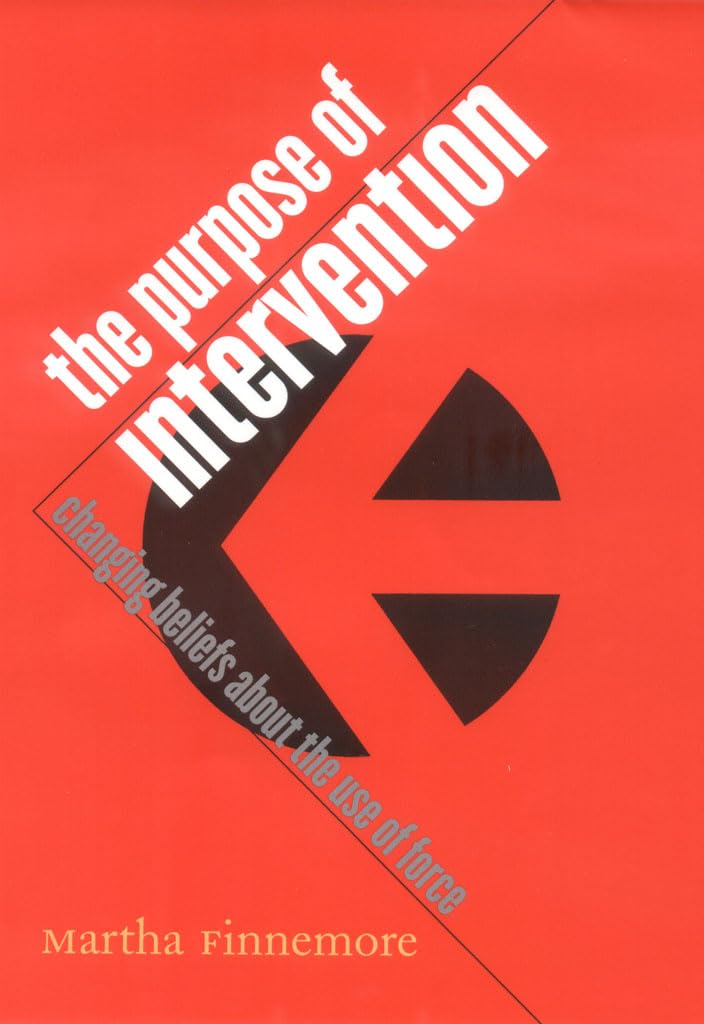
Violence or the potential for violence is a fact of human existence. Many societies, including our own, reward martial success or skill at arms. The ways in which members of a particular society use force reveal a great deal about the nature of authority within the group and about its members' priorities.Martha Finnemore uses one type of force, military intervention, as a window onto the shifting character of international society. She examines the changes, over the past 400 years, in why countries intervene militarily as well as in the ways they have intervened. It is not the fact of intervention that has altered, she says, but rather the reasons for and meaning behind interventionthe conventional understanding of the purposes for which states can and should use force.Finnemore looks at three types of intervention: collecting debts, addressing humanitarian crises, and acting against states perceived as threats to international peace. In all three, she finds that what is now considered 'obvious' was vigorously contested or even rejected by people in earlier periods for wellarticulated and logical reasons. A broad historical perspective allows her to explicate longterm trends: the steady erosion of force's normative value in international politics, the growing influence of equality norms in many aspects of global political life, and the increasing importance of law in intervention practices.
⚠️ WARNING (California Proposition 65):
This product may contain chemicals known to the State of California to cause cancer,
birth defects, or other reproductive harm.
For MAP (Minimum Advertised Price) violations and Intellectual Property (IP) or Trademark concerns, please contact:
support@ergodebooks.com
⚠️ California Proposition 65 Warning: Some products sold on this website may expose you to chemicals known to the State of California to cause cancer, birth defects, or other reproductive harm. For more information, visit www.P65Warnings.ca.gov.