
Title
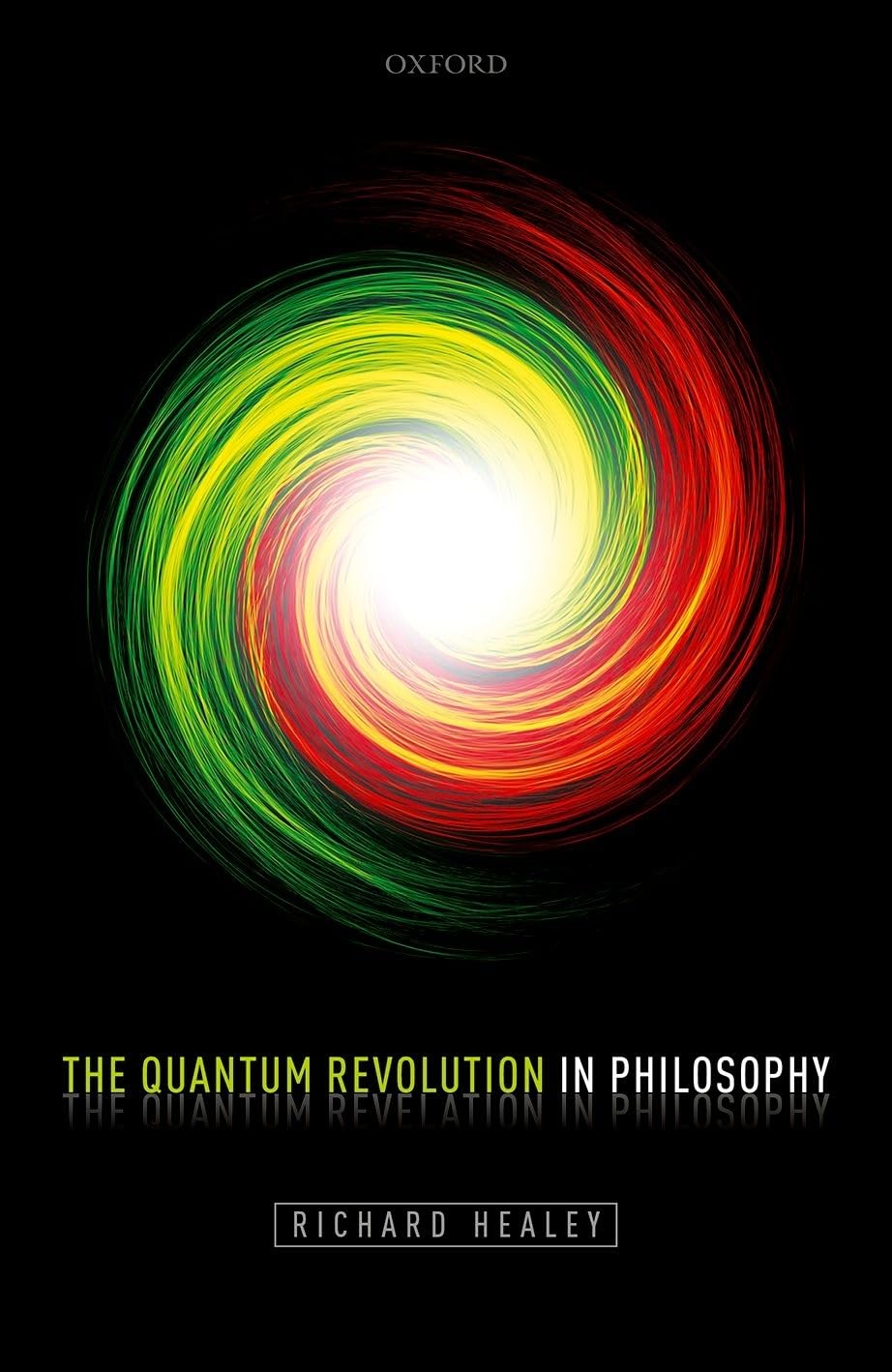
The Quantum Revolution in Philosophy,Used
Sold by Ergodebooks, an authorized reseller.
Returns accepted within 30 days | support@ergodebooks.com
Shipping Information
- Free Standard Shipping — United States only
- Processing Time: 3–5 business days
- Estimated Delivery: 6–10 business days after dispatch
- Double-boxed, fully insured & discreetly packaged
- Tracking number sent via email once dispatched
Returns & Refund
Returns accepted within 30 days of delivery.
Damaged or Defective Item
Free return shipping + replacement or full refund
Wrong Item Received
Free return shipping + replacement or full refund
Change of Mind
Return shipping at customer's expense · 25% restocking fee applies
Payment Option

Quantum theory launched a revolution in physics. But we have yet to understand the revolution's significance for philosophy. Richard Healey opens a path to such understanding. Most studies of the conceptual foundations of quantum theory first try to interpret the theory to say how the world could possibly be the way the theory says it is. But, though fundamental, quantum theory is enormously successful without describing the world in its own terms. When properly applied, models of quantum theory offer good advice on the significance and credibility of claims about the world expressed in other terms. This first philosophical lesson of the quantum revolution dissolves the quantum measurement problem. Pragmatist treatments of probability and causation show how quantum theory may be used to explain the nonlocalized correlations that have been thought to involve "spooky" instantaneous action at a distance. Given environmental decoherence, a pragmatist inferentialist approach to content shows when talk of quantum probabilities is licensed, resolves any residual worries about whether a quantum measurement has a determinate outcome, and solves a dilemma about the ontology of a quantum field theory. This approach to meaning and reference also reveals the nature and limits of objective description in the light of quantum theory. While these pragmatist approaches to probability, causation, explanation and content may be independently motivated by philosophical argument, their successful application here illustrates their practical importance in helping philosophers come to terms with the quantum revolution.
⚠️ WARNING (California Proposition 65):
This product may contain chemicals known to the State of California to cause cancer, birth defects, or other reproductive harm.
For more information, please visit www.P65Warnings.ca.gov.