If you have any questions, you are always welcome to contact us. We'll get back to you as soon as possible, withing 24 hours on weekdays.
Customer service
All questions about your order, return and delivery must be sent to our customer service team by e-mail at yourstore@yourdomain.com
Sale & Press
If you are interested in selling our products, need more information about our brand or wish to make a collaboration, please contact us at press@yourdomain.com
Help
If you have any questions, you are always welcome to contact us. We'll get back to you as soon as possible, withing 24 hours on weekdays.
Customer service
All questions about your order, return and delivery must be sent to our customer service team by e-mail at yourstore@yourdomain.com
Sale & Press
If you are interested in selling our products, need more information about our brand or wish to make a collaboration, please contact us at press@yourdomain.com
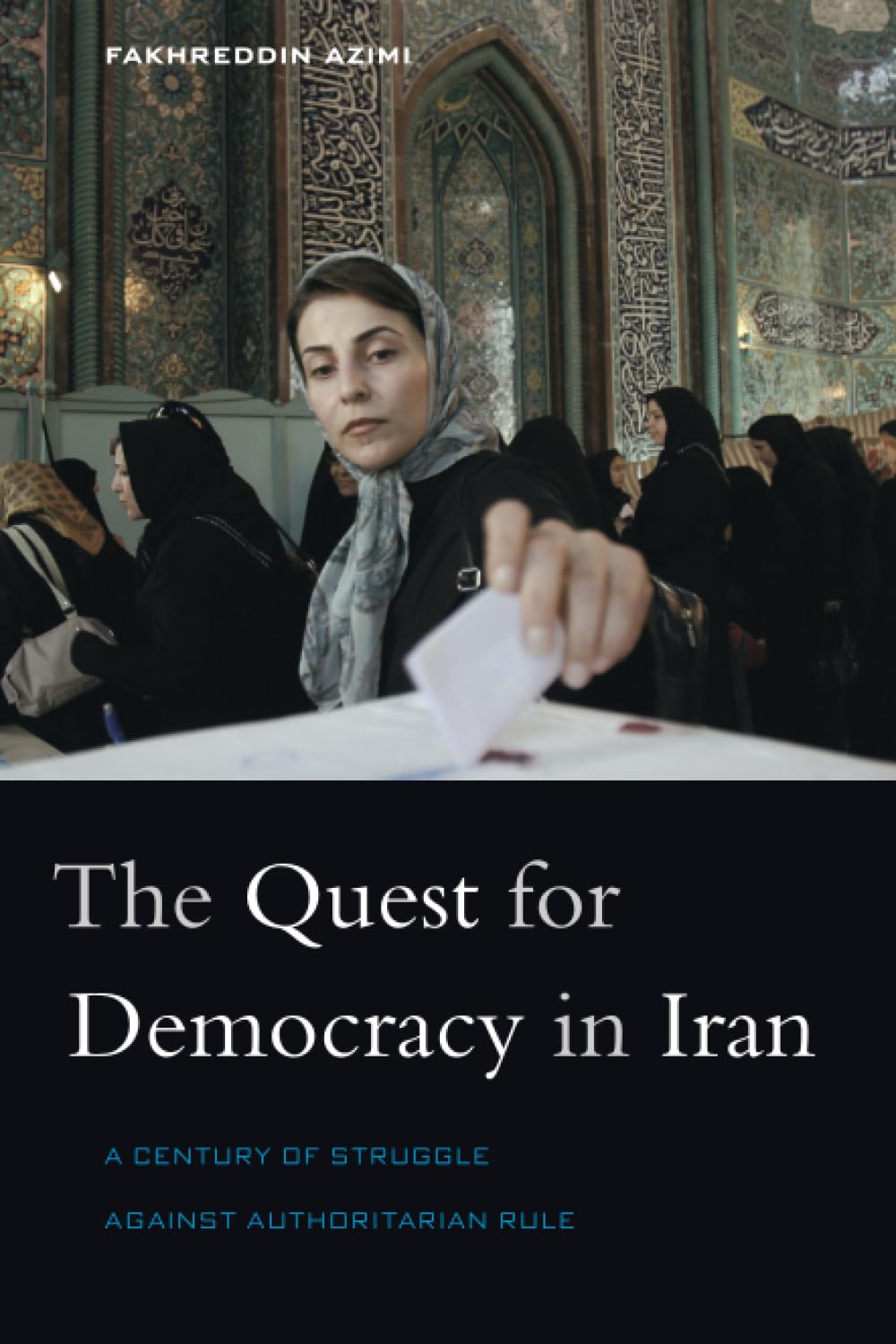
The Constitutional Revolution Of 1906 Launched Iran As A Pioneer In A Broadbased Movement To Establish Democratic Rule In The Nonwestern World. In A Book That Provides Essential Context For Understanding Modern Iran, Fakhreddin Azimi Traces A Century Of Struggle For The Establishment Of Representative Government.The Promise Of Constitutional Rule Was Cut Short In The 1920S With The Rise Of The Pahlavi Dynasty. Reza Shah, Whose Despotic Rule Azimi Deftly Captures, Maintained The Faade Of A Constitutional Monarch But Greeted Any Challenge With An Iron Fist: I Will Eliminate You, He Routinely Barked At His Officials. In 1941, Fearful Of Losing Control Of The Oilrich Region, The Allies Forced Reza Shah To Abdicate But Allowed Mohammad Reza To Succeed His Father. Though Promising To Abide By The Constitution, The New Shah Missed No Opportunity To Undermine It.The Angloamericanbacked Coup Of 1953, Which Ousted Reformist Premier Mohammed Mosaddeq, Dealt A Blow To The Constitutionalists. The Shahs Repressive Policies And Subservience To The United States Radicalized Both Secular And Religious Opponents, Leading To The Revolution Of 1979. Azimi Argues That We Have Fundamentally Misunderstood This Event By Characterizing It As An Islamic Revolution When It Was In Reality The Expression Of A Longrepressed Desire For Popular Sovereignty. This Explains Why The Clerical Rulers Have Failed To Counter The Growing Public Conviction That The Islamic Republic, Too, Is Impervious To Political Reformand Why The Democratic Impulse That Began With The Constitutional Revolution Continues To Be A Potent And Resilient Force.
⚠️ WARNING (California Proposition 65):
This product may contain chemicals known to the State of California to cause cancer,
birth defects, or other reproductive harm.
For MAP (Minimum Advertised Price) violations and Intellectual Property (IP) or Trademark concerns, please contact:
support@ergodebooks.com
⚠️ California Proposition 65 Warning: Some products sold on this website may expose you to chemicals known to the State of California to cause cancer, birth defects, or other reproductive harm. For more information, visit www.P65Warnings.ca.gov.