If you have any questions, you are always welcome to contact us. We'll get back to you as soon as possible, withing 24 hours on weekdays.
Customer service
All questions about your order, return and delivery must be sent to our customer service team by e-mail at yourstore@yourdomain.com
Sale & Press
If you are interested in selling our products, need more information about our brand or wish to make a collaboration, please contact us at press@yourdomain.com
Help
If you have any questions, you are always welcome to contact us. We'll get back to you as soon as possible, withing 24 hours on weekdays.
Customer service
All questions about your order, return and delivery must be sent to our customer service team by e-mail at yourstore@yourdomain.com
Sale & Press
If you are interested in selling our products, need more information about our brand or wish to make a collaboration, please contact us at press@yourdomain.com
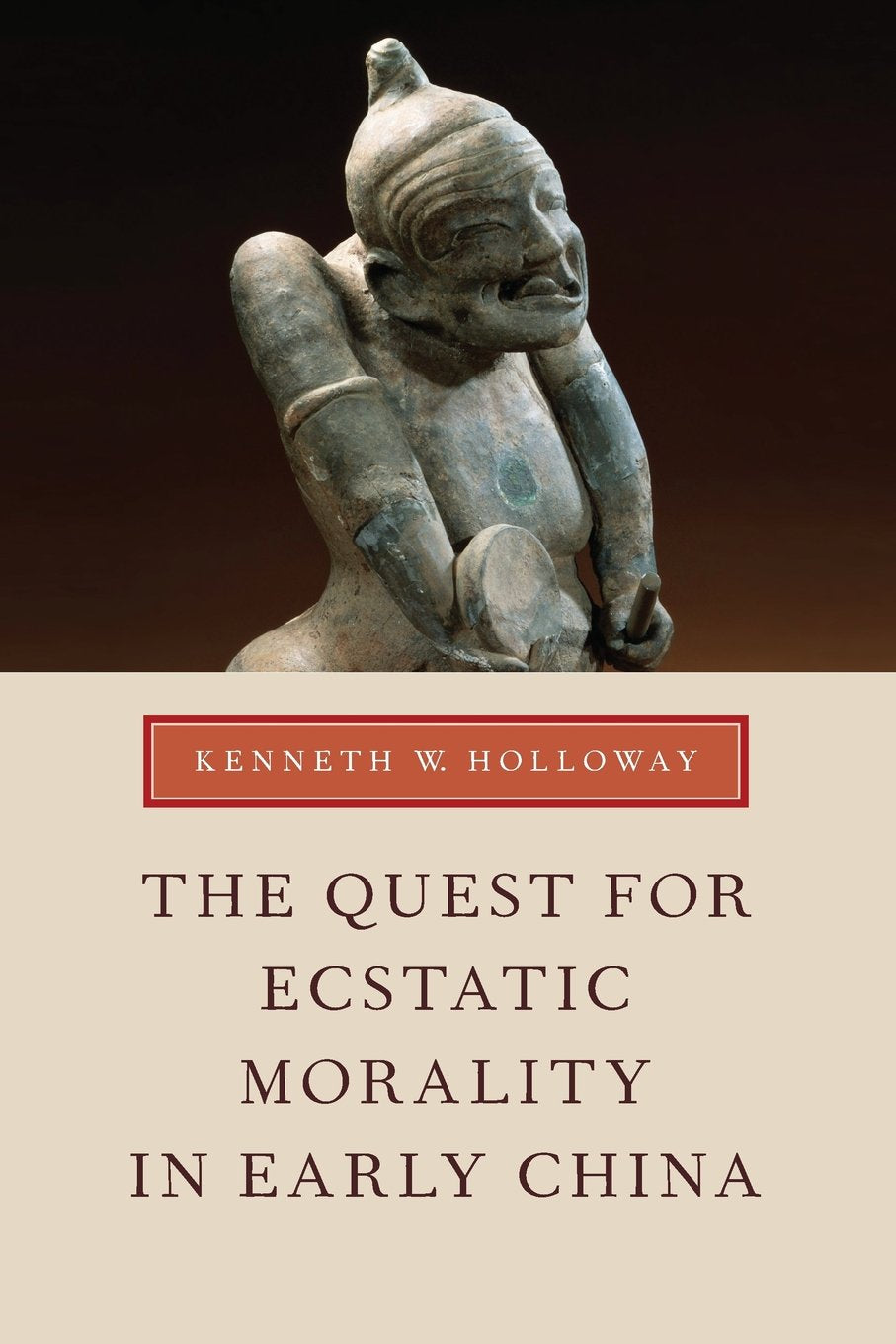
There is an intense love of freedom evident in the "Xing zi mingchu," a text last seen when it was buried in a Chinese tomb in 300 B.C.E. It tells us that both joy and sadness are the ecstatic zenith of what the text terms "qing." Combining emotions into qing allows them to serve as a stepping stone to the Dao, the transcendent source of morality for the world. There is a process one must follow to prepare qing: it must be beautified by learning from the classics written by ancient sages. What is absent from the process is any indication that the emotions themselves need to be suppressed or regulated, as is found in most other texts from this time.The Confucian principles of humanity and righteousness are not rejected, but they are seen as needing our qing and the Dao. Holloway argues that the Dao here is the same Dao of Laozi's Daode jing. As a missing link between what came to be called Confucianism and Daoism, the "Xing zi mingchu" is changing the way we look at the history of religion in early China.
⚠️ WARNING (California Proposition 65):
This product may contain chemicals known to the State of California to cause cancer,
birth defects, or other reproductive harm.
For MAP (Minimum Advertised Price) violations and Intellectual Property (IP) or Trademark concerns, please contact:
support@ergodebooks.com
⚠️ California Proposition 65 Warning: Some products sold on this website may expose you to chemicals known to the State of California to cause cancer, birth defects, or other reproductive harm. For more information, visit www.P65Warnings.ca.gov.