
Title
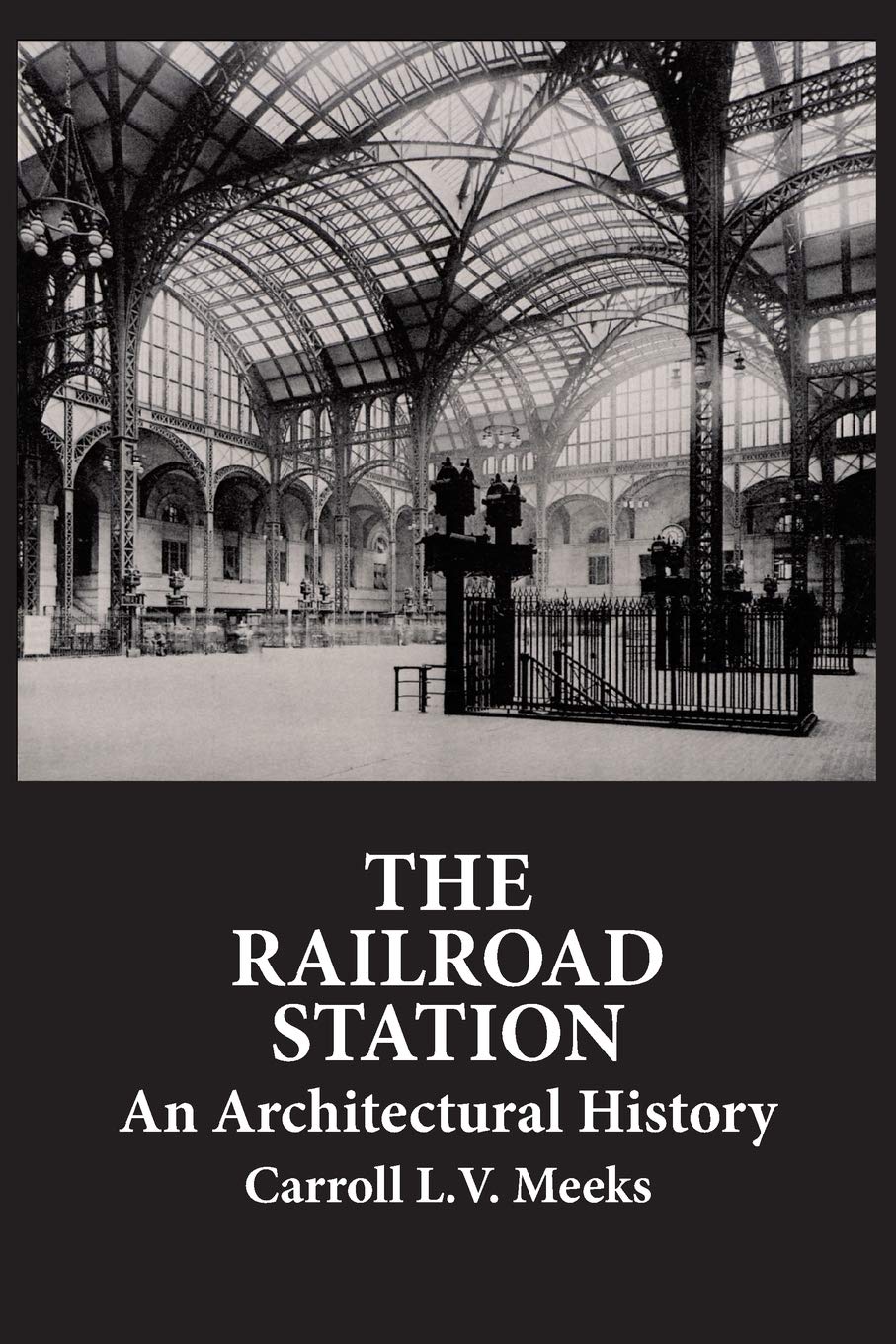
The Railroad Station: An Architectural History (Dover Architecture)
Sold by Ergodebooks, an authorized reseller.
Returns accepted within 30 days | support@ergodebooks.com
Shipping Information
- Free Standard Shipping — United States only
- Processing Time: 3–5 business days
- Estimated Delivery: 6–10 business days after dispatch
- Double-boxed, fully insured & discreetly packaged
- Tracking number sent via email once dispatched
Returns & Refund
Returns accepted within 30 days of delivery.
Damaged or Defective Item
Free return shipping + replacement or full refund
Wrong Item Received
Free return shipping + replacement or full refund
Change of Mind
Return shipping at customer's expense · 25% restocking fee applies
Payment Option

An engrossing book. A rich and extraordinary interesting account of the buildings themselves and of one aspect of the interaction of culture and technology. The many illustrations are a joy.' Scientific AmericanThis profusely illustrated book chronicles the evolution of the architecture of the railroad station in both Europe and America from the 1930s and 1950s. It begins with the earliest trainsheds and follows the progress of station design to the great structures erected in the Victorian Era London's Charing Cross Station (186264) and Berlin's Anhalter Bahnhof (187280) among them.Landmarks such as New York's Pennsylvania Station (190610), designed by McKim, Mead & White, begin the panorama of twentiethcentury structures. The story ends midcentury, in the gathering twilight of the railroading era, with such conceptions as Cincinnati's Union Station (192633) and Rome's Second Stazione Termini (193151).This great cavalcade of architecture illustrates year by year how the approach to station design developed along with the perceived power of the railroad to mobilize masses of people, revolutionize trade, influence the course of national and international interests, open frontiers, facilitate the rise of suburbia, and more. Fully examined is the station's role as an essential part of a new system of transportation with tremendous power to effect social, economic, and political change.Throughout the book, Dr. Meeks, late Professor of the History of Architecture at Yale University, follows chronologically the station's progress as architecture serving new functions; as an engineering challenge, especially in the construction of huge roofs in new materials; and as a work of art expressing taste and cultural ambition. More than 230 illustrations photographs, illustrations, floor plans, cutaways, and more bring vividly to life one of architecture's most fascinating stories.'Carefully documented by all the apparatus of exacting scholarship, and even better by a fascinating collection of more than 230 pictures.' The New York Times Book Review
⚠️ WARNING (California Proposition 65):
This product may contain chemicals known to the State of California to cause cancer, birth defects, or other reproductive harm.
For more information, please visit www.P65Warnings.ca.gov.