
Title
The Reality of God and the Problem of Evil,New
Sold by Ergodebooks, an authorized reseller.
Returns accepted within 30 days | support@ergodebooks.com
Shipping Information
- Free Standard Shipping — United States only
- Processing Time: 3–5 business days
- Estimated Delivery: 6–10 business days after dispatch
- Double-boxed, fully insured & discreetly packaged
- Tracking number sent via email once dispatched
Returns & Refund
Returns accepted within 30 days of delivery.
Damaged or Defective Item
Free return shipping + replacement or full refund
Wrong Item Received
Free return shipping + replacement or full refund
Change of Mind
Return shipping at customer's expense · 25% restocking fee applies
Payment Option

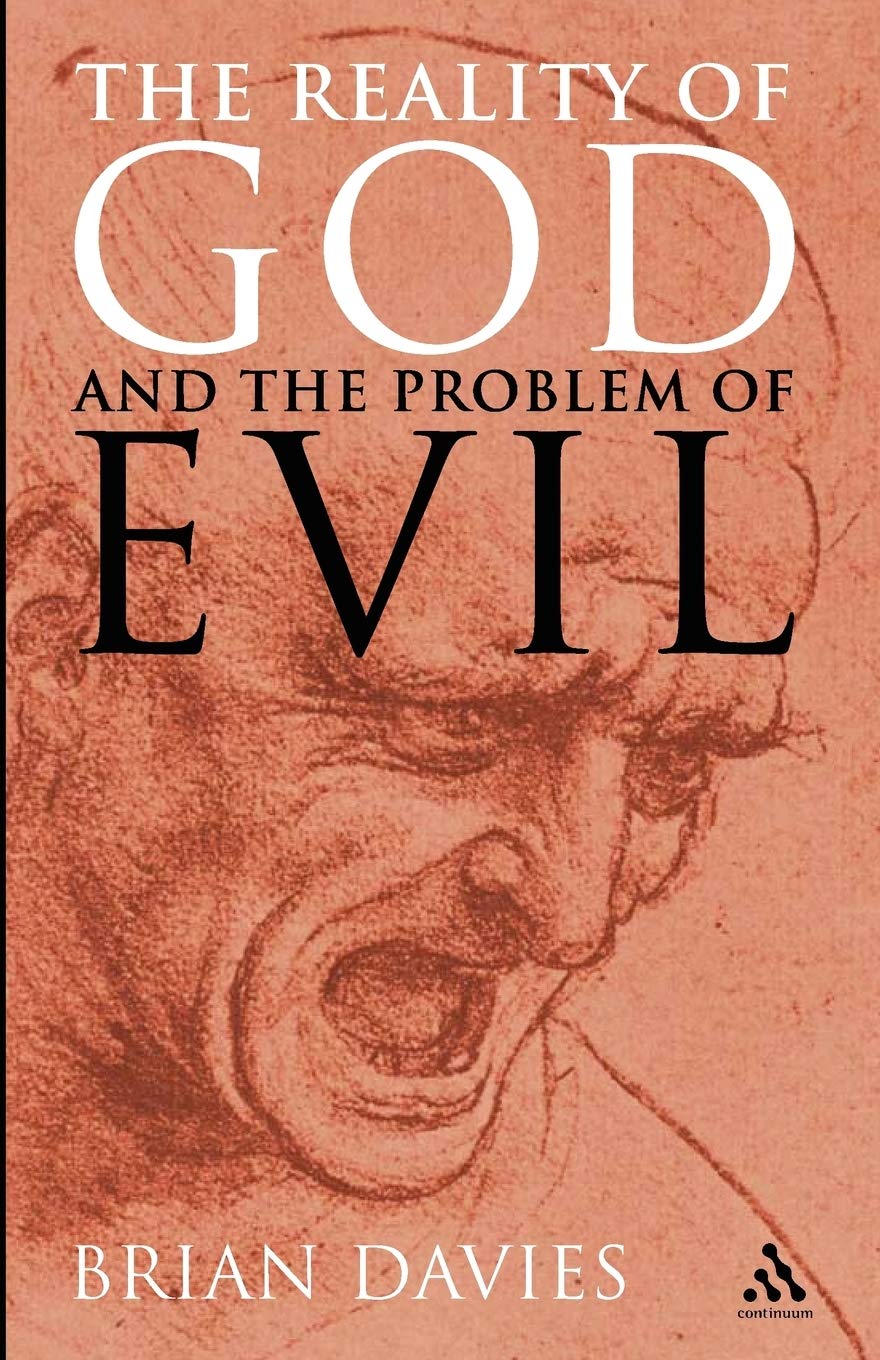
An important new book on how we can still believe in a God of love and confront the problem of evil in the world. Probably the most important book on the subject since John Hick's book Evil and the God of Love.&;Evil is a strong word that people now employ fairly rarely. Many people believe these days that God is omnipotent,omniscient and good and that what we deem to be bad or evil in the world is no reason for abandoning belief in God. It is an intellectual or theoretical problem not one where the focus is on how one might bring about some desirable goal ( a practical matter).&;Professor Davies says we should tackle this problem by attending to the basics, by asking whether there is a God and then What is God? he starts by summarizing the arguments so far (from Seneca to the present day). He then moves to what he describes as the basics (see above) and demonstrates that much of what has been written about on the topic of evil is in fact irrelevant or just plain wrong.&;Finally, though many theologians argue that evil is a mystery, Davies argues that this too is wrong and a cop out. We should rather be concerned with the problem (or mystery) of good. The real issue is Why is there not more good than there is. From the discussion Aquinas emerges as a hero (as filtered through analytical philosophy) but many moderns thinkers do not emerge so well. Davies effectively picks holes int e arguments of Peter Geach, Paul Helm, Richard Swinburne and even Mary Baker Eddy.&;This is a lively book on a tricky subject, written at all times with humour and much practical example.
⚠️ WARNING (California Proposition 65):
This product may contain chemicals known to the State of California to cause cancer, birth defects, or other reproductive harm.
For more information, please visit www.P65Warnings.ca.gov.
- Q: What is the page count of this book? A: The book has two hundred seventy-two pages. It provides a comprehensive exploration of the problem of evil in relation to belief in God.
- Q: What are the dimensions of the book? A: The book measures five point five one inches in length, zero point five seven inches in width, and eight point five inches in height. These dimensions make it a convenient size for reading.
- Q: What type of binding does the book have? A: The book is a paperback edition. This binding type is lightweight and allows for easy handling and reading.
- Q: Who is the author of this book? A: The author is Brian Davies. He is known for his work in theology and philosophy, particularly on the problem of evil.
- Q: What genre does this book belong to? A: This book is categorized under theology. It addresses significant philosophical and theological questions.
- Q: Is this book suitable for beginners in theology? A: Yes, this book is suitable for beginners. It tackles complex issues in an engaging manner, making it accessible for new readers.
- Q: How does the author approach the problem of evil? A: The author approaches the problem of evil by questioning the existence of God and examining historical arguments. He emphasizes the need to rethink common assumptions.
- Q: Can I use this book for academic purposes? A: Yes, this book can be used for academic purposes. It includes extensive arguments and references that are valuable for theological study.
- Q: What is the main argument presented in the book? A: The main argument is that the problem of evil should not overshadow the question of why there is not more good in the world. This perspective shifts traditional discussions.
- Q: Is this book appropriate for children? A: No, this book is not appropriate for children. It deals with complex theological concepts that require mature understanding.
- Q: How should I store this book? A: Store this book in a cool, dry place away from direct sunlight. This helps maintain its condition over time.
- Q: How do I care for the book to keep it in good condition? A: To keep the book in good condition, avoid bending the spine and keep it clean from dust. Regularly check for any signs of wear.
- Q: What if the book arrives damaged? A: If the book arrives damaged, you should contact the seller for a return or exchange. Most sellers have policies in place for such situations.
- Q: Does this book include practical examples? A: Yes, the book includes practical examples throughout. These examples illustrate the theoretical concepts discussed by the author.
- Q: What makes this book unique compared to others on the same topic? A: This book is unique because it challenges conventional views about evil and emphasizes the problem of good, offering fresh insights into a traditional debate.
- Q: Is there a specific audience this book targets? A: The book targets readers interested in theology and philosophy, particularly those seeking to understand the relationship between God and evil.