
Title
The Red Atlas: How The Soviet Union Secretly Mapped The World,Used
Sold by Ergodebooks, an authorized reseller.
Returns accepted within 30 days | support@ergodebooks.com
Shipping Information
- Free Standard Shipping — United States only
- Processing Time: 3–5 business days
- Estimated Delivery: 6–10 business days after dispatch
- Double-boxed, fully insured & discreetly packaged
- Tracking number sent via email once dispatched
Returns & Refund
Returns accepted within 30 days of delivery.
Damaged or Defective Item
Free return shipping + replacement or full refund
Wrong Item Received
Free return shipping + replacement or full refund
Change of Mind
Return shipping at customer's expense · 25% restocking fee applies
Payment Option

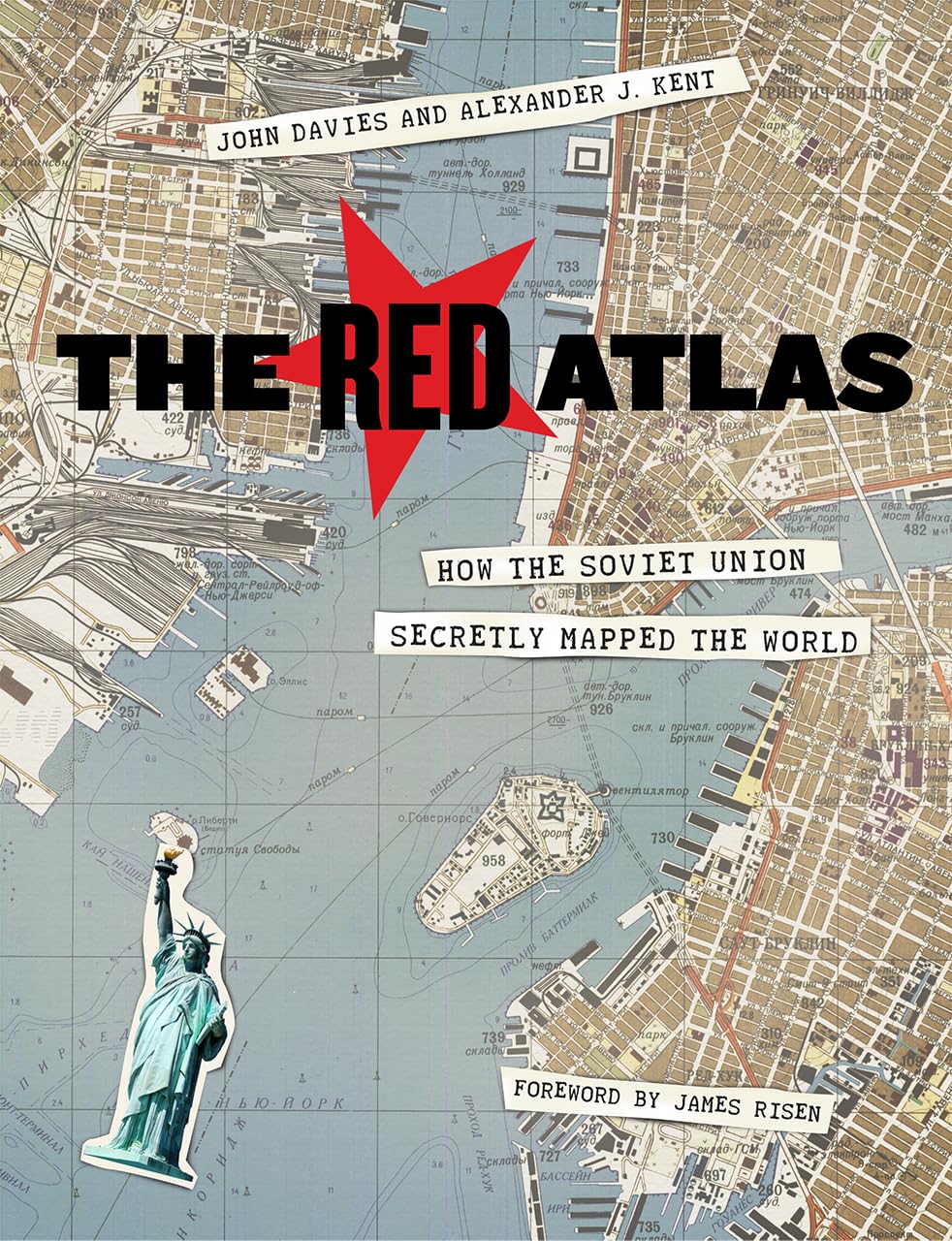
Nearly Thirty Years After The End Of The Cold War, Its Legacy And The Accompanying Russianamerican Tension Continues To Loom Large. Russias Access To Detailed Information On The United States And Its Allies May Not Seem So Shocking In This Day Of Data Clouds And Leaks, But Long Before We Had Satellite Imagery Of Any Neighborhood At A Fingers Reach, The Amount The Soviet Government Knew About Your Familys City, Street, And Even Your Home Would Astonish You. Revealing How This Was Possible, The Red Atlas Is The Neverbeforetold Story Of The Most Comprehensive Mapping Endeavor In History And The Surprising Maps That Resulted.From 1950 To 1990, The Soviet Army Conducted A Global Topographic Mapping Program, Creating Largescale Maps For Much Of The World That Included A Diversity Of Detail That Would Have Supported A Full Range Of Military Planning. For Big Cities Like New York, Dc, And London To Towns Like Pontiac, Mi And Galveston, Tx, The Soviets Gathered Enough Information To Create Streetlevel Maps. What They Chose To Include On These Maps Can Seem Obvious Like Locations Of Factories And Ports, Or More Surprising, Such As Building Heights, Road Widths, And Bridge Capacities. Some Of The Detail Suggests Early Satellite Technology, While Other Specifics, Like Detailed Depictions Of Depths And Channels Around Rivers And Harbors, Could Only Have Been Gained By Actual Soviet Feet On The Ground. The Red Atlas Includes Over 350 Extracts From These Incredible Cold War Maps, Exploring Their Provenance And Cartographic Techniques As Well As What They Can Tell Us About Their Makers And The Soviet Initiatives That Were Going On All Around Us.A Fantastic Historical Document Of An Era That Sometimes Seems Less Distant, The Red Atlas Offers An Uncanny View Of The World Through The Eyes Of Soviet Strategists And Spies.
⚠️ WARNING (California Proposition 65):
This product may contain chemicals known to the State of California to cause cancer, birth defects, or other reproductive harm.
For more information, please visit www.P65Warnings.ca.gov.
- Q: How many pages does 'The Red Atlas' have? A: This book has two hundred seventy-two pages. It provides extensive insights into Soviet mapping techniques during the Cold War.
- Q: What is the binding type of 'The Red Atlas'? A: The binding type is hardcover. This format enhances durability and makes it suitable for frequent handling.
- Q: What are the dimensions of 'The Red Atlas'? A: The dimensions are nine point two one inches in height, seven point four inches in width, and zero point nine eight inches in thickness. These measurements make it a portable book for reading.
- Q: Who is the author of 'The Red Atlas'? A: The author is John Davies. He offers a unique perspective on historical mapping efforts of the Soviet Union.
- Q: What subject does 'The Red Atlas' cover? A: The book covers intelligence and espionage during the Cold War. It reveals how the Soviet Union conducted extensive geographic surveys.
- Q: How can I use 'The Red Atlas' effectively? A: You can use it as a historical reference or for research on Cold War espionage. It's suitable for history enthusiasts and students alike.
- Q: Is 'The Red Atlas' suitable for all ages? A: Yes, it is suitable for older teens and adults. The content is informative but may not be engaging for younger children.
- Q: What is the reading level of 'The Red Atlas'? A: The reading level is geared towards adults and advanced teens. It includes detailed analyses that may require some background knowledge.
- Q: How should I care for 'The Red Atlas'? A: To keep it in good condition, store it upright and away from direct sunlight. Handle it carefully to avoid damage to the binding and pages.
- Q: Is 'The Red Atlas' a good gift for history lovers? A: Yes, it makes an excellent gift for history enthusiasts. Its unique insights into Soviet mapping will appeal to those interested in espionage.
- Q: Can I return 'The Red Atlas' if I don't like it? A: Yes, most retailers have return policies for books. Check the specific policy where you purchased it for details.
- Q: What if 'The Red Atlas' arrives damaged? A: If it arrives damaged, you should contact the seller immediately. Most retailers will offer a replacement or refund.
- Q: Does 'The Red Atlas' include maps? A: Yes, it includes over three hundred extracts from Cold War maps. These visuals enhance the book's historical context.
- Q: What insights about the Cold War does 'The Red Atlas' provide? A: The book reveals the extent of Soviet intelligence efforts through mapping. It discusses how these maps supported military strategies.
- Q: Who published 'The Red Atlas'? A: It was published by the University of Chicago Press. This publisher is known for high-quality academic and historical texts.
- Q: Are there any illustrations in 'The Red Atlas'? A: Yes, the book features numerous illustrations of maps. These help visualize the detailed geographic information discussed.