
Title
The Reformation of the Image,Used
Sold by Ergodebooks, an authorized reseller.
Returns accepted within 30 days | support@ergodebooks.com
Shipping Information
- Free Standard Shipping — United States only
- Processing Time: 3–5 business days
- Estimated Delivery: 6–10 business days after dispatch
- Double-boxed, fully insured & discreetly packaged
- Tracking number sent via email once dispatched
Returns & Refund
Returns accepted within 30 days of delivery.
Damaged or Defective Item
Free return shipping + replacement or full refund
Wrong Item Received
Free return shipping + replacement or full refund
Change of Mind
Return shipping at customer's expense · 25% restocking fee applies
Payment Option

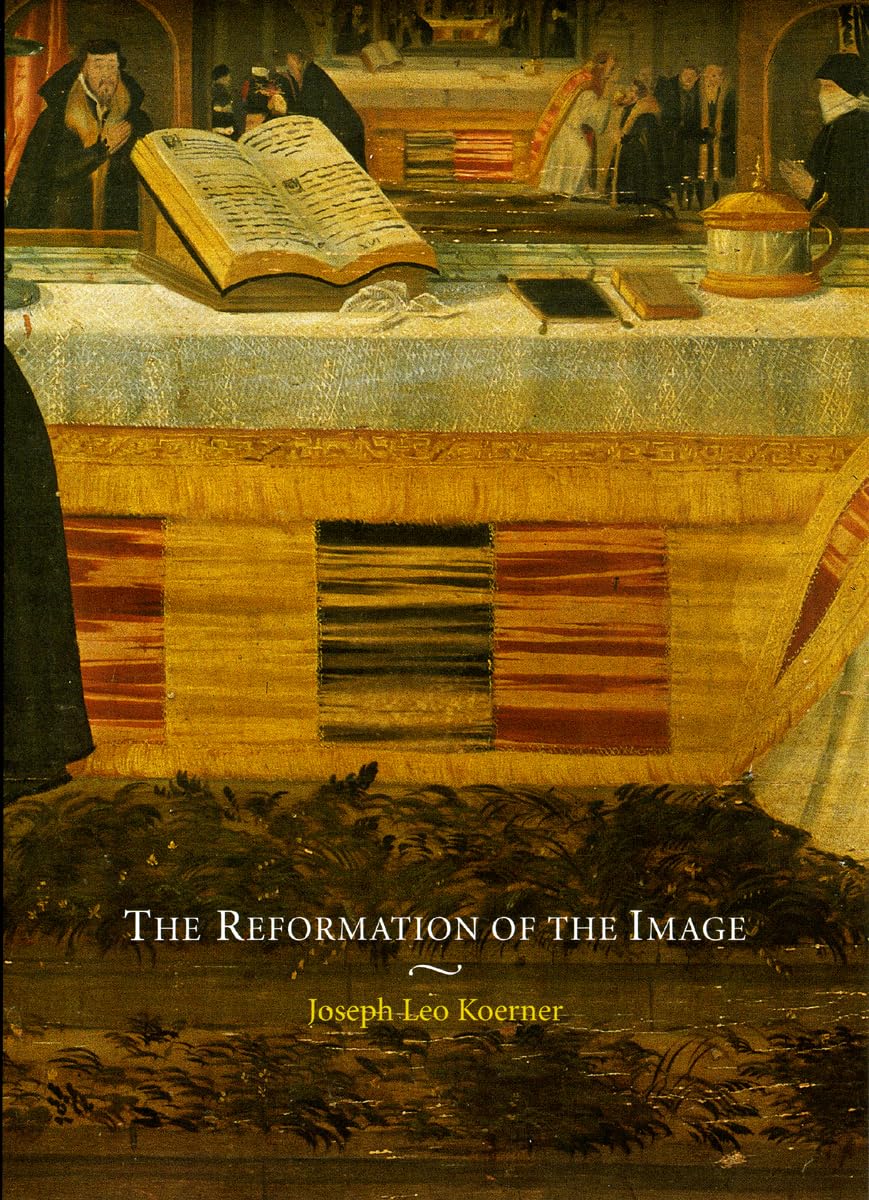
With his 95 Theses, Martin Luther advanced the radical notion that all Christians could enjoy a direct, personal relationship with Godshattering years of Catholic tradition and obviating the need for intermediaries like priests and saints between the individual believer and God. The text of the Bible, the Word of God itself, Luther argued, revealed the only true path to salvationnot priestly ritual and saintly iconography.But if wordsnot iconic imagesshowed the way to salvation, why didn't religious imagery during the Reformation disappear along with indulgences? The answer, according to Joseph Leo Koerner, lies in the paradoxical nature of Protestant religious imagery itself, which is at once both iconic and iconoclastic. Koerner masterfully demonstrates this point not only with a multitude of Lutheran images, many never before published, but also with a close reading of a single pivotal workLucas Cranach the Elder's altarpiece for the City Church in Wittenberg (Luther's parish). As Koerner shows, Cranach, breaking all the conventions of traditional Catholic iconography, created an entirely new aesthetic for the new Protestant ethos.In the Crucifixion scene of the altarpiece, for instance, Christ is alone and stripped of all his usual attendantsno Virgin Mary, no John the Baptist, no Mary Magdalenewith nothing separating him from Luther (preaching the Word) and his parishioners. And while the Holy Spirit is nowhere to be seenrepresentation of the divine being impossibleit is nonetheless dramatically present as the force animating Christ's drapery. According to Koerner, it is this "iconoclash" that animates the best Reformation art.Insightful and breathtakingly original, The Reformation of the Image compellingly shows how visual art became indispensable to a religious movement built on words.
⚠️ WARNING (California Proposition 65):
This product may contain chemicals known to the State of California to cause cancer, birth defects, or other reproductive harm.
For more information, please visit www.P65Warnings.ca.gov.
- Q: How many pages are in 'The Reformation of the Image'? A: This book contains four hundred sixty-four pages. It provides an in-depth analysis of Protestant religious imagery.
- Q: What are the dimensions of this book? A: The book measures seven point zero one inches in length, one point seventy-five inches in width, and nine point twenty-five inches in height.
- Q: What type of binding does this book have? A: This book is hardcover bound. Hardcover binding adds durability and a professional finish to the book.
- Q: Who is the author of 'The Reformation of the Image'? A: The author is Joseph Leo Koerner. He is known for his expertise in art history and visual culture.
- Q: What is the main theme of 'The Reformation of the Image'? A: The main theme explores the paradoxical nature of Protestant imagery during the Reformation. It discusses how visual art served a critical role despite the focus on scripture.
- Q: Is this book suitable for academic study? A: Yes, this book is suitable for academic study. It includes original research and a detailed examination of religious art.
- Q: How should I store this book to keep it in good condition? A: Store this book upright in a cool, dry place. Avoid direct sunlight and moisture to prevent damage.
- Q: Can this book be easily cleaned? A: Yes, the cover can be wiped clean with a damp cloth. Avoid using harsh chemicals that could damage the surface.
- Q: Is there any adult content in 'The Reformation of the Image'? A: No, there is no adult content in this book. It is focused on art and religious themes, making it suitable for a general audience.
- Q: What if I receive a damaged copy of the book? A: If you receive a damaged copy, you should contact customer support for a return or replacement. They typically offer assistance with such issues.
- Q: What kind of audience will benefit from this book? A: Academics, students, and art enthusiasts will benefit from this book. It provides valuable insights into the intersection of art and theology.
- Q: Is there a warranty on this book? A: Books typically do not come with a warranty. However, check with the retailer for their specific return policy.
- Q: Can I find illustrations in this book? A: Yes, the book includes numerous illustrations, many of which are previously unpublished. These images enhance the text's exploration of Protestant art.
- Q: Is this book available in other formats? A: Currently, this book is available in hardcover format. There may be other formats in the future, so check with the publisher.
- Q: How does this book compare to other art criticism works? A: This book offers a unique perspective on Protestant imagery, distinguishing it from other art criticism works that may focus on different themes or periods.